
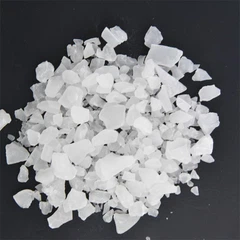
What Is Aluminum Sulfate Fertilizer


Aluminum sulfate fertilizers and nutritional plant products are essential for the growth and development of indoor and outdoor plants. They provide a source of essential nutrients that plants can readily absorb and use for their growth and development. Proper feedings are essential to grow healthy, beautiful plants. The nutrients available to an indoor plant are strictly limited by the amount of soil in the pot and what you fertilize it with. This makes fertilizing an essential part of caring for houseplants.


Advantages of Aluminum Sulfate Fertilizer


Reduce soil salt content
Interaction between aluminum sulfate fertilizer and irrigation can significantly reduce soil salt content. Although drip irrigation can evenly retain soil water and reduce soil salinity, the results of the present study showed that when the irrigation quota exceeded 270 m 3 hm −2 , the soil salt content showed an upward trend, and the desalting rate gradually decreased.


Produces a small amount of dilute sulfuric acid solution
Aluminum sulfate fertilizer is also used to adjust soil ph because it hydrolyzes to form aluminum hydroxide and produces a small amount of dilute sulfuric acid solution.


Chemical amendments
An aluminum sulfate fertilizer has been used as chemical amendments in reclamation of degraded and dispersive soils which are affected by higher sodium concentration.


Good solubility
Aluminum sulfate fertilizer has excellent solubility of 70.6 g/100ml. Aluminum sulfate fertilizer has very good solubility in water.


Why Choose Us

Our factory

Established in 1989, specializing in aluminum sulphate production. Our company specialize in producing aluminium sulphate and now also is a well-known aluminum sulphate production factory in China with an annual output of industrial aluminum sulphate 150 thousand tons and of iron free grade 80 thousand.

Our product

Aluminum Sulphate, Iron Free Aluminum Sulfate, Aluminum Sulphate For Water Treatment, Aluminum Sulfate Fertilizer, Electronic Grade Aluminum Sulfate.


Our certificate

ISO 9001:2015; ISO 14001:2015; ISO45001:2018.

Production Equipment

Raymondmill,Reaction Kettles,Crystallization devices.


Aluminium Sulphate Fertilizer


How Do You Add Aluminum Sulfate Fertilizer to Soil?

Aluminum sulfate fertilizer can be added to soil to improve its acidity and nutrient availability for plants. To do this, follow these steps. First, test the ph of your soil using a soil test kit or by sending a sample to a lab. This will help you determine how much aluminum sulfate fertilizer is needed to achieve the desired ph level.

Calculate the amount of aluminum sulfate fertilizer needed based on the current ph and the desired ph. Generally, you'll need about 1 lb (0.45 kg) of aluminum sulfate fertilizer per 10 square feet (1 square meter) of soil for every 0.5 ph point you want to lower. Wear protective gloves and goggles, and evenly spread the calculated amount of aluminum sulfate fertilizer over the soil surface. Be careful not to apply too much, as excessive aluminum can be toxic to plants. Water the soil thoroughly to help the aluminum sulfate fertilizer dissolve and penetrate the soil. This will help it react with the soil particles and lower the ph.

Monitor the soil ph regularly and adjust the aluminum sulfate fertilizer application as needed to maintain the desired ph level. Remember that adding aluminum sulfate fertilizer to soil should be done cautiously and in moderation, as excessive amounts can harm plants and the environment.


How to Use Aluminum Sulfate Fertilizer to Lower Soil pH


A soil pH of 7.0 is considered neutral. Soils with a pH above 7.0 are alkaline while those with a pH below 7.0 are acidic. Most plants, ornamental grasses and vegetables grow best in soils with a pH around 6.0 to 6.8, although blueberries and rhododendrons need a pH between 5.0 and 5.5. When soils are too alkaline, plants may not be able to absorb nutrients, such as iron and magnesium. Plants often develop iron chlorosis, or yellow leaves, which can lead to defoliation and death. aluminum sulfate fertilizer, a granular fertilizer available at garden centers, instantly acidifies the soil while adding nitrogen.


Remove small amounts of soil from several locations in your yard with a garden trowel. Mix the soil in a bucket, then spread it on clean paper to dry. When it is dry, return it to the bucket and mix it again. Scoop 1 cup of soil into a plastic bag or other sealable container and send it to a university extension office, a county extension office or a commercial lab for a soil test. Within a few weeks, you will receive an analysis that will detail your soil pH and offer recommendations for fertilizers.


Apply aluminum sulfate fertilizer to the soil, according to package directions. Consider the current pH of the soil and the pH level you are trying to achieve. For example, if the current pH of your soil is 7.5 and you want to reduce it to 6.5, apply 1.2 lbs. aluminum sulfate fertilizer for every 10 square feet of soil, advises Clemson University Cooperative Extension. Reduce the amount by one-third if you have sandy soils, and increase the rate by one-half if you have clay soils. Work the aluminum sulfate fertilizer into the soil with a shovel and then water the soil thoroughly until it is evenly moist to activate the product. The aluminum in the soil raises the acidity instantly, while the sulfur breaks down more slowly, depending on the soil temperature and the bacteria in the soil. Sulfur breaks down most quickly in moist, warm soils.


Effects of Different Proportions of Aluminum Sulfate Fertilizer Application on Land Improvement
 

Serious soil salinization, including excessive exchangeable sodium and high pH, significantly decreases land productivity. Reducing salinity and preventing alkalization in saline-sodic soils by comprehensive improvement practices are urgently required. The combinations of aluminum sulfate fertilizer with different types of fertilizer at different rates were applied on rice paddy with saline-sodic soils of the Songnen Plain in Northeast China to improve soil quality and its future utilization.


Twelve treatments with aluminum sulfate fertilizer at the rates of 0, 250, 500, and 750 kg hm−2 with inorganic, bio-organic, and organic-inorganic compound fertilizers were performed. Soil pH, electronic conductivity (EC), cation exchangeable capacity (CEC), exchangeable sodium percentage (ESP), total alkalinity, sodium adsorption ratio (SAR), soil organic carbon (SOC), available nutrients, soluble ions, rice growth, and yield in the saline-sodic soils were measured across all treatments. The relationships among the measured soil attributes were determined using one-way analysis of variance, correlation analysis, and systematic cluster analysis.


The pH, EC, ESP, total alkalinity, SAR, Na+, CO32−, and HCO3− in saline-sodic soil were significantly decreased, while CEC, SOC, available nitrogen (AN), available phosphorus (AP), available potassium (AK), K+, and SO42− were significantly increased due to the combined application of aluminum sulfate fertilizer with fertilizer compared with the fertilizer alone. The most effective treatment in reducing salinity and preventing alkalization was aluminum sulfate fertilizer at a rate of 500 kg hm−2 with organic-inorganic compound fertilizer. This treatment significantly decreased the soil pH, EC, ESP, total alkalinity, SAR, Na+, and HCO3− by 5.3%, 28.9%, 41.1%, 39.3%, 22.4%, 23.5%, and 35.9%, but increased CEC, SOC, AN, AP, AK, K+, SO42−, rice height, seed setting rate, 1000-grain weight, and yield by 77.5%, 115.5%, 106.3%, 47.1%, 43.3%, 200%, 40%, 6.2%, 43.9%, 20.3%, and 42.2%, respectively, compared with CK treatment in the leaching layer.


The combined application by aluminum sulfate fertilizer at a rate of 500 kg hm−2 with organic-inorganic compound fertilizer is an effective amendment of saline-sodic soils in Songnen Plain, Northeast China. These results are likely related to the leaching of Na+ from the soil leaching layer to the salt accumulation layer and desalination in the surface soil, and the increase of SOC improved the colloidal properties and increased fertilizer retention in soil. In addition, the environmental impact of aluminum sulfate fertilizer applied to soil needs to be further studied.


Aluminum Sulfate Fertilizer Uses In Gardens: Amendment Tips


Alum powder (Potassium aluminum sulfate fertilizer) is typically found in the spice department of supermarkets, as well as most garden centers. What exactly is it and how is it employed in gardens? Read on to learn more about alum uses in gardens. Alum is implemented in water treatment and other industrial applications, but food-grade alum, approved by the FDA, is safe for household use in small quantities, less than one ounce (28.5 g.). Although alum powder has a variety of purposes around the house, the most common is to add crispness to pickles. For other applications, you can also purchase liquid forms of aluminum sulfate fertilizer. Although alum isn’t a fertilizer, many people apply alum in the garden as a way to improve soil pH. Read on to see how it works.


Soils vary widely in their level of acidity or alkalinity. This measurement is known as soil pH. A pH level of 7.0 is neutral and soil with a pH below 7.0 is acidic, while soil with a pH above 7.0 is alkaline. Dry, arid climates often have alkaline soil, while climates with higher rainfall typically have acidic soil. Soil pH is important in the gardening world because unbalanced soil makes it more difficult for plants to absorb nutrients in the soil. Most plants do well with soil pH between 6.0 and 7.2, either slightly acidic or slightly alkaline. However, some plants, including hydrangeas, azaleas, grapes, strawberries, and blueberries, require more acidic soil. This is where alum comes in aluminum sulfate fertilizer can be used to lower soil pH, thus making the soil suitable for acid-loving plants. If your acidic plants aren’ t thriving, take a soil test before you attempt to adjust the pH level. Some Cooperative Extension offices perform soil tests, or you can purchase an inexpensive tester at a garden center. If you determine your soil is too alkaline, you may want to adjust it by adding aluminum sulfate fertilizer. Clemson University Extension provides in-depth information on adjusting soil pH.


Wear gardening gloves when working with alum in the garden, as the chemicals may cause irritation when it comes in contact with the skin. If you are using the powdered form, wear a dust mask or respirator to protect your throat and lungs. Alum that comes in contact with the skin should be washed off immediately.


Handling and Storage of Aluminum Sulfate Fertilizer


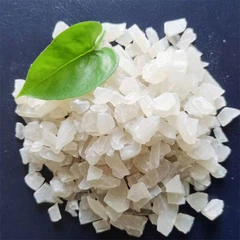
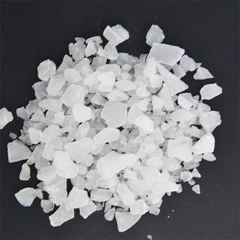
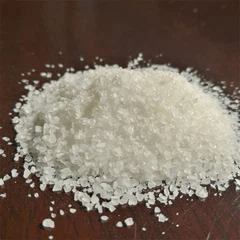
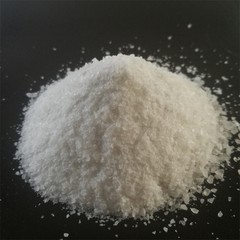
Aluminum sulfate fertilizer is an odorless, white, or off-white crystalline solid or powder. The compound is made by adding aluminum hydroxide to sulfuric acid. It’ s hygroscopic, which means it has the ability to absorb and hold water molecules from the surrounding atmosphere. It’ s also water soluble and not volatile or flammable. Aluminum sulfate fertilizer is extremely acidic. When combined in solution with water its ph can be less than two, which can make it capable of burning human skin and corroding metal.


Aluminum sulfate fertilizer is harmful if swallowed or inhaled. Inhalation causes coughing and potentially shortness of breath. Upon contact with skin or eyes, aluminum sulfate fertilizer causes irritation, redness, itching, and pain. Eating or swallowing aluminum sulfate fertilizer produces severe irritation to the intestines and stomach. An affected person may experience vomiting, nausea, and diarrhea. In addition, adding water to aluminum sulfate fertilizer can cause sulfuric acid to form. This compound can cause severe burns if it touches exposed skin. If aluminum sulfate fertilizer comes in contact with eyes or skin, flush or wash the affected area for 15 minutes with water. Upon inhaling the substance, move away from the toxic area and slowly breathe fresh air. For ingestion of aluminum sulfate fertilizer, drink a glass of milk and then force vomiting. Do not use bicarbonate; it’ s an explosive combination, literally. Finally, if the aluminum sulfate fertilizer comes into contact with skin, remove contaminated clothing and wash the skin.


Store aluminum in a cool, dry area in a sealed container, and don’ t mix with other substances. Take care that the aluminum sulfate fertilizer does not get wet because it can absorb water, which causes the surfaces it touches to become slippery. Aluminum sulfate fertilizer can also leave a light residue in containers where it was stored. Sweep or shovel spills of the compound and place in a covered container. Wash down residue with large amounts of water and neutralize with soda ash or lime, if necessary. Aluminum sulfate fertilizer is used for a wide variety of purposes in both industrial and home settings. However, because it’ s a very acidic compound, there are some basic safety precautions you must take when using it. Make sure you know what they are so you stay safe!


The Importance of Applying Aluminum Sulfate Fertilizer to Soil Improvement


Proper soil management helps the soil establish and maintain the balance of a diverse microbiology. The right methods protect the soil from erosion, increase the productivity and amount of humus (organic matter), promote biodiversity, and protect Earth’s forests. This takes place by removing, bonding, and storing atmospheric carbon dioxide (CO2) as organic carbon.


Most of the soils lose a large amount of humus and microorganisms over time. Therefore, in most cases, the first step of proper soil management is an initial treatment to make soils healthier. For this purpose, it is worthwhile to apply the two principles of compost and biochar. Combining biochar or stone powder with compost is a very effective way to increase soil aluminum sulfate fertilizer more quickly. This also minimizes the escape of nutrients like carbon and nitrogen into the atmosphere.


Soil management can both improve and harm the soil if the correct measure is not taken. After the soil has been enhanced with compost and biochar, and a healthy habitat of microorganisms has been established, the key is to maintain this balance, not disturb it, and most importantly, not remove it. For example, regular and deep plowing destroys habitats and the work of microorganisms. Best practices and management practices that are ancient components of agricultural crops around the world are to be considered.


Our factory


Our company specialize in producing aluminium sulphate and now also is a well-known aluminum sulphate production factory in China with an annual output of industrial aluminum sulphate 150 thousand tons and of iron free grade 80 thousand. Established in 1989, specializing in aluminum sulphate production


productcate-1-1


Our certificate


productcate-1-1


FAQ


Q: What is aluminum sulfate fertilizer, and how is it used in agriculture?

A: Aluminum sulfate fertilizer is a soil amendment that provides essential nutrients to plants and helps adjust soil pH levels for optimal growth.

Q: How does aluminum sulfate fertilizer help in soil pH adjustment?

A: Aluminum sulfate fertilizer can lower soil pH levels in alkaline soils, making it more acidic and improving nutrient availability to plants.

Q: What types of plants benefit from aluminum sulfate fertilizer?

A: Acid-loving plants such as azaleas, rhododendrons, blueberries, and camellias benefit from aluminum sulfate fertilizer due to their preference for acidic soil conditions.

Q: Can aluminum sulfate fertilizer be used in conjunction with other fertilizers?

A: Yes, aluminum sulfate fertilizer can be used in combination with other fertilizers to provide a balanced nutrient profile and address specific plant requirements.

Q: What is the solubility of aluminum sulfate fertilizer in water?

A: Aluminum sulfate fertilizer is highly soluble in water, allowing for efficient nutrient uptake by plants when applied to the soil.

Q: Are there any specific storage requirements for aluminum sulfate fertilizer?

A: Aluminum sulfate fertilizer should be stored in a cool, dry place away from moisture and direct sunlight to maintain its effectiveness and prevent caking.

Q: Can aluminum sulfate fertilizer be used in container gardening?

A: Yes, aluminum sulfate fertilizer can be used in container gardening to adjust soil pH and provide essential nutrients to potted plants.

Q: What are the signs of aluminum sulfate deficiency in plants?

A: Plants deficient in aluminum sulfate may exhibit yellowing leaves, stunted growth, and poor flowering or fruiting due to nutrient imbalances in the soil.

Q: How often should aluminum sulfate fertilizer be applied to plants?

A: The frequency of aluminum sulfate fertilizer application depends on soil pH levels, plant requirements, and nutrient deficiencies, and should be determined based on soil testing.

Q: Can aluminum sulfate fertilizer be used in lawn care?

A: Yes, aluminum sulfate fertilizer can be used in lawn care to promote healthy grass growth and improve soil conditions, especially in areas with alkaline soils.

Q: What are the benefits of using aluminum sulfate fertilizer in crop production?

A: Aluminum sulfate fertilizer can enhance crop yield, improve nutrient uptake, and promote overall plant health by creating optimal soil conditions for plant growth.

Q: Is aluminum sulfate fertilizer suitable for indoor plants?

A: Yes, aluminum sulfate fertilizer can be used for indoor plants that require acidic soil conditions, such as certain tropical plants and ferns, to thrive indoors.

Q: How does aluminum sulfate fertilizer compare to other soil amendments like lime?

A: Aluminum sulfate fertilizer lowers soil pH levels, while lime raises pH levels, making them suitable for different soil types and plant requirements based on soil testing results.

Q: Can aluminum sulfate fertilizer be used in hydroponic systems?

A: Aluminum sulfate fertilizer is not commonly used in hydroponic systems due to its potential for clogging irrigation systems and affecting nutrient balance in soilless growing environments.

Q: Are there any safety precautions to consider when handling aluminum sulfate fertilizer?

A: When handling aluminum sulfate fertilizer, it is important to wear protective gear, avoid inhalation of dust, and wash hands thoroughly after application to prevent skin irritation.

Q: Is aluminum sulfate fertilizer suitable for all soil types?

A: Aluminum sulfate fertilizer is best suited for alkaline soils that require pH adjustment to create more favorable conditions for plant growth.

Q: How should aluminum sulfate fertilizer be applied to soil?

A: Aluminum sulfate fertilizer can be applied to soil either by broadcasting it over the surface or incorporating it into the soil before planting.

Q: Can aluminum sulfate fertilizer be used in organic farming?

A: Aluminum sulfate fertilizer is not typically used in organic farming due to its synthetic nature, but some organic-approved alternatives are available for soil pH adjustment.

Q: Are there any environmental considerations when using aluminum sulfate fertilizer?

A: Proper application and dosage of aluminum sulfate fertilizer are important to prevent leaching of aluminum into water sources and minimize environmental impact.

Q: How long does it take for aluminum sulfate fertilizer to show effects on plant growth?

A: The effects of aluminum sulfate fertilizer on plant growth can be observed within a few weeks to months, depending on soil conditions and plant response.

As one of the most professional aluminum sulfate fertilizer manufacturers and suppliers in China, we're featured by quality products and good service. Please rest assured to buy aluminum sulfate fertilizer made in China here from our factory.

aluminum sulphate for water treatment issue, aluminum sulphate for water treatment progression, wholesale aluminum sulphate

Send Inquiry