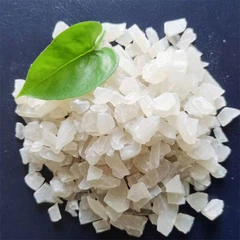
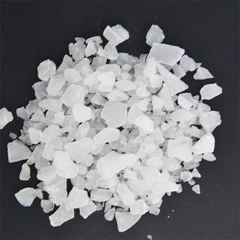
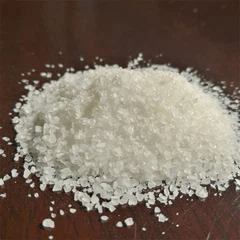
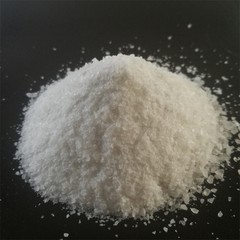
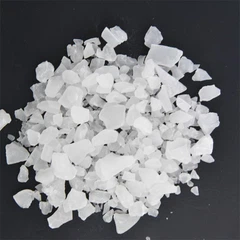
What Is Electronic Grade Aluminum Sulfate


With the continuous expansion of the electric vehicle market, the development of the lithium battery industry is also receiving increasing attention from people. As a high-performance and high safety battery, lithium batteries have been widely used in fields such as electric vehicles and electronic devices. As an important chemical raw material, the application of electronic grade aluminum sulfate in the lithium battery industry has also received much attention.


Advantages of Electronic Grade Aluminum Sulfate
 

High purity

Electronic grade aluminum sulfate is manufactured to have extremely high purity levels, typically exceeding 99.99%. This purity is crucial for electronic applications where even trace impurities can impact performance.

Reliability

Due to its high purity and quality control measures, electronic grade aluminum sulfate offers reliability in performance, contributing to the overall reliability of electronic devices and components.


Compatibility

Electronic grade aluminum sulfate is designed to meet the specific requirements of the electronics industry, making it compatible with various manufacturing processes and applications in semiconductor fabrication and electronic component production.

Quality control

Manufacturers of electronic grade aluminum sulfate adhere to strict quality control standards, ensuring product consistency, reliability, and compliance with industry regulations.


Why Choose Us

Our factory

Established in 1989, specializing in aluminum sulphate production. Our company specialize in producing aluminium sulphate and now also is a well-known aluminum sulphate production factory in China with an annual output of industrial aluminum sulphate 150 thousand tons and of iron free grade 80 thousand.

Our product

Aluminum Sulphate, Iron Free Aluminum Sulfate, Aluminum Sulphate For Water Treatment, Aluminum Sulfate Fertilizer, Electronic Grade Aluminum Sulfate.


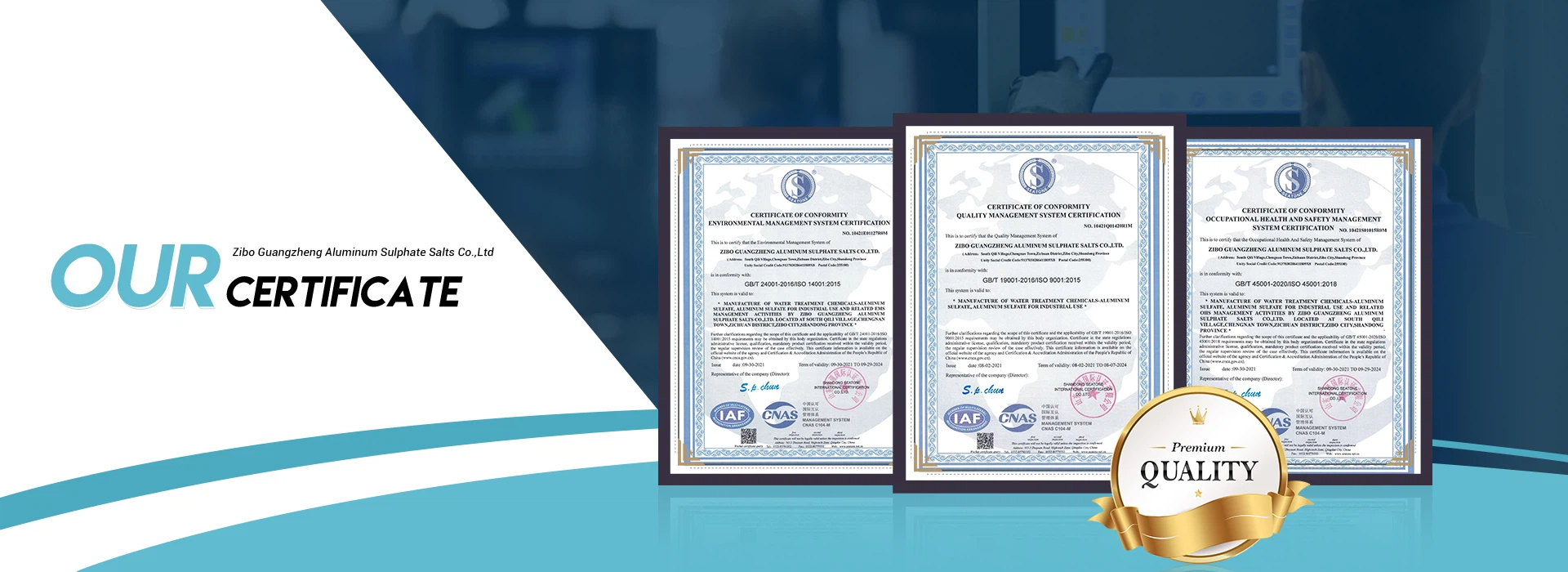
Our certificate

ISO 9001:2015; ISO 14001:2015; ISO45001:2018.

Production Equipment

Raymondmill,Reaction Kettles,Crystallization devices.


The Application of Electronic Grade Aluminum Sulfate in the Lithium Battery Industry

Positive electrode material

Aluminum sulphate is an important additive in the positive electrode material of lithium batteries. It can improve the electronic conductivity of the positive electrode material, thereby enhancing the electrochemical performance of the battery. In addition, electronic grade aluminum sulfate can also inhibit the hydrolysis reaction on the surface of the positive electrode material and improve the cycle life of the battery.

Electrolytes

Electronic grade aluminum sulfate also has important applications in the electrolyte of lithium batteries. It can improve the ion conductivity of the electrolyte, thereby enhancing the charging and discharging performance of the battery. In addition, electronic grade aluminum sulfate can enhance the stability of electrolytes, thereby improving the safety of batteries.

Diaphragm

Electronic grade aluminum sulfate can also be used as an additive in the separator of lithium batteries. It can improve the oxidation resistance of the separator, thereby increasing the cycle life of the battery. In addition, electronic grade aluminum sulfate can also enhance the mechanical strength of the separator, thereby improving the safety of the battery.


The Role of Electronic Grade Aluminum Sulfate in the Lithium Battery Industry


01
 

Improve battery performance

Electronic grade aluminum sulfate can improve the electrochemical performance, charge and discharge performance, and cycle life of lithium batteries. This is mainly because electronic grade aluminum sulfate can improve the performance of positive electrode materials and electrolytes, thereby enhancing the overall performance of the battery.

 
02
 

Enhance battery safety

Electronic grade aluminum sulfate can enhance the safety of lithium batteries. This is mainly because electronic grade aluminum sulfate can inhibit the hydrolysis reaction on the surface of the positive electrode material, avoid the hydrogen evolution reaction on the surface of the positive electrode material during overcharging, and thus improve the safety of the battery.

 
03
 

Reduce battery costs

Electronic grade aluminum sulfate can reduce the cost of lithium batteries. Although electronic grade aluminum sulfate is an additive, its consumption in the production process is not significant, which can effectively reduce the cost of batteries. In addition, electronic grade aluminum sulfate can also improve the performance and safety of batteries, thereby further reducing the cost of batteries.

Battery Grade Aluminium Sulfate


Introduction to the Properties of Electronic Grade Aluminum Sulfate


ITEM

SPECIFICATION

RESULT

Aluminium sulphate

Granules

Conformed

Average Size Of

Flakes, max

1-3mm

Conformed

Aluminum oxide

Al2O3 %, min

16.00

16.20

Iron (Fe) content %, max

0.50

0.0006

Water insoluble

Matter %, max

0.10

0.01

PH value 1% aqueous solution, min

3.0

3.10

As %, max

0.0005

0.00003

Heavy metals as Pb %, max

0.002

NONE DETECTED

Color

Gray& buff

Conformed

Package: 25kg-1000kg PP bag

Shelf life:within 2 year


Discharge Matters of Electronic Grade Aluminum Sulfate


Baterai lead-acid telah menjadi salah satu sumber energi yang paling umum digunakan pada kendaraan. Baterai lead-acid diletakkan dekat mesin pada kendaraan, sehingga akan terpengaruh oleh kenaikkan suhu selama penggunaan. Baterai ini menggunakan elektrolit berupa larutan asam sulfat yang bersifat korosif, sehingga berbahaya bila terjadi kontak dengan lingkungan. Oleh karena itu, dilakukan penelitian terkait optimasi tawas (Al 2 (SO 4 ) 3 ) sebagai elektrolit alternatif baterai lead-acid. Penggunaan tawas sebagai elektrolit akan mengubah karakteristik baterai seperti tegangan, kapasitas, dan berat jenis. Penelitian ini terdiri dari pembuatan larutan, uji TDS, uji pH, uji charge-discharge dan uji berat jenis. Terdapat 6 variasi larutan yaitu larutan tawas (35%; 50% dan 100%) dan larutan tawas 50% dengan penambahan H 2 SO 4 (5%, 10%, dan 15%). Molaritas optimal larutan tawas yang dapat digunakan adalah 2 M. Konduktivitas listrik larutan meningkat seiring peningkatan kadar tawas dan asam sulfat (H 2 SO 4 ), Sementara pH larutan menurun. Kapasitas terbesar terjadi pada baterai dengan kadar tawas 50% yaitu 0,05 Ah dan dengan penambahan asam sulfat (H 2 SO 4 )15% yaitu 0,52 Ah. Larutan tawas mengalami penurunan berat jenis sebesar 0,0013 setiap kenaikan 1 derajat celcius, sedangkan larutan tawas dengan penambahan asam sulfat (H 2 SO 4 ) mengalami penurunan sebesar 0,0012.


Electronic grade aluminum sulfate is inexpensive, non-toxic and non-hazardous and has the potential to become an ideal electrolyte additive for lead-acid batteries. In depth on the effect of electrolyte additives in lead-acid batteries under high rate charging and discharging conditions. This research work proves that electronic grade aluminum sulfate in the electrolyte can affect the rapid accumulation of lead sulfate formation and growth in high rate charging and discharging process and then significantly inhibit sulfation, which reduces the internal resistance of the electrode plate and substantially improves the electrochemical performance of the battery. The high-rate partial charge state (1C charging and discharging rate) cycle (HRPSoC) life (8003 times) of the battery with electronic grade aluminum sulfate additive is 13 times that of the blank battery. The battery test results show that the battery has excellent performance in charge acceptance test and constant voltage and constant current polarization test. We also found electronic grade aluminum sulfate could repair the spent batteries effectively.


Electronic Grade Aluminum Sulfate Lead Acid Battery Conversion


You will need electronic grade aluminum sulfate, a hydrometer, distilled water and a two buckets. Also you will need a face mask. Long sleeves, safety goggles and water on hand. This job could cause death or serious harm from explosions and acid spills. You will also need a battery charger, applicator bulb and common sense. If you have a sla battery you will need to drill into the plastic. Use a pneumatic drill a regular drill could cause sparking or explosions.


Fully flatten the battery to sulfate the plates. This will produce a super saturated acid. Fully charge the battery. Check with hydrometer that the electrolyte is 12.5 to 13.00. This indicates 80 to 100% charge. You will need room temperature distilled water. Add aluminium sulfate slowly to water while stiring. Check with hydrometer. It takes a long time but you should be able to get a reading of 12.5 or more specific gravity easily. If you heat the water or add too much the electronic grade electronic grade aluminum sulfate will precipitate when the electrolyte cools. Pour out acid from the battery into a large bucket. Be carefull not to spill any on yourself. Add aluminium sulfate solution to each cell. Use a bulb designed for this purpose. About 5 bucks from auto store. Feel free to use any ratio. I have found 20% sulfuric acid to aluminium sulfate works the best. 100% tends to precipitate and provide low cca. You will need to charge the battery to 16.8v. This electrolyte solution doesnt off gas as much as battery acid. Gassing starts at 14.7v and gets rapid at 15v plus.


I use a turnigy charge set to 7 cell mode. It will cut out at 17.1v. But the battery only reaches 16.8v so you need to turn it off manually. I have mixed results. All my batteries were dead or used batteries and performed less than originally specified. For example 710cca produces 540 hca. This battery is 90ah and 160 rc. I got 60 mins rc. Only notable improvement is less heat produced and less off gassing. You can't buy sulfuric acid in australia now but you can still buy aluminium sulfate which works ok. Pic shows resting voltage and cca rating of two batteries of the same make and capacity. One is pure aluminium sulfate. The other has 150ml of battery acid added per cell (100ml of electronic grade electronic grade aluminum sulfate solution at 12.75 sg in each cell). The latter has higher cca and lower resting voltage. The former has higher resting voltage and lower cca. Batteries converted with 20% to 60% sulfuric acid added seem to produce about the same cca and about 80% the ah capacity. Not magical results but note worthy. A resting converted battery that is flat will still read 12v. But when loaded will drop instantly. Specific gravity only changed by 50 to 80 points between fully charged and flat. Also sulfation doesnt appear on plates as dramatically as with battery acid.


Electronic Grade Aluminum Sulfate Safe Storage and Handling
 

General safety procedures should be followed when handling and storing electronic grade aluminum sulfate. All chemical products must be stored and labelled in accordance with the instructions on the safety sheet. Chemicals must normally be stored in their original packaging. If you need smaller amounts of a chemical, the new packaging must be suitable for the substance. Chemicals must not be stored together with inflammable material and gas cylinders. Chemical containers must be stored with closed lids when they are not being used. Equipment for handling and cleaning up spillage must be in readiness and suitable for the stored chemicals. It is suitable to have equipment placed outside the chemical store. It is important for the fire classification of storage lockers and rooms to match the types and amounts of chemicals stored therein. Combustible material must be stored in fireproof cupboards or in separate spaces. Use personal protection equipment (e.G., gloves, face mask) where necessary. Surplus chemicals and hazardous waste must be dealt with in accordance with the information in the safety data sheet.


Workplaces must be cleaned regularly. There must not be chemical spills on the floor. Skin/eye contact: For skin, immediately remove contaminated clothes under safety shower. Flush skin with running water for at least 15 minutes. Launder clothes before reuse. For eyes, flush carefully in eye wash for several minutes; remove contact lenses if present and easy to do; cautiously flush person’ s eyes with running water for at least 15 minutes. Seek medical attention if irritation persists. Ingestion: Rinse mouth. Immediately dilute swallowed material by orally administering large amounts of water or milk. Do not induce vomiting. Never administer liquids orally to an unconscious person. Call physician or poison control center if person feels unwell or more than a few drops are ingested. Inhalation: Seek medical assistance if irritation is noted, if person is having difficulty breathing, or the possibility exists of fluid in the lungs. Remove victim from the contaminated atmosphere. If breathing has stopped, give artificial respiration. Weak breathing may be supplemented with a bag-mask or manually operated air supply that delivers at least 1 liter/second.


Smoking and/or eating is not recommended in storage areas. Stainless steel or fiberglass tanks are recommended. Keep product away from heat sources and direct sunlight. Do not reuse storage containers unless properly reconditioned. Isolate appropriately from chemicals where low ph could create a hazardous byproduct; for example a combination with hypochlorite could lead to the evolution of chlorine gas. For cleanup of the dry form of alum, sweep or shovel spills of the compound and place in a covered container. After that, wash down residue with large amounts of water and neutralize with soda ash or lime, if necessary. For the liquid form, wear ppe appropriate for handling the material. No smoking or eating in spill areas. Absorb small spills with sand or vermiculite. Place contaminated material in appropriate container for disposal. If spilled on the ground, the affected area should be removed to a depth of 1 to 2 inches and placed in an appropriate container for disposal. Large spills should be handled according to your organization’ s predetermined plan. Do not flush material to public sewer systems or any waterways. Wear appropriate protective clothing and equipment during cleanup activities. Ensure adequate decontamination of tools and equipment following cleanup. Adequate ventilation is required when neutralizing spills / leaks.


Our factory


Our company specialize in producing aluminium sulphate and now also is a well-known aluminum sulphate production factory in China with an annual output of industrial aluminum sulphate 150 thousand tons and of iron free grade 80 thousand. Established in 1989, specializing in aluminum sulphate production


productcate-1-1


Our certificate


productcate-1-1


FAQ


Q: What is electronic grade aluminum sulfate, and how is it different from other grades?

A: Electronic grade aluminum sulfate is a high-purity form of the compound specifically designed for use in electronic applications, where stringent purity requirements are essential.

Q: What are the key characteristics of electronic grade aluminum sulfate?

A: Electronic grade aluminum sulfate is characterized by its high purity levels, low impurities, precise particle size distribution, and strict quality control measures to meet industry standards.

Q: How is electronic grade aluminum sulfate produced?

A: Electronic grade aluminum sulfate is typically produced through a specialized manufacturing process that involves purification steps to remove impurities and ensure high purity levels.

Q: What are the applications of electronic grade aluminum sulfate in the electronics industry?

A: Electronic grade aluminum sulfate is used in semiconductor manufacturing, electronic component production, and other high-tech applications where purity and reliability are critical.

Q: How does electronic grade aluminum sulfate contribute to semiconductor fabrication?

A: Electronic grade aluminum sulfate is used in semiconductor fabrication processes as a key material for etching, cleaning, and surface treatment due to its high purity and controlled properties.

Q: What quality control measures are in place for electronic grade aluminum sulfate production?

A: Manufacturers of electronic grade aluminum sulfate adhere to strict quality control standards, including rigorous testing, certification processes, and traceability of raw materials to ensure product consistency.

Q: Can electronic grade aluminum sulfate be customized for specific applications?

A: Yes, electronic grade aluminum sulfate can be customized based on customer requirements for purity levels, particle size distribution, and other specifications to meet the needs of specific electronic applications.

Q: What are the purity levels typically achieved in electronic grade aluminum sulfate?

A: Electronic grade aluminum sulfate can achieve purity levels of 99.99% or higher, ensuring minimal impurities and contaminants that could impact electronic device performance.

Q: How does electronic grade aluminum sulfate support the production of high-quality electronic components?

A: By providing a clean and reliable material for critical processes in semiconductor manufacturing, electronic grade aluminum sulfate helps ensure the quality and performance of electronic components.

Q: Are there specific handling and storage requirements for electronic grade aluminum sulfate?

A: Electronic grade aluminum sulfate should be handled with care to prevent contamination, stored in a controlled environment to maintain purity, and protected from moisture and other contaminants.

Q: How does electronic grade aluminum sulfate contribute to the reliability of electronic devices?

A: By providing a clean and consistent material for critical manufacturing processes, electronic grade aluminum sulfate helps enhance the reliability and longevity of electronic devices by minimizing defects and contamination.

Q: What are the considerations for transporting electronic grade aluminum sulfate?

A: Transportation of electronic grade aluminum sulfate should be done in compliance with regulations, using appropriate packaging, labeling, and handling procedures to prevent contamination and ensure product integrity.

Q: Can electronic grade aluminum sulfate be used in the aerospace industry?

A: Yes, electronic grade aluminum sulfate finds applications in the aerospace industry for manufacturing electronic components, sensors, and communication systems that require high purity and reliability.

Q: How does electronic grade aluminum sulfate support the production of advanced sensors and detectors?

A: Electronic grade aluminum sulfate plays a crucial role in the production of sensors and detectors used in various industries, providing a pure and consistent material for sensitive electronic components.

Q: What are the environmental considerations associated with electronic grade aluminum sulfate production?

A: Manufacturers of electronic grade aluminum sulfate implement environmentally friendly practices, such as waste management, recycling initiatives, and compliance with regulations to minimize environmental impact.

Q: Can electronic grade aluminum sulfate be used in research and development applications?

A: Yes, electronic grade aluminum sulfate is suitable for research and development purposes in the electronics industry, providing a reliable and consistent material for experimentation and testing.

Q: How does electronic grade aluminum sulfate compare to standard industrial grades in terms of purity?

A: Electronic grade aluminum sulfate surpasses standard industrial grades in purity levels, ensuring minimal impurities and contaminants that could affect electronic device performance and reliability.

Q: What are the packaging options available for electronic grade aluminum sulfate?

A: Electronic grade aluminum sulfate is typically packaged in sealed containers, bags, or drums to protect the material from contamination and maintain its purity during storage and transportation.

Q: Can electronic grade aluminum sulfate be used in cleanroom environments?

A: Yes, electronic grade aluminum sulfate is suitable for use in cleanroom environments where strict cleanliness standards are required to prevent contamination of sensitive electronic components.

Q: Can electronic grade aluminum sulfate be used in the production of microelectronics?

A: Yes, electronic grade aluminum sulfate is essential for the production of microelectronics, where precision, purity, and reliability are paramount for achieving high-performance electronic devices.


As one of the most professional electronic grade aluminum sulfate manufacturers and suppliers in China, we're featured by quality products and good service. Please rest assured to buy electronic grade aluminum sulfate made in China here from our factory.

aluminum sulfate for electronic productivity devices, aluminum sulfate for electronic optimization devices, aluminum sulfate for electronic creativity devices

Send Inquiry