What Is Aluminum Sulphate For Water Treatment


As a coagulant, aluminum sulfate reacts with water to form aluminum hydroxide, a precipitate that helps in trapping the suspended particles. This reaction is pH-dependent, and therefore, adjusting the pH of the water is crucial for maximizing the efficiency of alum. Typically, a pH range of 5.5 to 7.5 is considered optimal for coagulation. When added to water, alum dissociates to release aluminum ions (Al3+). These ions react with water to form aluminum hydroxide, which, as it forms, enmeshes suspended particles. This process is known as coagulation. During flocculation, these coagulated particles are bonded together into larger aggregates or flocs, which can be easily removed by sedimentation or filtration. Aluminum sulfate is used in various water treatment applications. It’s particularly effective in treating cloudy water sources, such as those in ponds or wastewater facilities. Its role in reducing the amount of harmful contaminants, like bacteria and organic compounds, is crucial for maintaining water quality.


Advantages of Aluminum Sulphate For Water Treatment


Excellent coagulation performance
Excellent coagulation performance, with dense flocs and fast settling rate.


Effective water purification
Effective water purification, producing high-quality water without harmful substances such as aluminum, chlorine, and heavy metal ions. It does not transfer iron ions into the water phase and is non-toxic, harmless, and safe. Significant effects in turbidity removal, decolorization, oil removal, dewatering, disinfection, deodorization, algae removal, and the removal of cod, bod, and heavy metal ions from water.


Wide ph range adaptability
Wide ph range adaptability of 4-11, with the optimal ph range being 6-9. The ph and total alkalinity of the treated water have minimal changes, resulting in low corrosion to the treatment equipment.


Particularly effective in purifying highly turbid raw water
Remarkable purification effects on slightly polluted water, water containing algae, and low-temperature and low-turbidity raw water. It is particularly effective in purifying highly turbid raw water.


Why Choose Us

Our factory

Established in 1989, specializing in aluminum sulphate production. Our company specialize in producing aluminium sulphate and now also is a well-known aluminum sulphate production factory in China with an annual output of industrial aluminum sulphate 150 thousand tons and of iron free grade 80 thousand.

Our product

Aluminum Sulphate, Iron Free Aluminum Sulfate, Aluminum Sulphate For Water Treatment, Aluminum Sulfate Fertilizer, Electronic Grade Aluminum Sulfate.


Our certificate

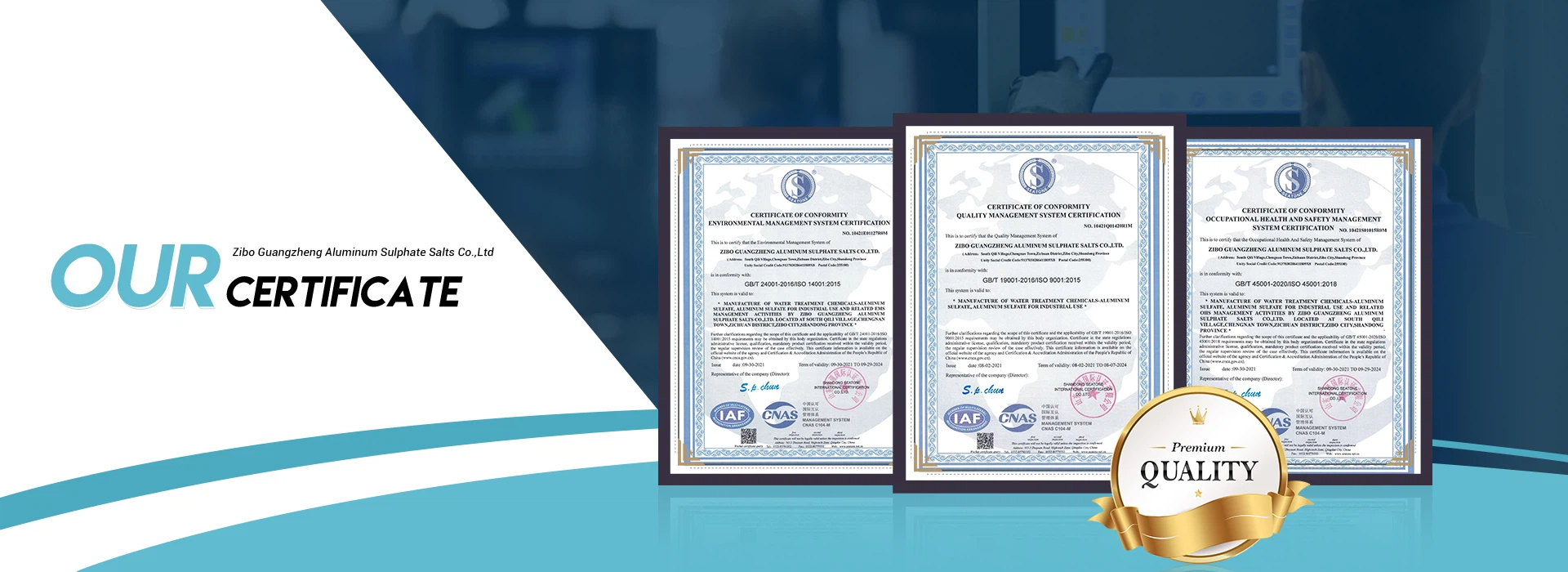
ISO 9001:2015; ISO 14001:2015; ISO45001:2018.

Production Equipment

Raymondmill,Reaction Kettles,Crystallization devices.


Production Process of Aluminum Sulphate For Water Treatment
 

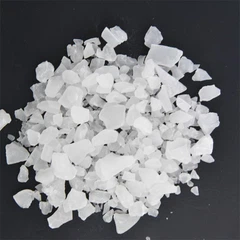
Aluminum sulphate for water treatment (al2(so4)3), commonly called alum, is produced as white crystals which are non-combustible and soluble in water. This dry hydrate (al2(so4)3.14h2o) is 17% al2o3 and is also sold as a 47% w/w aluminum sulphate for water treatment solution which is 8% al2o3. It is also sold in solid form as kibbled, ground or dust. Aluminum sulphate for water treatment, al2(so4)3, is widely used by industry . Its most common applications are in the pulp and paper industry and in the purification of water.Aluminum sulphate for water treatment has been used, when the egyptians used a mineral alum as a mordant in dyeing. It has long been used in paper sizing to improve durability and ink receptivity and in water treatment to clarify water. Other uses for alum include wastewater treatment, as a waterproofing agent and accelerator in concrete, as a clarifier for fats and oils and as a foaming agent in fire foams.


The first step involves mixing the ingredients in a reactor, and the second is the process of crushing the material to make the various grades of solid alum that are sold. Aluminium trihydrate is purified from bauxite. Bauxite ore is dissolved in strong caustic soda to form sodium aluminate. The aluminium trihydrate is then precipitated by neutralisation (usually with carbon dioxide) or by autoprecipitation. The other raw material, sulfuric acid, is manufactured for superphosphate production. Acid arrives by road tanker and is pumped into storage tanks. Raw materials aluminium trihydrate is purified from bauxite. Bauxite ore is dissolved in strong caustic soda to form sodium aluminate. The aluminium trihydrate is then precipitated by neutralisation (usually with carbon dioxide) or by autoprecipitation (the bayer process). The other raw material, sulfuric acid, is manufactured for superphosphate production at farmers fertiliser ltd. Acid arrives by road tanker and is pumped into storage tanks.


Reacting the raw ingredients. The aluminium trihydrate is transported and stored in one tonne bags. Each bag is carried by hoist to the feed hopper, where it is opened and conveyed to the reaction tank. The reaction water, trihydrate and sulfuric acid batch is stirred for a period of time with water vapour exiting through the stack. Making the final product after the reaction period either liquid or solid alum is made. If liquid, the concentrated batch is run into the dilution tank filled with the dilution water where it cools over time. The liquid alum is then filtered and pumped to storage. There are overhead load out facilities at morrinsville where a number of liquid chemicals are available in dispatch tanks for road tankers. If solid is made, the concentrated alum is run into the casting pans where it sets, aided by fan cooling. The pans are forklifted to storage racks and from there they are taken to the crushing plant and dropped into a hopper. The pieces are broken further by a large kibbler followed by a small kibbler and then screened. Oversize particles go to a bagging hopper and are sold as kibbled product. The screened alum is rotary crushed and further screened to either return to the rotary crusher or be bagged as ground product. Dust is continually collected through an extraction system and is sold as product. The crushing plant is flexible and the ratio of kibbled to ground aluminum sulphate for water treatment is variable.


Aluminum Sulfate for Water Treatment

A Detailed Introduction to the Work of Aluminum Sulphate For Water Treatment


One of the first of the several steps that use to prepare water for distribution is getting it as clear and as particulate-free as possible. To accomplish this, the water is treated with aluminum sulphate for water treatment commonly called alum, which serves as a flocculent. Raw water often holds tiny suspended particles that are very difficult for a filter to catch. Alum causes them to clump together so that they can settle out of the water or be easily trapped by a filter.


Usually a mixture of water with 48 percent filter alum is injected into the raw incoming water at a rate of 18 to 24 parts per million. The alum promotes coagulation of fine particles which helps resolve problems of color as well a turbidity. If the process is given enough time to work and is applied properly, it not only corrects problems in the water but actually results in removing most of the aluminum used in the process. Although concern over the safety of treating water with aluminum has often been voiced, there is no evidence that aluminum in water, whether it comes from the aluminum sulphate for water treatment used in treatment or from other sources, is a health issue. Most aluminum intake is from aluminum that occurs naturally in foods, aluminum used in food packaging, and from products like deodorants and vaccines.


There are a variety of primary coagulants which can be used in a water treatment plant. One of the earliest, and still the most extensively used, is aluminum sulphate for water treatment, also known as alum. Alum can be bought in liquid form with a concentration of 8.3%, or in dry form with a concentration of 17%. When alum is added to water, it reacts with the water and results in positively charged ions. Coagulation/flocculation is a process used to remove turbidity, color, and some bacteria from water. In the flash mix chamber, chemicals are added to the water and mixed violently for less than a minute. These coagulants consist of primary coagulants and/or coagulant aids. Then, in the flocculation basin, the water is gently stirred for 30 to 45 minutes to give the chemicals time to act and to promote floc formation. The floc then settles out in the sedimentation basin.


Coagulation removes colloids and suspended solids from the water. These particles have a negative charge, so the positively charged coagulant chemicals neutralize them during coagulation. Then, during flocculation, the particles are drawn together by van der Waal’s forces, forming floc. The coagulation/flocculation process is affected by pH, salts, alkalinity, turbidity, temperature, mixing, and coagulant chemicals. aluminum sulphate for water treatment is widely used as a flocculent in water treatment plants in developing countries. It is also widely available in developing countries, sold in blocks of soft white stone, and generally called alum. There are numerous ways to use alum as a flocculent, including to crush it into a powder before adding it to water, stirring and decanting or stirring the whole stone in the water for a few seconds and waiting for the solids to settle. The benefits of alum are that it is widely available, is proven to reduce turbidity, and is inexpensive. The drawback of alum is that the necessary dosage varies unpredictably. Laboratory studies have shown that alum is effective at reducing turbidity and chlorine demand.

Aluminum Sulphate for Portable Water


Aluminum Sulphate For Water Treatment Application in Fluorine Removal


The purpose of adding aluminum sulphate for water treatment and other fluorine removal treatment is to make the fluorine content in the wastewater reach the standard and avoid fluorine pollution or excessive intake of fluorine by human body to produce fluorine poisoning.Fluorosis can form deposits on teeth and bones and can cause loss of appetite, dizziness, headaches and memory loss.aluminum sulphate for water treatment defluorination is carried out through its adsorption precipitation and complex precipitation.In the way of PH regulation, aluminum sulphate for water treatment is used to treat fluorine-containing wastewater by using the principle of neutralization and symbiotic precipitation. Arsenic and fluorine, etc.,produce precipitation at the appropriate PH value, and thus get separated from the water.


On the other hand, aluminum hydroxide colloid formed by dissolving aluminum sulphate for water treatment in water has adsorption and precipitation effect on small suspended solid particles in water, and aluminum ion can react with it by electroneutralization.The first is the treatment of fluorine-polluted wastewater. In the traditional treatment method, we put calcium salt into the sewage, but the precipitation rate is slow, and the single use will increase the cost of treatment.But when aluminum sulphate for water treatment is added without iron, the effect is quite different.Its main role is chemical precipitation, adsorption of pollutants or flocculant treatment, and greatly reduce the fluorine content in sewage.Precipitation method, only applicable to high fluorine content of sewage treatment;For low fluorine, like drinking water, we use adsorption.Commonly, chemical precipitation method is used first, and aluminum sulphate for water treatment is treated with adsorbent or flocculant to reduce the fluorine content to 10 mg/L or less.


The second is the treatment of heavy metal wastewater.The methods of heavy metal wastewater treatment include neutralization and precipitation method, sulfonate method, ferrate method, resin method, etc. Ferric sulfate free precipitation is also one of the most commonly used.aluminum sulphate for water treatment without iron also has the role of adsorption and deposition of heavy metal wastewater, which is also the way of sewage treatment in many enterprises.In order to improve the fluoride removal effect, some coagulants and regulators, such as lime and polyacrylamide, can be added in the wastewater.


Amount of Aluminum Sulphate For Water Treatment


Aluminum sulphate for water treatment is used as a coagulant in water treatment to remove particulates like dissolved organic carbon which maybe suspended in the medium. After coagulation, the alum acts as a flocculant allowing particles to cling together forming larger particles which in turn fall from suspension and settle in the bottom of sedimentation tanks. Clean water is taken from the top via a fall and finally moved to the disinfection stage of the plant.


Highly accurate dosing is required for several reasons, the main being that there is a toxicity risk if incorrect dosing volumes occur at the high end or inefficient flocculation at the lower end. The client had previously tried a flow switch array to achieve an on/off dosing technique. However, this did not prove efficient and wastage of the aluminum sulphate for water treatment occurred as well as increased retention times based on conductivity and turbidity results upstream.


The chosen for volume flow measurement of supply water to the plant. It is particularly suitable for water applications with high accuracy requirements. It was mounted into the dn450 pipeline at the plant inlet. The wall-mounted signal converter (w) of the was remotely installed from the sensor so as to allow the readings to be checked locally in an easy-to-access on-site area. The flowmeter was installed as a cost-saving sandwich version into the dn40 dosing line. Unlike conventional emf, its electrodes have no direct contact with the corrosive process liquid. The electrodes of the flowmeter are designed as large-area capacitor plates, mounted behind the ceramic liner. The non-contacting capacitive signal pickup between medium and electrodes enables reliable and longterm stable measurement. This makes the flowmeter ideally suited for applications involving oxidizing and toxic chemicals such as aluminum sulphate for water treatment. The leak-tight, vacuum and temperature resistant ceramic tube offers additional safety and reliability. It also features advanced filtering technology, enabling highly accurate flow measurement unaffected by the use of a diaphragm dosing pump as well as pulsating flow resulting from it.


Aluminum Sulphate for Drinking Water Treatment


Coagulation-Flocculation Process Explained of Aluminum Sulphate For Water Treatment

The coagulation-flocculation process is a cornerstone in water treatment, essential for removing impurities and ensuring water clarity. Highlighting the critical role of aluminum sulphate for water treatment. The process is divided into two main stages: Coagulation and flocculation. Coagulation is the first step, involving the addition of coagulants like aluminum sulphate for water treatment to water. These coagulants neutralize the electrical charges of fine particles, allowing them to come closer and start forming larger particles. Flocculation follows, where gentle mixing encourages these particles to form larger aggregates, known as flocs, which can be easily separated from the water. Aluminum sulphate for water treatment is effective in coagulation because it introduces positively charged aluminum ions (al3+) into the water. These ions help to neutralize the negative charges on suspended particles, facilitating their aggregation. The resulting aluminum hydroxide flocs are large enough to be removed by sedimentation or filtration.


For optimal results, several factors must be considered. The ph of the water significantly influences the effectiveness of aluminum sulphate for water treatment. Maintaining an optimal ph (usually between 5.5 and 7.5) ensures the best coagulation conditions. Additionally, the dosage of aluminum sulphate for water treatment needs to be carefully controlled to match the characteristics of the water being treated. This process is extensively used in municipal water treatment plants for purifying drinking water. It’ s also a preferred method for treating wastewater and industrial effluents, where it helps in reducing turbidity, removing organic matter, and decreasing bacterial counts.


Our factory


Our company specialize in producing aluminium sulphate and now also is a well-known aluminum sulphate production factory in China with an annual output of industrial aluminum sulphate 150 thousand tons and of iron free grade 80 thousand. Established in 1989, specializing in aluminum sulphate production


productcate-1-1


Our certificate


productcate-1-1


FAQ


Q: What is aluminum sulfate, and how is it used in water treatment?

A: Aluminum sulfate, also known as alum, is a chemical compound commonly used as a coagulant in water treatment processes to remove impurities and clarify water.

Q: What are the benefits of using aluminum sulfate in water treatment?

A: Aluminum sulfate helps to effectively coagulate suspended particles, organic matter, and colloidal substances in water, leading to improved water quality and clarity.

Q: How does aluminum sulfate work as a coagulant in water treatment?

A: Aluminum sulfate destabilizes particles in water through charge neutralization and adsorption mechanisms, allowing them to clump together and settle out of the water.

Q: Are there any health risks associated with handling aluminum sulfate?

A: When handled and used according to safety guidelines, aluminum sulfate poses minimal health risks, but direct contact with skin or inhalation of dust should be avoided.

Q: How is aluminum sulfate typically supplied for water treatment applications?

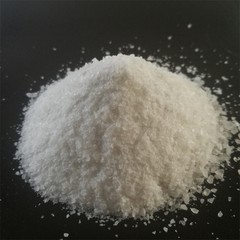
A: Aluminum sulfate is commonly supplied as a white crystalline powder or granules that are soluble in water, making it easy to handle and dose in water treatment processes.

Q: Can aluminum sulfate be used in industrial water treatment applications?

A: Yes, aluminum sulfate is widely used in industrial water treatment for process water clarification, wastewater treatment, and effluent discharge compliance.

Q: What are the considerations for storing aluminum sulfate?

A: Aluminum sulfate should be stored in a cool, dry, and well-ventilated area away from moisture, heat, and incompatible substances to maintain its quality and effectiveness.

Q: Is aluminum sulfate effective in treating different types of water sources?

A: Aluminum sulfate is effective in treating various water sources, including surface water, groundwater, and wastewater, by coagulating and removing impurities for improved water quality.

Q: Can aluminum sulfate be used in agricultural water treatment?

A: Yes, aluminum sulfate can be used in agricultural water treatment for irrigation systems, livestock water supplies, and crop protection to improve water quality and reduce sedimentation.

Q: What are the regulatory guidelines for using aluminum sulfate in water treatment?

A: Regulatory agencies provide guidelines on the permissible levels of aluminum sulfate in treated water to ensure compliance with drinking water standards and environmental regulations.

Q: How does aluminum sulfate help in reducing turbidity in water?

A: Aluminum sulfate binds to suspended particles and colloids in water, causing them to clump together and settle out, thereby reducing turbidity and improving water clarity.

Q: Can aluminum sulfate be used in conjunction with filtration processes in water treatment?

A: Yes, aluminum sulfate can be used in combination with filtration processes such as sand filtration or membrane filtration to enhance the removal of suspended solids and improve water quality.

Q: What are the considerations for monitoring and optimizing aluminum sulfate dosing in water treatment?

A: Regular monitoring of water quality parameters, coagulant dosage, and treatment performance is essential to optimize aluminum sulfate dosing and achieve desired water treatment outcomes effectively.

Q: Can aluminum sulfate be used in wastewater treatment processes?

A: Yes, aluminum sulfate is commonly used in wastewater treatment as a coagulant to remove pollutants and contaminants from industrial and municipal wastewater.

Q: Are there different grades of aluminum sulfate available for water treatment?

A: Yes, aluminum sulfate is available in various grades based on purity, particle size, and specific applications in water treatment and other industries.

Q: How should aluminum sulfate be dosed in water treatment applications?

A: The dosage of aluminum sulfate in water treatment depends on the water quality, turbidity levels, pH, and specific treatment objectives, and should be determined through jar testing.

Q: What is the shelf life of aluminum sulfate?

A: Aluminum sulfate has a relatively long shelf life when stored in a dry and well-ventilated area, typically lasting one to two years without significant degradation.

Q: Can aluminum sulfate be used in conjunction with other water treatment chemicals?

A: Yes, aluminum sulfate can be used in combination with other coagulants, flocculants, and water treatment chemicals to optimize treatment efficiency and achieve desired water quality outcomes.

Q: How does aluminum sulfate compare to other coagulants like ferric chloride?

A: Aluminum sulfate is often preferred over ferric chloride in water treatment due to its lower cost, ease of handling, and effectiveness in a wide range of water conditions.

Q: Can aluminum sulfate be used in swimming pool water treatment?

A: Yes, aluminum sulfate can be used in swimming pools as a flocculant to help clarify water and remove suspended particles for improved water quality.

As one of the most professional aluminum sulphate for water treatment manufacturers and suppliers in China, we're featured by quality products and good service. Please rest assured to buy aluminum sulphate for water treatment made in China here from our factory.

aluminum sulphate for water treatment complementarity, aluminum sulphate for water treatment integration, aluminum sulphate for water treatment exploration

Send Inquiry