

Can aluminum sulfate be used in peat soil amendment?
Jul 04, 2025
Leave a message
Can aluminum sulfate be used in peat soil amendment? Well, that's a question I get asked a lot as a supplier of Aluminum Sulfate Soil Amendment. Peat soil is known for its unique properties, and amending it can be a bit of a tricky business. But let's dive in and see if aluminum sulfate has a place in this process.
Understanding Peat Soil
First off, let's talk about peat soil. Peat is formed from the decomposition of organic matter in waterlogged conditions over a long period. It's rich in organic content, which is great for holding moisture and nutrients. However, peat soil also has some drawbacks. It tends to be acidic, often with a pH ranging from 3.5 to 4.5. This high acidity can limit the availability of certain nutrients to plants, like calcium, magnesium, and phosphorus.
Another issue with peat soil is its structure. It can be quite compacted, which restricts root growth and water infiltration. And because it holds so much water, it can become waterlogged easily, leading to poor oxygenation for plant roots.
What is Aluminum Sulfate?
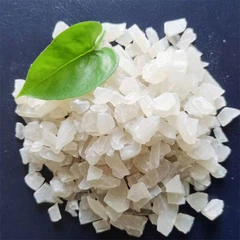
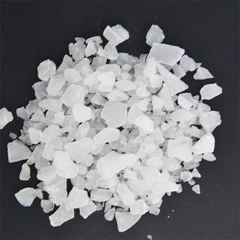
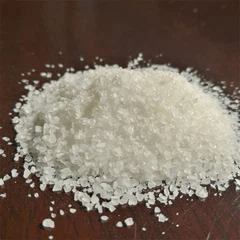
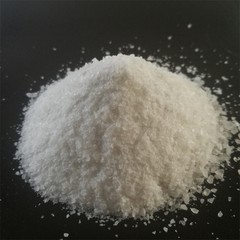
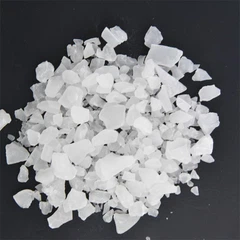
Aluminum sulfate, also known as alum, is a white crystalline compound. It's commonly used in water treatment, paper manufacturing, and, of course, in soil amendment. When it comes to soil, aluminum sulfate can play a few different roles.
One of the main functions of aluminum sulfate in soil is to lower the pH. When it's added to the soil, it reacts with water and releases hydrogen ions, which acidify the soil. This can be beneficial in some cases, especially if you're trying to grow plants that prefer acidic conditions, like blueberries, azaleas, or rhododendrons.
In addition to adjusting the pH, aluminum sulfate can also help to flocculate clay particles in the soil. This means it makes the clay particles clump together, which can improve the soil structure. Better soil structure allows for better water infiltration and root penetration.
Using Aluminum Sulfate in Peat Soil Amendment
Now, let's get back to the question at hand: Can aluminum sulfate be used in peat soil amendment? The answer is yes, but with some considerations.
Adjusting pH
As I mentioned earlier, peat soil is already acidic. So, if you're planning to use aluminum sulfate to lower the pH even further, you need to be careful. You don't want to make the soil too acidic, as this can harm plants. Before adding aluminum sulfate, it's a good idea to test the soil pH. You can use a simple soil test kit, which you can find at most garden centers.
If the pH of your peat soil is already in the range that your plants prefer, there's no need to add aluminum sulfate for pH adjustment. However, if you're growing plants that require a more acidic soil than what your peat soil currently provides, aluminum sulfate can be a useful tool. Just make sure to follow the application rates recommended on the product label.
Improving Soil Structure
One of the potential benefits of using aluminum sulfate in peat soil is to improve its structure. Since peat soil can be compacted, the flocculation effect of aluminum sulfate can help to loosen it up. This allows for better water movement and root growth.
To use aluminum sulfate for soil structure improvement, you can apply it evenly over the soil surface and then work it into the top few inches of soil. You can do this using a garden fork or a tiller. Again, it's important to follow the recommended application rates to avoid over - applying.


Potential Risks and Considerations
While aluminum sulfate can be beneficial in peat soil amendment, there are also some potential risks.
Aluminum Toxicity
One of the main concerns is aluminum toxicity. At high concentrations, aluminum can be toxic to plants. It can interfere with the uptake of nutrients, especially phosphorus, and can also damage plant roots. To avoid aluminum toxicity, it's crucial to use aluminum sulfate in moderation and to monitor the soil conditions regularly.
Environmental Impact
Another consideration is the environmental impact. Aluminum sulfate can leach into groundwater if it's over - applied. This can have negative effects on aquatic ecosystems. So, it's important to use it responsibly and only when necessary.
Success Stories and Case Studies
I've had many customers who have successfully used Aluminum Sulfate Soil Amendment in their peat soil. One customer was growing blueberries in a peat - based raised bed. The soil pH was a bit too high for the blueberries, so they added a small amount of aluminum sulfate according to the recommended rate. After a few weeks, they noticed a significant improvement in the plant growth. The leaves were greener, and the plants started to produce more flowers.
Another customer had issues with waterlogging in their peat soil garden. They applied aluminum sulfate to improve the soil structure. Within a few months, the water infiltration improved, and the plants seemed healthier.
Conclusion
So, can aluminum sulfate be used in peat soil amendment? Absolutely. It can be a valuable tool for adjusting pH and improving soil structure. However, it's important to use it carefully and responsibly. Always test your soil before applying aluminum sulfate, follow the recommended application rates, and monitor the soil and plant conditions regularly.
If you're interested in using Aluminum Sulfate Soil Amendment or Aluminium Sulphate Fertilizer for your peat soil, I'd love to hear from you. Whether you have questions about application rates, potential risks, or just want to discuss your specific soil conditions, feel free to reach out. We can have a chat about how our products can best meet your needs and help you achieve a healthy and thriving garden.
References
- Brady, N. C., & Weil, R. R. (2008). The nature and properties of soils. Pearson Prentice Hall.
- Marschner, H. (2012). Mineral nutrition of higher plants. Academic Press.
Send Inquiry