

Can aluminum sulfate fertilizer be used in wetland areas?
Jan 13, 2026
Leave a message
Hey there! I'm a supplier of aluminum sulfate fertilizer, and I often get asked if it can be used in wetland areas. This is a super important question, especially considering the unique and delicate ecosystems of wetlands. In this blog, I'll share some insights into whether aluminum sulfate fertilizer is a suitable option for these areas.
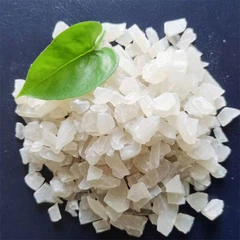
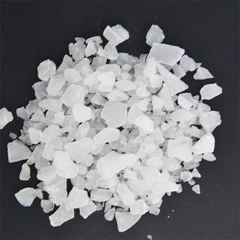
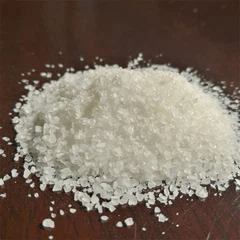
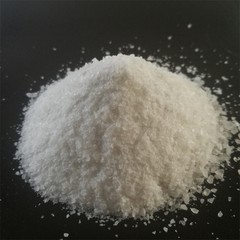
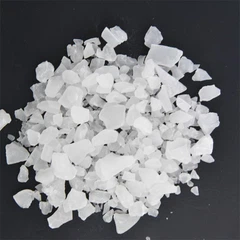
First off, let's talk a bit about what aluminum sulfate fertilizer is. Aluminum sulfate, also known as alum, is a common chemical compound used in various industries, including agriculture. As a fertilizer, it has several functions. One of the main reasons farmers use it is to lower the pH of the soil. When the soil is too alkaline, some plants may have trouble absorbing essential nutrients. By adding aluminum sulfate, we can make the soil more acidic, which can improve nutrient availability for many plants. You can learn more about it on our Aluminium Sulphate Fertilizer page.
Wetlands are important ecosystems that support a wide variety of plants and animals. They play a crucial role in flood control, water purification, and providing habitats for wildlife. Given the importance of wetlands, we need to be really careful about what we introduce into them.
So, can we use aluminum sulfate fertilizer in wetland areas? Well, it's a bit of a double - edged sword.
The Pros
pH Adjustment: Many wetland plants prefer slightly acidic to acidic soil conditions. If the wetland soil is too alkaline, adding a small amount of aluminum sulfate could potentially create a more favorable environment for these plants. For example, some species of mosses and ferns that are commonly found in wetlands thrive in acidic conditions. By using aluminum sulfate as a Aluminum Sulfate Soil Amendment, we might be able to support the growth of these plants and enhance the overall biodiversity of the wetland.
Nutrient Release: Aluminum sulfate can also help release certain nutrients in the soil. In alkaline soils, nutrients like iron and manganese can be locked up and unavailable to plants. When we lower the soil pH with aluminum sulfate, these nutrients become more soluble and easier for plants to take up. This can lead to healthier plant growth in the wetland, which in turn benefits the entire ecosystem.
The Cons
Toxicity to Aquatic Life: One of the biggest concerns is the potential toxicity of aluminum to aquatic organisms. When aluminum sulfate is added to wetland water, it can dissociate into aluminum ions. High levels of aluminum ions in water can be toxic to fish, amphibians, and other aquatic invertebrates. At low pH levels, the solubility of aluminum increases, and these organisms can be more exposed to the toxic effects. This can disrupt the food chain in the wetland and have long - term negative impacts on the ecosystem.
Alteration of Natural pH: Wetlands have a natural pH balance that has been established over time. Introducing aluminum sulfate to adjust the pH can disrupt this natural balance. A sudden change in pH can stress native plants and animals that are adapted to the existing conditions. Some sensitive species may not be able to tolerate the change and could die off, leading to a loss of biodiversity.
Water Quality Issues: Aluminum can also affect water quality. It can cause precipitation and turbidity in the water, reducing the clarity. This can interfere with photosynthesis in aquatic plants, as less light can penetrate the water. Additionally, aluminum can react with other substances in the water, such as phosphate, which can further impact the nutrient cycling in the wetland.


Considerations Before Use
If you're thinking about using aluminum sulfate fertilizer in a wetland area, there are several things you need to consider.
Soil and Water Testing: Before applying any fertilizer, it's essential to test the soil and water in the wetland. This will give you a clear understanding of the current pH levels, nutrient content, and aluminum levels. You can then determine if the use of aluminum sulfate is really necessary and in what quantity.
Permits and Regulations: Many wetland areas are protected by local, state, or federal regulations. You may need to obtain permits before using any fertilizers or chemicals in these areas. Make sure to check with the appropriate regulatory agencies to ensure you're in compliance.
Alternative Options: There are often alternative ways to manage soil pH and nutrient availability in wetlands without using aluminum sulfate. For example, using natural organic materials like peat moss or pine needles can gradually lower the soil pH over time. These alternatives are generally less likely to cause harm to the wetland ecosystem.
Conclusion
In conclusion, while aluminum sulfate fertilizer has some potential benefits for wetland areas in terms of pH adjustment and nutrient release, the risks associated with its use are significant. The potential toxicity to aquatic life, alteration of natural pH, and water quality issues are all important factors to consider.
Before deciding to use aluminum sulfate in a wetland, you should thoroughly assess the situation, conduct proper testing, and comply with all regulations. And if possible, explore alternative options that are more environmentally friendly.
If you're still interested in aluminum sulfate fertilizer for other non - wetland applications, or you have more questions about its use, feel free to reach out. We're here to help you make the right decisions for your agricultural or soil - related needs. Whether you're a small - scale gardener or a large - scale farmer, we have the knowledge and products to support you. Just let us know if you'd like to start a conversation about purchasing aluminum sulfate fertilizer, and we can begin the procurement discussion.
References
- Environmental Science: A Global Concern (Textbook)
- Journal of Wetland Ecology
- Research papers on the impact of aluminum on aquatic ecosystems
Send Inquiry