

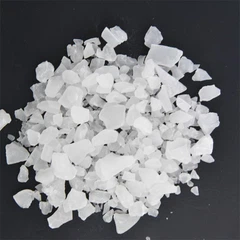
Can aluminum sulfate fertilizer be used in clay soils?
Jan 15, 2026
Leave a message
Clay soils are a common type of soil found in many regions around the world. They are characterized by small particle sizes, high water - holding capacity, and often, poor drainage and aeration. As a supplier of aluminum sulfate fertilizer, I am frequently asked whether this product can effectively be used in clay soils. In this blog, I will delve into the scientific aspects of using aluminum sulfate fertilizer in clay soils, exploring its benefits, potential drawbacks, and application techniques.
Understanding Clay Soils
Before discussing the use of aluminum sulfate fertilizer, it's important to understand the properties of clay soils. Clay particles are extremely fine, with diameters less than 0.002 mm. This fine structure gives clay soils high water - retention capabilities. However, the small pores between clay particles restrict the movement of air and water, leading to poor drainage. Roots in clay soils often struggle to access oxygen, which can stunt plant growth.


Clay soils also tend to have a high cation - exchange capacity (CEC). CEC refers to the soil's ability to hold and exchange positively charged ions (cations) such as calcium, magnesium, and potassium. While a high CEC can be beneficial as it helps retain nutrients, it can also lock up certain nutrients, making them unavailable to plants.
The Role of Aluminum Sulfate Fertilizer
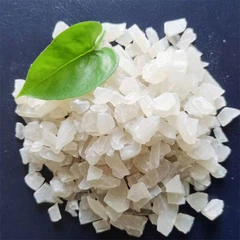
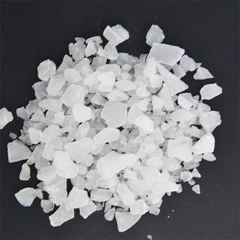
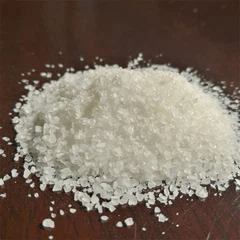
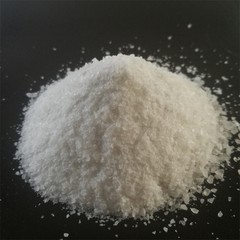
Aluminum sulfate, with the chemical formula Al₂(SO₄)₃, can play several important roles when applied to clay soils.
Acidifying the Soil
One of the primary benefits of aluminum sulfate in clay soils is its ability to lower the soil pH. Many clay soils are alkaline, which can limit the availability of essential nutrients for plants, such as iron, manganese, and zinc. When aluminum sulfate is added to the soil, it undergoes hydrolysis reactions that release hydrogen ions (H⁺), which in turn lower the soil pH. This acidification makes these nutrients more soluble and available for plant uptake. The reaction can be represented by the following simplified chemical equations:
[
Al_{2}(SO_{4}){3}+ 6H{2}O\rightarrow2Al(OH){3}+3H{2}SO_{4}
]
[
H_{2}SO_{4}\rightarrow2H^{+}+SO_{4}^{2 - }
]
The released hydrogen ions react with carbonate ions in the soil (if present), further contributing to the acidification process. This can be particularly beneficial for acid - loving plants such as blueberries, azaleas, and rhododendrons, which thrive in slightly acidic soil conditions (pH 4.5 - 6.0).
Improving Soil Structure
Aluminum ions from aluminum sulfate can also help to improve the structure of clay soils. The aluminum cations can replace calcium and magnesium ions on the surface of clay particles. This leads to the flocculation of clay particles, where the fine particles clump together to form larger aggregates. These larger aggregates create larger pore spaces in the soil, improving both drainage and aeration. As a result, roots can penetrate the soil more easily, and water and air can move through the soil profile more freely.
Potential Drawbacks
While aluminum sulfate fertilizer offers numerous benefits for clay soils, it also has some potential drawbacks that need to be considered.
Aluminum Toxicity
Excessive application of aluminum sulfate can lead to high levels of aluminum in the soil. At low soil pH values, aluminum becomes more soluble and can reach toxic levels for plants. Aluminum toxicity can inhibit root growth, reduce nutrient uptake, and cause stunted plant growth. Symptoms of aluminum toxicity include yellowing of leaves, reduced root development, and poor overall plant vigor. Therefore, it is crucial to apply aluminum sulfate at the correct rate to avoid these negative effects.
Sulfate Buildup
The sulfate component of aluminum sulfate can also accumulate in the soil over time. High levels of sulfate can lead to the acidification of groundwater and can have negative impacts on the soil ecosystem. In addition, excessive sulfate can interfere with the uptake of other nutrients, such as calcium and magnesium.
Application of Aluminum Sulfate Fertilizer in Clay Soils
To ensure the safe and effective use of aluminum sulfate fertilizer in clay soils, proper application techniques should be followed.
Soil Testing
Before applying aluminum sulfate, it is essential to conduct a soil test. A soil test will provide information on the current pH level, nutrient content, and CEC of the soil. Based on the test results, the appropriate amount of aluminum sulfate can be determined. Generally, the application rate ranges from 5 to 10 pounds per 100 square feet for mild acidification, but this can vary depending on the soil conditions and the specific plants being grown.
Incorporation into the Soil
Aluminum sulfate should be evenly incorporated into the top 6 - 8 inches of the soil. This can be done by spreading the fertilizer over the soil surface and then using a tiller or a garden fork to mix it into the soil. It is important to water the area thoroughly after application to help the fertilizer dissolve and move into the soil profile.
Monitoring and Adjustment
After applying aluminum sulfate, it is important to monitor the soil pH and plant health regularly. You can use a soil pH testing kit to check the pH level periodically. If the pH does not reach the desired level or if the plants show signs of stress, adjustments to the application rate may be necessary.
Benefits for Plant Growth
When used correctly, aluminum sulfate fertilizer can have significant benefits for plant growth in clay soils.
Enhanced Nutrient Uptake
As mentioned earlier, the acidification of clay soils by aluminum sulfate makes essential nutrients more available to plants. This can lead to improved plant growth, increased flower and fruit production, and better overall plant health. For example, iron is more readily available in acidic soils, and plants with sufficient iron can produce more chlorophyll, resulting in greener and healthier leaves.
Improved Root Development
The improved soil structure resulting from the flocculation of clay particles allows roots to grow more freely. This can lead to a more extensive root system, which in turn can better anchor the plant and absorb water and nutrients from the soil.
Conclusion
In conclusion, aluminum sulfate fertilizer can be effectively used in clay soils, provided that it is applied correctly. It can acidify the soil, making essential nutrients more available to plants, and improve soil structure by promoting the flocculation of clay particles. However, it is important to be aware of the potential drawbacks, such as aluminum toxicity and sulfate buildup. By conducting soil tests, following proper application techniques, and monitoring soil conditions, the use of aluminum sulfate fertilizer in clay soils can lead to healthier plants and better - performing gardens.
If you are interested in learning more about Aluminum Sulfate Soil Amendment or our Aluminium Sulphate Fertilizer, or if you have any questions regarding the use of these products in your specific soil conditions, we encourage you to reach out to us. We are here to provide you with the best advice and high - quality products to meet your agricultural and gardening needs. Let's start a discussion on how our aluminum sulfate fertilizer can transform your clay soils and enhance your plant growth.
References
Brady, N. C., & Weil, R. R. (2008). The Nature and Properties of Soils. Pearson Prentice Hall.
Marschner, H. (2012). Mineral Nutrition of Higher Plants. Academic Press.
Tisdale, S. L., Nelson, W. L., Beaton, J. D., & Havlin, J. L. (1993). Soil Fertility and Fertilizers. Macmillan Publishing Company.
Send Inquiry