

What is the function of 15.8% aluminum sulphate in the textile industry?
Jan 15, 2026
Leave a message
Hey there, textile enthusiasts and industry pros! As a proud supplier of 15.8% aluminum sulphate, I'm stoked to delve into the wild world of what this chemical brings to the table in the textile industry. You might be wondering, "What's so special about 15.8% aluminum sulphate?" Well, buckle up, 'cause we're about to find out!
What Exactly is 15.8% Aluminum Sulphate?
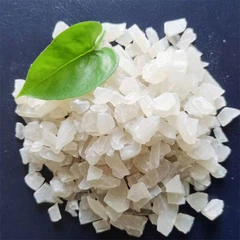
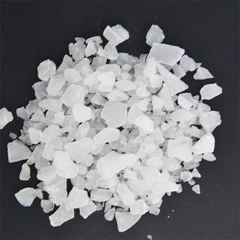
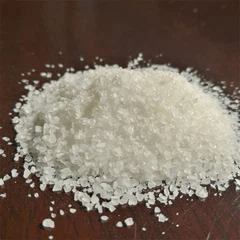
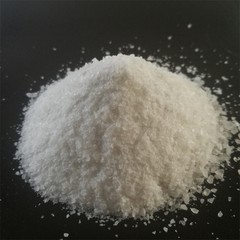
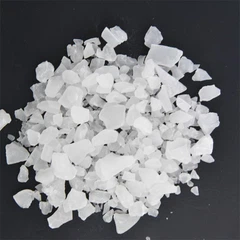
First off, let's get the basics down. Aluminum sulphate, chemically known as Al₂(SO₄)₃, is a white crystalline compound. The 15.8% here refers to its specific concentration, which is key for its applications in the textile game. It's made by reacting aluminum hydroxide with sulfuric acid, and the resulting product is a versatile chemical that has found its way into many textile processes.
Dyeing and Printing: The Color Magic
One of the most important functions of 15.8% aluminum sulphate in the textile industry is in dyeing and printing. When you think about it, getting that perfect, long - lasting color on fabric is no easy feat. That's where our aluminum sulphate steps in.
In the dyeing process, it acts as a mordant. A mordant is like a glue that helps the dye stick to the fabric. Without it, the dye might just wash out after a few spins in the washing machine. The 15.8% concentration is ideal because it provides just the right amount of reactivity. It forms a complex with the dye molecules and the fabric fibers, creating a strong bond. This means that the colors you see on your favorite T - shirts, dresses, and curtains stay bright and vivid, even after multiple washes.
In textile printing, it serves a similar purpose. Whether it's a cool graphic on a hoodie or an elegant floral pattern on a silk scarf, aluminum sulphate helps the printed design adhere to the fabric. This ensures that the printed image doesn't start to fade or smudge over time. It's amazing to think that a simple chemical can make such a big difference in how our clothes and home textiles look and last.
Water Treatment in Textile Production
Textile manufacturing uses a ton of water. From washing the raw fibers to rinsing the dyed fabrics, water is everywhere in the process. But all that water needs to be treated before it can be reused or released back into the environment. That's where our 15.8% aluminum sulphate shines.
It's a key player in water treatment, acting as a coagulant. When it's added to the water, it causes small particles and impurities to clump together. These clumps, or flocs, are then easier to filter out. This is super important in the textile industry because the water used often contains dyes, chemicals, and other contaminants. By using aluminum sulphate for water treatment, textile mills can reduce the amount of pollution they produce and also save on water costs by reusing treated water.
If you're interested in learning more about how aluminum sulphate is used in water treatment, check out this link: Aluminium Sulfate Water Treatment
pH Adjustment
The pH level of the water and solutions used in textile processing is crucial. Different dyes and finishing agents work best at specific pH ranges. 15.8% aluminum sulphate can be used to lower the pH in these solutions. In acidic conditions, some dyes are more effectively absorbed by the fabric, and certain chemical reactions during the finishing process occur more efficiently.
For example, in some types of dyeing, a slightly acidic environment helps the dye molecules penetrate the fabric better, resulting in a more even and intense color. By carefully adding the right amount of aluminum sulphate, textile manufacturers can fine - tune the pH of their processing solutions to get the best results.
Finishing and Softening
In textile finishing, the goal is to give the fabric certain properties like stiffness, softness, or water - repellency. 15.8% aluminum sulphate can be used in softening agents. It helps to break down the surface tension of the fabric fibers, making the fabric feel softer to the touch.
It can also be used in conjunction with other chemical agents to provide a smooth and wrinkle - resistant finish. This is especially important for high - end fabrics and garments that need to look their best. Imagine a crisp, wrinkle - free shirt or a luxurious, soft blouse. Aluminum sulphate might be one of the unsung heroes behind that perfect finish.
Our Product: Quality and Reliability
As a supplier of 15.8% aluminum sulphate, I can assure you that our product is top - notch. We've got a strict quality control process in place to make sure that each batch meets the highest standards. Whether you're a small - scale textile printer or a large industrial textile mill, our product is consistent and reliable.
We also offer Aluminium Sulphate Liquid, which is convenient for easy dosing and mixing in your textile processes. And if you're looking for industrial - grade options, check out our Industrial Aluminum Sulphate.


Why Choose Us?
There are a few reasons why you should consider us as your go - to supplier. First of all, we've got great customer service. We're always ready to answer your questions, whether it's about the technical aspects of aluminum sulphate or how to use it in your specific textile process.
Secondly, our prices are competitive. We understand that cost is a big factor in the textile industry, and we want to help you keep your production costs down without sacrificing quality.
Finally, we have a reliable supply chain. You won't have to worry about running out of aluminum sulphate when you need it most. We'll make sure that you get your orders on time, every time.
Ready to Make a Purchase?
If you're in the textile industry and think that 15.8% aluminum sulphate could be a game - changer for your production processes, I encourage you to reach out. Whether you want to know more about the product, get a quote, or discuss your specific requirements, we're here to help. Let's start a conversation and see how we can work together to take your textile business to the next level.
References
- "Textile Chemistry: Fundamentals and Applications" by various authors
- "Industrial Water Treatment Handbook" for information on water treatment in textile mills
Send Inquiry