

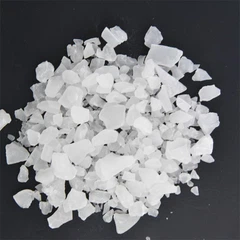
Can aluminum sulphate powder be used in the production of plastics?
Dec 03, 2025
Leave a message
Can aluminum sulphate powder be used in the production of plastics?
As a supplier of aluminum sulphate powder, I am often asked about the diverse applications of our product. One question that has recently come up more frequently is whether aluminum sulphate powder can be used in the production of plastics. In this blog post, I will explore this topic in detail, drawing on scientific knowledge and industry insights.
Understanding Aluminum Sulphate Powder
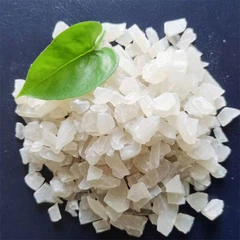
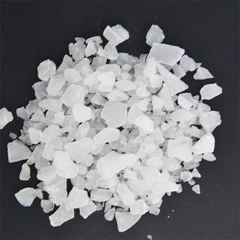
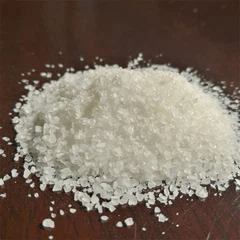
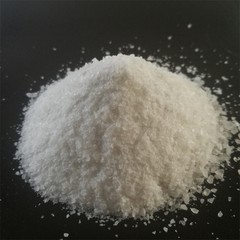
Before delving into its potential use in plastic production, let's first understand what aluminum sulphate powder is. Aluminum sulphate, with the chemical formula Al₂(SO₄)₃, is a white, crystalline powder. It is widely used in various industries due to its unique chemical properties.
We offer different forms of aluminum sulphate, including Ferric Aluminium Sulphate, Aluminum Sulphate Powder, and Aluminum Sulphate Flake. Each form has its own characteristics and is suitable for different applications.
The Role of Additives in Plastic Production
Plastics are synthetic materials made from polymers, which are large molecules composed of repeating units. To enhance the performance and properties of plastics, various additives are often incorporated during the production process. These additives can improve factors such as strength, flexibility, heat resistance, and flame retardancy.


Potential Applications of Aluminum Sulphate Powder in Plastics
- Flame Retardant
One of the potential uses of aluminum sulphate powder in plastic production is as a flame retardant. When exposed to fire, plastics can burn rapidly, releasing toxic gases and contributing to the spread of fire. Aluminum sulphate can act as a flame retardant by decomposing at high temperatures and releasing water vapor. This water vapor dilutes the flammable gases and reduces the oxygen concentration around the plastic, thus suppressing the combustion process.
Several studies have shown that the addition of aluminum sulphate to certain plastics can significantly improve their fire resistance. For example, in polyolefin plastics, the incorporation of a small amount of aluminum sulphate can reduce the flammability and increase the time to ignition.
- Filler and Reinforcement
Aluminum sulphate powder can also be used as a filler and reinforcement in plastics. Fillers are materials added to plastics to reduce the cost, improve the dimensional stability, and enhance the mechanical properties. Aluminum sulphate has a relatively high density and can provide additional mass to the plastic, making it more rigid and less prone to deformation.
In some cases, aluminum sulphate can act as a reinforcement by forming a network structure within the plastic matrix. This network can distribute the stress more evenly, increasing the strength and toughness of the plastic. For instance, in glass - fiber - reinforced plastics, the addition of aluminum sulphate can improve the interfacial bonding between the glass fibers and the plastic matrix, resulting in better mechanical performance.
- pH Regulation
During the production of some plastics, the pH of the reaction system needs to be carefully controlled. Aluminum sulphate is an acidic salt and can be used to adjust the pH of the plastic production process. By maintaining the appropriate pH, the chemical reactions involved in plastic synthesis can proceed smoothly, leading to better - quality plastics.
Challenges and Considerations
While aluminum sulphate powder has potential applications in plastic production, there are also some challenges and considerations that need to be addressed.
- Compatibility
The compatibility between aluminum sulphate and the plastic matrix is crucial. If the aluminum sulphate does not disperse evenly in the plastic, it can lead to poor mechanical properties and reduced performance. Therefore, appropriate surface treatment or dispersing agents may be required to ensure good compatibility. - Environmental Impact
The environmental impact of using aluminum sulphate in plastics should also be considered. Although aluminum sulphate is a relatively common chemical, its release into the environment during the production, use, or disposal of plastics may have potential ecological consequences. Therefore, proper waste management and environmental protection measures should be implemented.
Conclusion
In conclusion, aluminum sulphate powder has the potential to be used in the production of plastics. It can serve as a flame retardant, filler, reinforcement, and pH regulator, providing several benefits to the plastic products. However, careful consideration needs to be given to the compatibility, environmental impact, and other factors.
As a supplier of high - quality aluminum sulphate powder, we are committed to providing our customers with the best products and technical support. If you are interested in exploring the use of aluminum sulphate powder in your plastic production process, we would be more than happy to discuss your specific needs and requirements. Contact us to start a procurement negotiation and find out how our aluminum sulphate products can enhance your plastic manufacturing operations.
References
- "Plastics Additives Handbook" by Hans Zweifel.
- Research papers on the use of inorganic salts as flame retardants in plastics from various scientific journals.
Send Inquiry