

What is the role of aluminum in aluminum sulfate fertilizer for plants?
Jun 26, 2025
Leave a message
Hey there! I'm a supplier of aluminum sulfate fertilizer, and I've been getting a lot of questions lately about the role of aluminum in aluminum sulfate fertilizer for plants. So, I thought I'd take a few minutes to break it down for you.
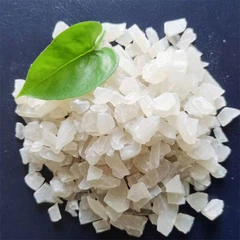
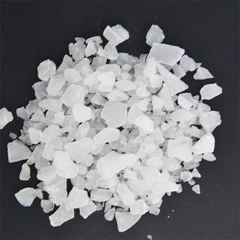
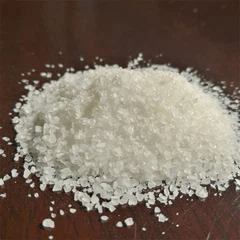
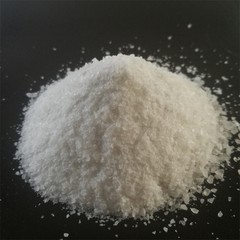
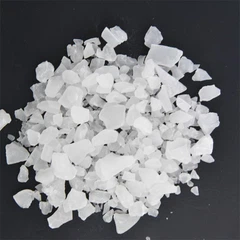
First off, let's talk about what aluminum sulfate fertilizer is. It's a type of fertilizer that contains aluminum sulfate, which is a compound made up of aluminum, sulfur, and oxygen. This fertilizer is commonly used in agriculture and gardening to adjust soil pH, promote plant growth, and improve soil structure.
Now, let's get into the role of aluminum in this fertilizer. Aluminum plays several important roles in the health and growth of plants, but it's important to note that too much aluminum can be harmful. So, it's all about finding the right balance.
1. Soil pH Adjustment
One of the primary roles of aluminum in aluminum sulfate fertilizer is to lower the pH of the soil. Most plants prefer a slightly acidic to neutral soil pH, typically between 6.0 and 7.0. However, some plants, like blueberries, azaleas, and rhododendrons, thrive in more acidic soil with a pH between 4.5 and 5.5.
When aluminum sulfate is added to the soil, it reacts with water and releases hydrogen ions (H+). These hydrogen ions increase the acidity of the soil, effectively lowering the pH. This is especially useful in alkaline soils, where the high pH can make it difficult for plants to absorb essential nutrients like iron, manganese, and phosphorus.
By adjusting the soil pH, aluminum sulfate fertilizer can make these nutrients more available to plants, promoting healthier growth and better yields. You can learn more about this process on our Aluminum Sulfate Soil Amendment page.
2. Nutrient Uptake
In addition to adjusting soil pH, aluminum can also play a role in nutrient uptake. Some studies have shown that aluminum can enhance the uptake of certain nutrients, such as phosphorus. Phosphorus is an essential nutrient for plant growth, as it is involved in energy transfer, root development, and flower and fruit production.
In acidic soils, phosphorus can become bound to aluminum and iron oxides, making it less available to plants. However, in the presence of aluminum sulfate, the aluminum can form complexes with the phosphorus, preventing it from binding to the oxides and keeping it in a more soluble form. This allows plants to more easily absorb the phosphorus, leading to improved growth and development.


3. Soil Structure Improvement
Another benefit of aluminum sulfate fertilizer is its ability to improve soil structure. In heavy clay soils, the particles are tightly packed together, making it difficult for water, air, and roots to penetrate. This can lead to poor drainage, waterlogging, and root suffocation.
When aluminum sulfate is added to clay soils, the aluminum ions can react with the clay particles and cause them to flocculate, or clump together. This creates larger pore spaces in the soil, improving drainage and aeration. As a result, the soil becomes more friable and easier to work with, and plant roots can grow more freely.
4. Disease and Pest Resistance
Some research has also suggested that aluminum may play a role in enhancing plant resistance to diseases and pests. Aluminum can stimulate the production of certain defense compounds in plants, such as phytoalexins, which are natural antibiotics that help protect plants from pathogens.
In addition, the acidic conditions created by aluminum sulfate fertilizer can make the soil less hospitable to some soil-borne diseases and pests. For example, some fungi and nematodes prefer neutral to alkaline soils, and the lower pH can inhibit their growth and reproduction.
5. Potential Risks and Considerations
While aluminum can have many benefits for plants, it's important to use aluminum sulfate fertilizer carefully. As I mentioned earlier, too much aluminum can be toxic to plants. High levels of aluminum in the soil can interfere with root growth, nutrient uptake, and photosynthesis, leading to stunted growth, yellowing leaves, and poor yields.
The toxicity of aluminum depends on several factors, including the soil pH, the type of plant, and the concentration of aluminum in the soil. In general, plants are more sensitive to aluminum in acidic soils, as the aluminum is more soluble and available for uptake.
To avoid aluminum toxicity, it's important to test your soil before applying aluminum sulfate fertilizer. You can use a soil testing kit or send a sample to a professional laboratory for analysis. Based on the results, you can determine the appropriate amount of fertilizer to apply and the best way to apply it.
It's also a good idea to follow the manufacturer's instructions carefully and to avoid over-applying the fertilizer. If you're unsure about how to use aluminum sulfate fertilizer, you can consult with a local agricultural extension agent or a professional horticulturist.
Conclusion
In conclusion, aluminum plays several important roles in aluminum sulfate fertilizer for plants. It can adjust the soil pH, enhance nutrient uptake, improve soil structure, and potentially increase plant resistance to diseases and pests. However, it's important to use this fertilizer carefully to avoid aluminum toxicity.
If you're interested in learning more about aluminum sulfate fertilizer or if you're looking to purchase our products, please visit our Aluminium Sulphate Fertilizer page. We offer high-quality aluminum sulfate fertilizer at competitive prices, and our team of experts is always available to answer your questions and provide you with the best advice.
Whether you're a professional farmer, a home gardener, or a landscaper, we're here to help you achieve your goals and grow healthy, beautiful plants. So, don't hesitate to get in touch with us today to discuss your fertilizer needs and to start a purchase negotiation.
References
- Marschner, H. (2012). Mineral Nutrition of Higher Plants. Academic Press.
- Brady, N. C., & Weil, R. R. (2008). The Nature and Properties of Soils. Pearson Prentice Hall.
- Mengel, K., & Kirkby, E. A. (2001). Principles of Plant Nutrition. Kluwer Academic Publishers.
Send Inquiry