


Ferric Aluminium Sulphate
Company Introduction
Our company specialize in producing aluminium sulphate and now also is a well-known aluminum sulphate production factory in China with an annual output of industrial aluminum sulphate 150 thousand tons and of iron free grade 80 thousand. Established in 1989, specializing in aluminum sulphate production.
Why Choose Us
Our factory
Established in 1989, specializing in aluminum sulphate production. Our company specialize in producing aluminium sulphate and now also is a well-known aluminum sulphate production factory in China with an annual output of industrial aluminum sulphate 150 thousand tons and of iron free grade 80 thousand.
Our product
Aluminum Sulphate, Iron Free Aluminum Sulfate, Aluminum Sulphate For Water Treatment, Aluminum Sulfate Fertilizer, Electronic Grade Aluminum Sulfate.
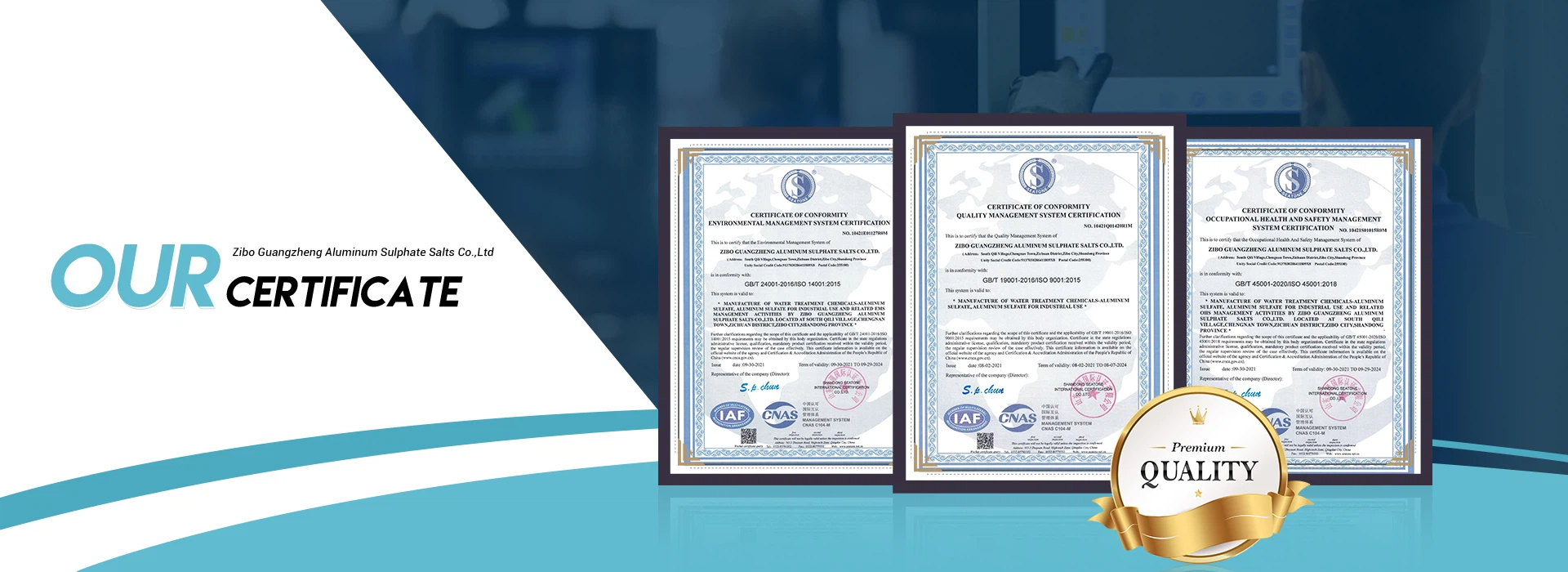
Our certificate
ISO 9001:2015; ISO 14001:2015; ISO45001:2018.
Production Equipment
Raymondmill,Reaction Kettles,Crystallization devices.
Related Product

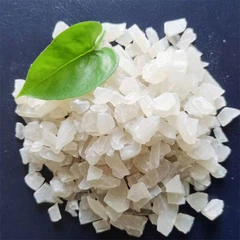
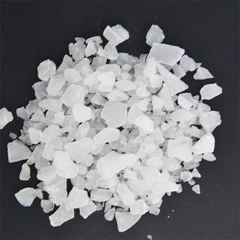
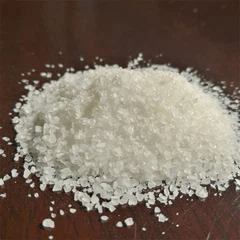
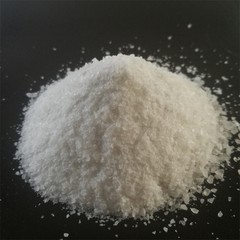
Classified by appearance, aluminum sulfate can generally be divided into flake aluminum sulfate, granule aluminium sulfate, lump aluminium sulfate and powder aluminum sulfate. The production process of aluminum sulfate is to first react sulfuric acid, aluminum ore, and aluminum hydroxide with water to produce aluminum sulfate solution, while for the convenience of transportation, we make liquid aluminum sulfate in solid form.

According to the latest Chinese Chemical Standards HG/T2225-2018 II, we produce aluminum sulfate with its Al2O3 content 15.8% and Fe content 0.5%, which can be widely used in industrial wastewater treatment, This standard also specifies the classification, requirements, test methods, inspection rules, signs, labels, packaging, transportation, storage of 15.8% aluminum sulfate for industrial use.

The initial form of aluminum sulfate is liquid aluminum sulfate, but for the convenience of transportation, it is usually made into flakes, granules, and even large blocks, The characteristic of solid aluminum sulphate is that they are easier to transport and safer than liquid aluminum sulfate, as liquid aluminum sulfate is usually considered to contain a certain amount of acidity and has slight corrosiveness to some metal or plastic containers.

Industrial aluminum sulfate is a commonly used chemical substance, also known as aluminum sulphate. It is a salt compound formed by the reaction of sulfuric acid and aluminum salts. Industrial aluminium sulfate has various uses and is widely used in industries such as water treatment, papermaking, textiles, leather, printing and dyeing, pharmaceuticals, and building materials.

Granular aluminum sulfate is an important inorganic chemical product and are widely used in multiple industry fields. It is a granular solid substance made from bauxite through processes such as grinding, acidification, crystallization, etc. The production process of granular aluminum sulphate mainly includes steps such as bauxite beneficiation, grinding, acidification, crystallization, etc. Firstly, aluminite is extracted from bauxite through mineral processing technology, and then ground into a certain particle size.

CAS (Chemical Abstracts Service) Registry Number is a unique identifier that by entering the number you can search for the desired chemical name.

Aluminium Sulphate Octadecahydrate
Aluminum sulfate octahydrate is a chemical substance with the formula Al2 (SO4) 3 · 18H2O. Under normal temperature and pressure, Aluminium sulfate octahydrateis a white amorphous crystal or particle, soluble in water but insoluble in alcohol organic solvents. Aluminum sulphate octahydrate is stable in the air and begins to weather when the relative humidity is about 20%. It gradually heats up and melts, losing crystalline water at 250 ℃ and decomposing at higher temperatures.

Liquid aluminium sulphate also has good stability and solubility. It has a high solubility in water and can quickly dissolve and function. Meanwhile, liquid aluminum sulfate is relatively stable during storage and use, not easily decomposed or spoiled, and can maintain its effectiveness for a long time.

Among them, lump aluminium sulfate has a larger thickness and size compared to flake and granular shapes, which is determined by the traditional aluminum sulphate production process. The previous production crystallization process of aluminum sulfate was very backward in terms of crystallization method. Due to the lack of more efficient crystallization equipment, the use of disc crystallization method, which was usually crushed by manual or simple equipment, resulted in a very large crystallization thickness, especially, manual crushing caused uneven and large particle size blocks.
What Is Ferric Aluminium Sulphate
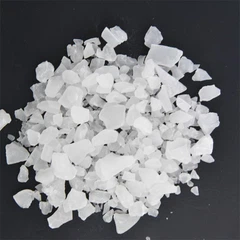
Ferric aluminium sulfate, or low ferric aluminum sulfate, is an inorganic substance with chemical formula of Al2(SO4)3 and formula amount of 342.15, a kind of common chemical with crystalline appearance with a density of 1.181g/ (25). Made from bauxite, aluminum hydroxide and sulfuric acid, low ferric aluminium sulphate is little bit white grey and yellow in color for containing Fe2o3, low ferric aluminium sulfate with aluminum oxide 15.8% and Fe 0.5% mainly used in industrial waste water treatment industries.
Advantages of Ferric Aluminium Sulphate
Effective
Ferric aluminium sulphate is a highly effective coagulant in water treatment processes, aiding in the removal of impurities, turbidity, and suspended particles from water.
Versatility
It can be used in various applications such as water treatment, wastewater treatment, paper manufacturing, dyeing, and printing, showcasing its versatility in different industries.
Environmental benefits
By aiding in the removal of pollutants and improving water quality, ferric aluminium sulphate supports environmentally friendly practices in water management and treatment.
Cost-effective
Ferric aluminium sulphate can be a cost-effective solution for water treatment processes due to its efficiency in coagulation and its ability to reduce the need for additional treatment steps.
Ferric aluminum sulfate finds most of its application in water treatment. The following are the application and uses of the chemical compound. It is used in the food manufacturing industry as a firming agent. It serves as a mordant in the printing industry and also in the process of textile dyeing. It is used for the coagulation process in water purification. It aids the coagulation of impurities. Thereby making it. Easy to separate impure substances from water. In fire fighting. The compound can serve as a foaming agent since it is inflammable. It can help combust material from accessing energy. Thereby discouraging fire from spreading. The compound is applicable in the treatment and disinfection process of sewage. The compound is used as a deodorant and styptic substance in wound treatment.
Ferric aluminum sulfate is a chemical compound. The chemical formula is represented as al2(so4)3.18h2o. Ferric aluminum sulfate is a non-toxic chemical substance. It is used in the purification of drinking water. However, it can pose a threat to human life when used in large quantities. Where is ferric aluminum sulfate found, and what does it look like? Anhydrous ferric aluminum sulfate occurs naturally as a rare mineral. It is found mostly in the waste dump ofa coal Mine or a volcanic environment however, it can also be produced in the laboratory by adding aluminum hydroxide and sulphuric acid. Ferric aluminum sulfate is a white crystaline substance. It can also be made into powder and packaged into bags. It is hygroscopic. Odorless. And soluble in water.
What Is The Analysis Of Ferric Aluminium Sulphate
|
ITEM |
SPECIFICATION |
RESULT |
|
Average Size Of Flakes, max |
0-25mm |
Conformed |
|
Aluminum oxide Al2O3 %, min |
15.80 |
15.92 |
|
Iron (Fe) content %, max |
0.50 |
0.38 |
|
Water insoluble Matter %, max |
0.10 |
0.06 |
|
PH value 1% aqueous solution, min |
3.0 |
3.10 |
|
As %, max |
0.0005 |
0.00004 |
|
Heavy metals as Pb %, max |
0.002 |
NONE DETECTED |
|
Color |
Gray& buff |
Conformed |
|
Packing:25kg,50kgs or 1000kg/ bag, in lined with plastic bag, outer woven bag |
||
Introduction to the Basic Knowledge of Ferric Aluminium Sulphate
Ferric aluminium sulphate based primary coagulant scientifically formulated for the treatment of potable water as well as process water, wastewater, sewage and industrial effluents. It works by neutralising the negative charge on suspended and colloidal matter to produce compact flocs suitable for easy removal by either settlement or flotation processes. Additionally, it promotes more efficient sludge digestion and dewatering. It is a solution of ferric aluminium sulphate coagulant containing cationic iron & aluminium ions in acidic solution. It should be dosed directly via suitable acid-resistant dosing pump into raw, wastewater or stock flow. Dilution prior to dosing is not recommended. Dosing installation should be installed in such a way that uniform mixing is achieved. The optimum dosage should be determined in each application using standard jar test procedure.
It is compatible with most cationic polymers but stability tests should be carried out in individual applications. Coagulation ph will depend on the application but is usually in the range 5.8 to 8.0 and preferably 6.5 to 7.0.
Do You Know The Inspection Process For Ferric Aluminium Sulphate
Production enterprises use the same batch of materials, continuously produce under the same production conditions, or produce the same and other ferric aluminium sulphate in the same batch in the same team. Each batch of products should not exceed 150 tons. Determine the number of units for collecting samples according to GB/T 6678. When sampling solid products, insert the sampler diagonally above the packaging bag into three-quarters of the material layer for sampling. Mix the collected samples evenly, then reduce the sample to no less than 500 grams according to the quarter method, and sample the liquid product according to GB/T 6680. After mixing the collected samples evenly, the sample volume should not be less than 500 milliliters.
Put the evenly mixed sample into two clean and dry wide mouthed bottles with stoppers, and seal them. Label the bottle or plastic bag with the manufacturer's name, category, grade, product name, batch number, sampling date, and sampler name. One is used as a laboratory sample, and the other is kept for future reference. The storage time is at the discretion of the manufacturer. Manufacturers should ensure that all ferric aluminium sulphate manufactured by the factory meets the requirements of inspection standards. If the inspection results do not meet the requirements, a sample of twice the original sampling size should be taken for retesting.
Ferric aluminium sulphate is used to remove organic compounds from wastewater and potable water. The chemical encourages small particles to cling to larger particles in water. When those large particles are filtered out, much of the ferric aluminium sulphate goes with it. While ferric aluminium sulphate can't remove pathogens or bacteria, the coagulation process reduces the presence of dissolved substances in water, which means less chlorine is needed for disinfection. Ferric aluminium sulphate can be harmful to humans, causing severe burns if it touches bare skin and irritation and coughing if inhaled. Because of the nature of this chemical, a specialized storage solution is best for maximum safety.
Ferric aluminium sulphate can separate, causing pumping problems. Delivery of the chemicals at elevated temperatures -- especially during the colder months -- can cause expansion and put stress on a storage tank. Chemicals like ferric aluminium sulphate can create vapor or fumes which can cause damage to surrounding trees and plants. Coagulation, settling and separation can all cause storage problems, especially in concert with temperature variations. A proper storage solution can preserve the integrity of the product and maintain safety:
High-density cross-linked (xlpe) storage tank handles expansion and contraction due to elevated temperatures and reduces the risk of tank failure. A chemical tank for ferric aluminium sulphate should have a specific gravity rating of 1.65. On the bottom sidewall of the tank, consider a full-drain imfo fitting. This fitting is molded into the tank at lowest point possible on the sidewall which helps with total drainage and potential leaks with mechanically attached fittings. Components of your tank should include pvc fittings, 316 ss bolts, and edpm gaskets. Heat pads and insulation help regulate temperature, reducing the chance of separation. Mixers help prevent the ferric aluminium sulphate from separating.
Our factory
Our company specialize in producing aluminium sulphate and now also is a well-known aluminum sulphate production factory in China with an annual output of industrial aluminum sulphate 150 thousand tons and of iron free grade 80 thousand. Established in 1989, specializing in aluminum sulphate production

Our certificate
FAQ
Hot Tags: ferric aluminium sulphate, China ferric aluminium sulphate manufacturers, suppliers, factory, food grade aluminum sulphate, aluminum sulphate as coagulant, textile industry aluminum sulphate, cosmetic grade aluminum sulphate, granular aluminum sulphate, aluminum sulphate manufacturers
You Might Also Like


Send Inquiry