

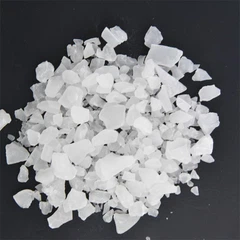

Industrial Aluminum Sulphate
Company Introduction
Our company specialize in producing aluminium sulphate and now also is a well-known aluminum sulphate production factory in China with an annual output of industrial aluminum sulphate 150 thousand tons and of iron free grade 80 thousand. Established in 1989, specializing in aluminum sulphate production.
Why Choose Us
Our factory
Established in 1989, specializing in aluminum sulphate production. Our company specialize in producing aluminium sulphate and now also is a well-known aluminum sulphate production factory in China with an annual output of industrial aluminum sulphate 150 thousand tons and of iron free grade 80 thousand.
Our product
Aluminum Sulphate, Iron Free Aluminum Sulfate, Aluminum Sulphate For Water Treatment, Aluminum Sulfate Fertilizer, Electronic Grade Aluminum Sulfate.
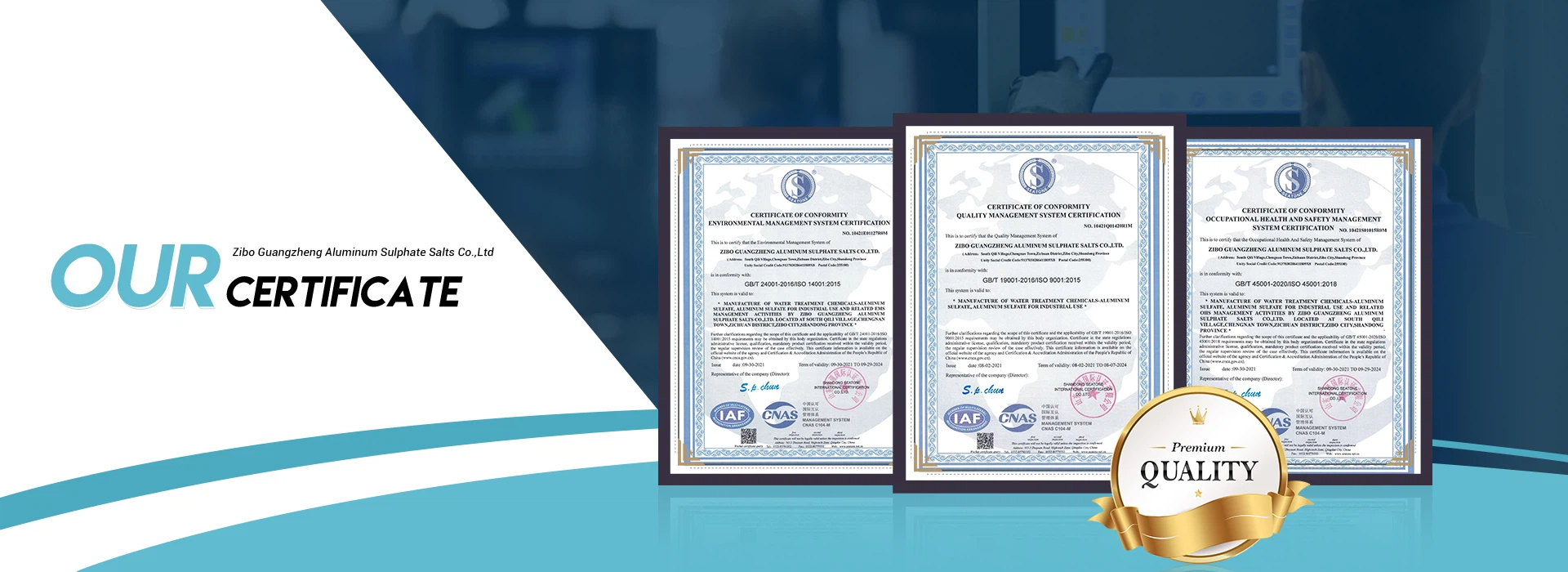
Our certificate
ISO 9001:2015; ISO 14001:2015; ISO45001:2018.
Production Equipment
Raymondmill,Reaction Kettles,Crystallization devices.
Related Product

Ferric aluminium sulfate, or low ferric aluminum sulfate, is an inorganic substance with chemical formula of Al2(SO4)3 and formula amount of 342.15, a kind of common chemical with crystalline appearance with a density of 1.181g/ (25). Made from bauxite, aluminum hydroxide and sulfuric acid, low ferric aluminium sulphate is little bit white grey and yellow in color for containing Fe2o3, low ferric aluminium sulfate with aluminum oxide 15.8% and Fe 0.5% mainly used in industrial waste water treatment industries.

According to the latest Chinese Chemical Standards HG/T2225-2018 II, we produce aluminum sulfate with its Al2O3 content 15.8% and Fe content 0.5%, which can be widely used in industrial wastewater treatment, This standard also specifies the classification, requirements, test methods, inspection rules, signs, labels, packaging, transportation, storage of 15.8% aluminum sulfate for industrial use.

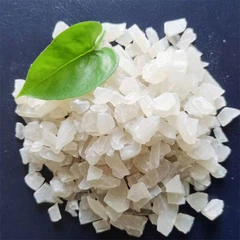
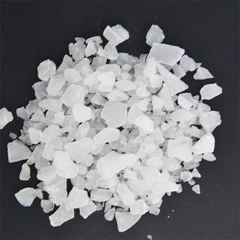
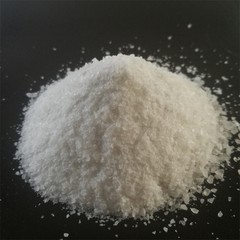
Classified by appearance, aluminum sulfate can generally be divided into flake aluminum sulfate, granule aluminium sulfate, lump aluminium sulfate and powder aluminum sulfate. The production process of aluminum sulfate is to first react sulfuric acid, aluminum ore, and aluminum hydroxide with water to produce aluminum sulfate solution, while for the convenience of transportation, we make liquid aluminum sulfate in solid form.

The initial form of aluminum sulfate is liquid aluminum sulfate, but for the convenience of transportation, it is usually made into flakes, granules, and even large blocks, The characteristic of solid aluminum sulphate is that they are easier to transport and safer than liquid aluminum sulfate, as liquid aluminum sulfate is usually considered to contain a certain amount of acidity and has slight corrosiveness to some metal or plastic containers.

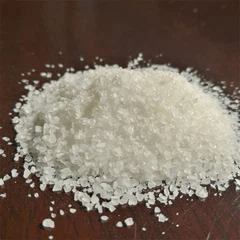
Granular aluminum sulfate is an important inorganic chemical product and are widely used in multiple industry fields. It is a granular solid substance made from bauxite through processes such as grinding, acidification, crystallization, etc. The production process of granular aluminum sulphate mainly includes steps such as bauxite beneficiation, grinding, acidification, crystallization, etc. Firstly, aluminite is extracted from bauxite through mineral processing technology, and then ground into a certain particle size.

CAS (Chemical Abstracts Service) Registry Number is a unique identifier that by entering the number you can search for the desired chemical name.

Aluminium Sulphate Octadecahydrate
Aluminum sulfate octahydrate is a chemical substance with the formula Al2 (SO4) 3 · 18H2O. Under normal temperature and pressure, Aluminium sulfate octahydrateis a white amorphous crystal or particle, soluble in water but insoluble in alcohol organic solvents. Aluminum sulphate octahydrate is stable in the air and begins to weather when the relative humidity is about 20%. It gradually heats up and melts, losing crystalline water at 250 ℃ and decomposing at higher temperatures.

Liquid aluminium sulphate also has good stability and solubility. It has a high solubility in water and can quickly dissolve and function. Meanwhile, liquid aluminum sulfate is relatively stable during storage and use, not easily decomposed or spoiled, and can maintain its effectiveness for a long time.

Among them, lump aluminium sulfate has a larger thickness and size compared to flake and granular shapes, which is determined by the traditional aluminum sulphate production process. The previous production crystallization process of aluminum sulfate was very backward in terms of crystallization method. Due to the lack of more efficient crystallization equipment, the use of disc crystallization method, which was usually crushed by manual or simple equipment, resulted in a very large crystallization thickness, especially, manual crushing caused uneven and large particle size blocks.
What Is Industrial Aluminum Sulphate
Industrial aluminum sulfate is a commonly used chemical substance, also known as aluminum sulphate. It is a salt compound formed by the reaction of sulfuric acid and aluminum salts. Industrial aluminium sulfate has various uses and is widely used in industries such as water treatment, papermaking, textiles, leather, printing and dyeing, pharmaceuticals, and building materials.
Advantages of Industrial Aluminum Sulphate
Effective coagulation
Industrial aluminum sulphate has a high coagulation potential, efficiently removing suspended particles and impurities from water and wastewater.
Cost-effective
Aluminium sulphate is economical for coagulation and clarification processes in water and wastewater treatment.
Versatility
Its ability to form liquid or solid solutions increases its versatility and adaptability to different industrial applications.
Environmental sustainability
Industrial aluminum sulphate aids in treating effluents, reducing the environmental impact of industrial processes and contributing to a more sustainable approach.
Improved water quality
It enhances potable water quality, ensuring that it meets safety standards and is suitable for consumption.
Enhanced paper quality
In paper production, industrial aluminum sulphate's sizing properties improve paper quality, which is essential in printing and publishing.
Do you know the truth about industrial aluminum sulfate?
Industrial aluminum sulphate is a commonly used chemical substance, also known as aluminum sulphate. It is a salt compound formed by the reaction of sulfuric acid and aluminum salts. Industrial aluminium sulphate has various uses and is widely used in industries such as water treatment, papermaking, textiles, leather, printing and dyeing, pharmaceuticals, and building materials. Industrial aluminium sulphate plays an important role in the field of water treatment. It can be used to purify impurities in water sources, such as suspended solids, organic matter, and heavy metal ions. Aluminum sulphate can react with these impurities to form precipitates, thereby improving water quality. In addition, aluminum sulphate can also be used to adjust the pH value of water to reach the desired range.
In the papermaking industry, industrial aluminum sulphate is widely used as a coagulant and filler. It can promote the bonding of fiber particles to form a sturdy paper. Meanwhile, aluminum sulphate can also improve the whiteness and glossiness of paper, giving it a better texture and appearance. Industrial aluminum sulphate also has important applications in the textile and leather industries. It can be used as a fixing agent for dyes, which can enhance the binding force between dyes and fibers or leather, and improve the firmness of dyeing. In addition, aluminum sulphate can also be used in the tanning process of leather, giving it good softness and durability.
In the pharmaceutical industry, industrial aluminum sulphate can be used as one of the components of drugs. It is often used as a hemostatic agent, which can promote blood coagulation and has a significant hemostatic effect. In the building materials industry, industrial aluminum sulphate can be used in the production process of cement. It can act as a coagulant, improving the hardness and strength of cement. In addition, aluminum sulphate can also be used in the manufacturing of waterproof coatings and preservatives. Industrial aluminum sulphate is a multifunctional chemical substance with a wide range of applications. It plays an important role in industries such as water treatment, papermaking, textiles, leather, printing and dyeing, pharmaceuticals, and building materials. Through appropriate use and control, industrial aluminum sulphate can help improve product quality and performance, meeting the needs of different industries.
The industrial aluminum sulfate commonly used has a wide range, but it is also necessary to pay attention to the operating techniques during use, and daily use is carried out in warm water. If the weather temperature is low, will it affect the water temperature and thus the product?
Industrial aluminum sulfate is usually dissolved in clean water at room temperature. Moreover, it was found through experiments that aluminum sulfate takes 90 minutes to completely dissolve in a room temperature aqueous solution, provided that stirring while dissolving can have a good effect. If the temperature of the water is close to 60 degrees Celsius, the dissolution rate can be increased. However, if it exceeds the rated value, it will affect and damage the molecular structure of aluminum sulfate, thereby affecting its effectiveness in use. In more experiments, it can be found that as long as the water temperature is not less than 4 degrees Celsius, it will not affect the dissolution of industrial aluminum sulfate. However, in low temperatures during winter, it is still necessary to pay attention to monitoring the temperature of the dissolution pool water not to be too low. And in winter, attention should also be paid to the storage of aluminum sulfate. If the temperature is too low, it is easy to freeze and harden, which will affect the subsequent dissolution process.
Top Industrial Uses for Industrial Aluminum Sulphate
As a mordant
Industrial aluminum sulphate is used as a mordant in the dyeing process. A mordant is a substances that aids the dye with becoming printed on a fabric or paper. When mixed with water, industrial aluminum sulphate creates the sludge-like aluminum hydroxide that aids textiles with the absorption of dye. It also makes the fabric's dye insoluble in water, so that the textile won' t bleed.
As a coagulant
Industrial aluminum sulphate' s biggest industrial use is as a coagulant in water treatment plants. As treating wastewater and potable water is such an integral aspect of modern infrastructure, industrial aluminum sulphate is used heavily. When mixed with water, industrial aluminum sulphate takes a number of forms with differing ionization levels, which can attract pollutants in the water and precipitate out, making them easier to be cleaned. This precipitation is known as sedimentation. The safe drinking water foundation explained that a majority of municipal treatment plants use industrial aluminum sulphate. Using aluminum-based coagulants can lead to slightly higher aluminum levels in the processed water, but usually at safe levels.
In paper manufacturing
Like with dyeing, industrial aluminum sulphate has largely been replaced in the world of paper making by modern developments, but it is still used in some paper' s pulp. The acidic chemical has been used to remove impurities from the water used to make paper. It is also used in the pulp itself to help bind materials, neutralize charges and in rosin sizing. Although acid-free paper without alum has become popular as a more durable option that is less likely to change colors.
Other uses
Industrial aluminum sulphate has also been used to help control algae growth in ponds, lakes and waterways. Gardeners also use this acidic compound with plants to adjust the ph level particularly basic soil. It has also been used in firefighting foam, deodorant, baking soda, leather making, fertilizer, soaps, drugs and chemical catalysts.
Precautions When Using Industrial Aluminum Sulphate
This substance/mixture contains no components considered to be either persistent, bioaccumulative and toxic (pbt), or very persistent and very bioaccumulative (vpvb) at levels of 0.1% or higher. Rinse cautiously with water for several minutes. Remove contact lenses, if present and easy to do. Continue rinsing. Immediately call a poison center/doctor. Show this safety data sheet to the doctor in attendance. If breathed in, move person into fresh air. If not breathing, give artificial respiration. Consult a physician. Skin contact: Wash off with soap and plenty of water. Consult a physician. Eye contac: Rinse thoroughly with plenty of water for at least 15 minutes and consult a physician. Swallowed: Never give anything by mouth to an unconscious person. Rinse mouth with water. Consult a physician. Important symptoms: The most important known symptoms and effects are described in the labelling section. Immediate medical attention: No data available
Use water spray, alcohol-resistant foam, dry chemical or carbon dioxide. Advice for firefighters: Wear self-contained breathing apparatus for firefighting if necessary. Personal precautions: Wear respiratory protection. Avoid dust formation. Avoid breathing vapours, mist or gas. Ensure adequate ventilation. Evacuate personnel to safe areas. Avoid breathing dust. Enviromental precautions: Do not let product enter drains method for containment: Pick up and arrange disposal without creating dust. Sweep up and shovel. Keep in suitable, closed containers for disposal. Personal precautions: Avoid formation of dust and aerosols. Provide appropriate exhaust ventilation at places where dust is formed. Enviromental precautions: Store in cool place. Keep container tightly closed in a dry and well-ventilated place.
Engineering controls: Handle in accordance with good industrial hygiene and safety practice. Wash hands before breaks and at the end of workday. Eye/face protection: Face shield and safety glasses. Skin protection: Handle with gloves. Gloves must be inspected prior to use. Use proper glove removal technique (without touching gloves outer surface) to avoid skin contact with this product. Dispose of contaminated gloves after use in accordance with applicable laws and good laboratory practices. Wash and dry hands. The selected protective gloves have to satisfy the specifications of eu directive 89/686/eec and the standard en 374 derived from it. If used in solution, or mixed with other substances, and under conditions which differ from en 374, contact the supplier of the ce approved gloves.

Industrial aluminum sulfate packaging: Solid products of industrial aluminum sulfate are packaged in plastic woven bags or plastic woven bags lined with polyethylene plastic film bags. The inner bags are tied with ropes or sealed with other equivalent methods. During the transportation of industrial aluminum sulfate, ensure that the container does not leak, collapse, fall or be damaged. During transportation, avoid exposure to sunlight, rain, and high temperatures.
The outer bag should be sewn firmly without any leakage or jumpers, and it is strictly prohibited to mix with oxidants and edible chemicals.Each bag has a net weight of 50 kilograms and can also be packaged according to the specifications requested by the user. The vehicle should be cleaned thoroughly after transportation. Industrial aluminum sulfate should pay attention to closed operation and strictly follow operating procedures. It is recommended that operators wear filter dust masks, anti-virus work clothes, and rubber gloves to avoid generating dust during operation.
Is Industrial Aluminum Sulfate Suitable For Acidic Sizing
Industrial aluminum sulfate is only suitable for acidic gluing, while iron free aluminum sulfate can be used for gluing in acidic and neutral environments, significantly weakening the corrosiveness of the system and making the treatment of white water easier; Polyaluminum chloride can maintain a high positive charge in the neutral or even alkaline range, without rapidly forming Al (OH) 3 precipitates like aluminum sulfate, and due to the pre hydrolysis of polyaluminum chloride, it does not lower the pH value of the system.
Aluminum sulfate is a white, glossy crystal, particle, or powder with a sweet taste that is stable in the air. At 86.5 ℃, some crystalline water was lost, and at 250 ℃, all crystalline water was lost. When heated, it expands violently and becomes sponge like, burning until red hot. When the relative humidity is about 25% lower, it weakens and is easily soluble in water, almost insoluble in ethanol, and the solution is acidic. After prolonged boiling, insoluble alkaline salts precipitate, and when combined with industrial aluminum sulfate for the treatment of turbid wastewater, the use of polyaluminum chloride can also achieve, or even accelerate, the turbidity removal effect.
However, due to its relatively high price and the short duration of industrial aluminum sulfate turbidity removal treatment, it is also possible to achieve this effect. Compared with ferrous sulfate, the sludge formed by aluminum salts is denser and can greatly reduce sludge treatment costs. Therefore, it is chosen as a coagulant in the treatment of turbid wastewater.
Our factory
Our company specialize in producing aluminium sulphate and now also is a well-known aluminum sulphate production factory in China with an annual output of industrial aluminum sulphate 150 thousand tons and of iron free grade 80 thousand. Established in 1989, specializing in aluminum sulphate production

Our certificate
FAQ
Hot Tags: industrial aluminum sulphate, China industrial aluminum sulphate manufacturers, suppliers, factory, international aluminum sulphate trade, food grade aluminum sulphate, premium aluminum sulphate, aluminum sulphate for industrial use, manufacturing aluminum sulphate, cosmetic grade aluminum sulphate
You Might Also Like


Send Inquiry