

Are there any precautions when using aluminum sulfate as a soil amendment?
Dec 19, 2025
Leave a message
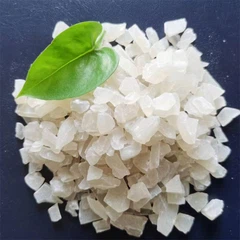
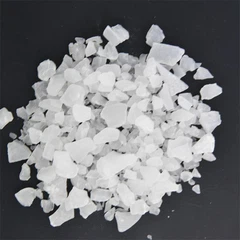
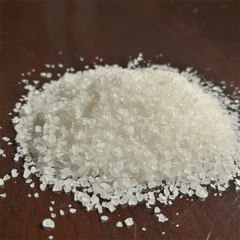
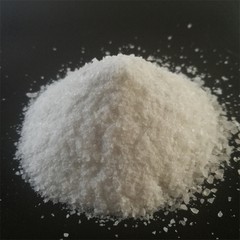
As a trusted supplier of aluminum sulfate soil amendments, I understand the significance of providing high - quality products to enhance soil conditions and promote plant growth. Aluminum sulfate, also known as alum, is a versatile compound widely used in agriculture and horticulture as a soil amendment. However, like any agricultural input, there are several precautions that users should take into account to ensure its safe and effective use.
Understanding Aluminum Sulfate as a Soil Amendment
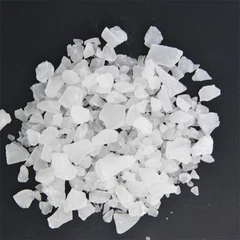
Aluminum sulfate is commonly used to lower the pH of alkaline soils. When added to the soil, it reacts with water and releases hydrogen ions, which in turn acidify the soil. This is particularly beneficial for acid - loving plants such as azaleas, rhododendrons, and blueberries, as they thrive in acidic soil conditions. In addition to pH adjustment, aluminum sulfate can also improve soil structure and enhance the availability of certain nutrients.
For more detailed information about our Aluminum Sulfate Soil Amendment, you can visit Aluminum Sulfate Soil Amendment.
Precautions when Using Aluminum Sulfate
1. Soil Testing
Before applying aluminum sulfate, it is crucial to conduct a thorough soil test. This will help you determine the current pH level of the soil, as well as its nutrient content. Over - acidifying the soil can be detrimental to plant health, causing nutrient imbalances and potentially toxic conditions. A soil test will provide you with the exact amount of aluminum sulfate needed to achieve the desired pH level.
For example, if the soil pH is only slightly alkaline, a small amount of aluminum sulfate may be sufficient. On the other hand, highly alkaline soils may require a larger application. By following the recommendations based on the soil test results, you can avoid over - or under - application of the amendment.
2. Application Rate and Method
The application rate of aluminum sulfate depends on various factors, including the type of soil, the desired pH change, and the type of plants being grown. It is important to follow the manufacturer's instructions carefully. Generally, aluminum sulfate is applied to the soil surface and then incorporated into the top few inches of soil. This can be done using a tiller, a rake, or a garden fork.
Over - application of aluminum sulfate can lead to an excessive decrease in soil pH, which can make the soil too acidic for most plants. This can cause aluminum toxicity, as high levels of available aluminum in the soil can inhibit root growth and nutrient uptake. Moreover, it can also leach into groundwater, potentially causing environmental problems.
3. Compatibility with Other Fertilizers and Chemicals
Aluminum sulfate may react with other fertilizers and chemicals commonly used in agriculture and horticulture. For instance, it can react with lime, which is used to raise soil pH. If these two substances are applied simultaneously or in close proximity, they can neutralize each other's effects, resulting in ineffective soil treatment.
Before combining aluminum sulfate with other products, it is advisable to consult a professional or refer to product labels for compatibility information. This will ensure that you do not create adverse chemical reactions in the soil that could harm your plants.
4. Environmental Impact
Although aluminum is a naturally occurring element in the soil, excessive use of aluminum sulfate can have negative environmental impacts. As mentioned earlier, over - application can lead to aluminum leaching into groundwater. High levels of aluminum in water bodies can be toxic to aquatic organisms, affecting their growth and reproduction.


To minimize environmental risks, it is important to use aluminum sulfate responsibly. This includes using the recommended application rates, avoiding application near water sources such as rivers, lakes, and wells, and monitoring the soil and water quality regularly.
5. Safety Precautions
Aluminum sulfate is a chemical compound and should be handled with care. It is recommended to wear protective clothing, including gloves and goggles, when handling and applying aluminum sulfate. In case of skin or eye contact, it is important to rinse the affected area immediately with plenty of water. If ingested, seek medical attention immediately.
Store aluminum sulfate in a cool, dry place away from children and pets. Keep it out of reach of food and feed products to prevent accidental contamination.
Benefits of Our Aluminum Sulfate Soil Amendment
Our Aluminium Sulphate Fertilizer is of the highest quality, carefully formulated to provide the best results for your soil and plants. We source our raw materials from reliable suppliers and use advanced manufacturing processes to ensure consistency and purity.
Our product is designed to be easy to use, with clear instructions on application rates and methods. Whether you are a professional farmer or a home gardener, our aluminum sulfate soil amendment can help you achieve the optimal soil conditions for your plants.
Conclusion
Aluminum sulfate can be a valuable tool for soil amendment when used correctly. By taking the necessary precautions, such as conducting soil tests, following proper application rates and methods, considering compatibility with other products, minimizing environmental impacts, and observing safety measures, you can ensure the safe and effective use of this product.
If you are interested in purchasing our high - quality aluminum sulfate soil amendment, we invite you to contact us for further details and to discuss your specific requirements. Our team of experts is ready to provide you with the best advice and support to help you achieve the best results for your soil and plants.
References
- Brady, N. C., & Weil, R. R. (2008). The nature and properties of soils. Pearson Prentice Hall.
- Marschner, P. (2012). Mineral nutrition of higher plants. Academic Press.
Send Inquiry