

Can ferric aluminium sulphate be used in air purification?
Jan 22, 2026
Leave a message
Can ferric aluminium sulphate be used in air purification?
As a leading supplier of ferric aluminium sulphate, I often encounter inquiries regarding the various applications of our product. One commonly asked question is whether ferric aluminium sulphate can be used in air purification. In this blog, I'll delve into the science behind it, explore its potential in air - related applications, and guide you on how our product can be a part of potential air purification strategies.
Ferric aluminium sulphate is a chemical compound with the general formula that combines iron (ferric), aluminium, and sulphate ions. It is well - known for its use in water treatment processes. In water treatment, it effectively removes suspended particles, colloids, and some dissolved organic matter through coagulation and flocculation mechanisms. When added to water, ferric aluminium sulphate dissociates in water, forming positively charged ions. These ions neutralize the negative charges on the surface of suspended particles, causing them to aggregate into larger flocs that can be easily separated by sedimentation or filtration.
When considering air purification, the mechanism of traditional air purification methods usually involves filtration, adsorption, or chemical reactions. For example, HEPA filters physically trap particles, activated carbon adsorbs volatile organic compounds (VOCs) and odors, and some advanced air purification systems use photocatalysis or plasma to break down pollutants.
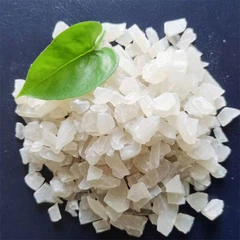
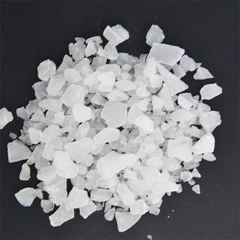
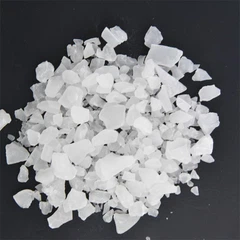
Let's first think about the possible role of ferric aluminium sulphate from a physical perspective. The compound exists in solid forms such as flakes in our product line Aluminum Sulphate Flake. Similar to its action in water treatment, in theory, if ferric aluminium sulphate can be properly dispersed in the air - treatment system, the positively charged ions it releases might be able to neutralize the electrostatic charges of airborne particles like dust, pollen, and some fine particulate matter (PM). These particles can then agglomerate into larger clumps, which could be more easily captured by traditional filtration systems. This indirect approach might enhance the overall efficiency of air filtration systems.
In terms of chemical reactions, certain air pollutants like some acidic gases such as sulfur dioxide (SO₂) and nitrogen oxides (NOₓ) are a concern in air quality. Ferric aluminium sulphate has the potential to participate in chemical reactions with these acidic gases. The metal ions in ferric aluminium sulphate could act as catalysts or reactants in some chemical processes. For example, the iron ions might be involved in redox reactions with SO₂, converting it into a less harmful form. However, the exact reaction conditions and efficiency need to be carefully studied and optimized.
Another aspect of air purification is dealing with biological contaminants such as bacteria and viruses. Some studies have shown that metal - based compounds can have antibacterial and antiviral properties. The metal ions in ferric aluminium sulphate might disrupt the cell membranes or metabolic processes of microorganisms. Although more research is needed in this area, there is a possibility that ferric aluminium sulphate could contribute to the reduction of airborne biological contaminants.
However, there are also challenges and limitations. One major concern is the proper dispersion of ferric aluminium sulphate in the air. Unlike in water treatment, where it can be easily dissolved and mixed, in air, ensuring an even distribution of the compound is difficult. If not dispersed properly, it may not achieve the desired purification effect and could even cause secondary pollution in the form of dust.
Another issue is the potential impact on human health. Although ferric aluminium sulphate is widely used in water treatment, inhaling it in large quantities may have negative effects on the respiratory system. Therefore, strict safety measures and dosage control are necessary if it is to be used in air purification.
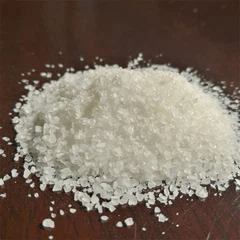
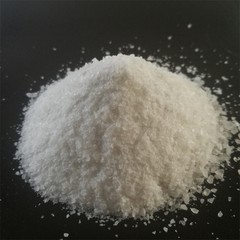
Our company offers high - quality ferric aluminium sulphate products, including HS CODE28332200 ALUMINUM SULPHATE and Industrial Aluminum Sulphate. These products are manufactured with strict quality control to ensure their purity and performance.
If you are in the field of air purification research, product development, or are operating an air - treatment business, we encourage you to explore the potential of our ferric aluminium sulphate products. The unique chemical properties of our product may offer new solutions and possibilities for your air purification needs.


We understand that every application may require specific formulations and parameters. Our experienced technical team is ready to work with you. We can provide customized solutions based on your project requirements, whether it's adjusting the concentration, particle size, or other characteristics of our ferric aluminium sulphate.
Furthermore, we can offer in - depth technical support and consultation. We have conducted numerous experiments and studies on the properties and applications of ferric aluminium sulphate, and our knowledge can be invaluable in helping you optimize your air purification processes.
If you're interested in learning more about how our ferric aluminium sulphate can enhance your air purification systems, we invite you to reach out. Start a procurement dialogue with us and together, we can explore the exciting potential of using ferric aluminium sulphate in the realm of air purification.
References
- Water Treatment Principles and Design by Metcalf & Eddy.
- Air Quality and Control Engineering by David C. Montgomery.
- Research papers on metal - based compounds for air purification from various scientific journals.
Send Inquiry