

Is non iron aluminum sulphate a hazardous material?
Jan 22, 2026
Leave a message
Is non iron aluminum sulphate a hazardous material? This is a question that often comes up in our field, especially among those involved in industries that rely on this chemical compound. As a supplier of non iron aluminum sulphate, it's crucial to address this concern comprehensively and provide accurate information to our customers.
Understanding Non Iron Aluminum Sulphate
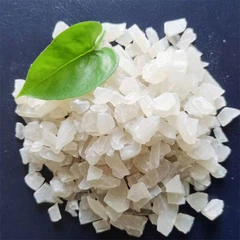
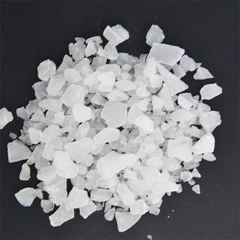
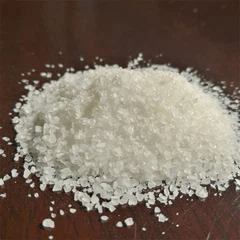
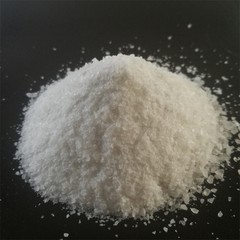
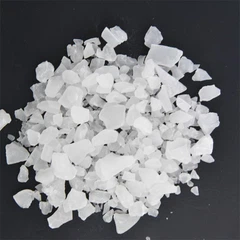
Non iron aluminum sulphate, chemically represented as Al₂(SO₄)₃, is a white, crystalline salt that is commonly used in various industrial and water treatment processes. It is a key ingredient in many products, known for its versatility and effectiveness. Unlike regular aluminum sulphate, non iron aluminum sulphate is refined to remove iron impurities, which makes it suitable for applications where the presence of iron could cause discoloration or other issues.
One of the primary uses of non iron aluminum sulphate is in water treatment. It is an effective coagulant, which means it helps to clump together small particles in water, making them easier to remove through filtration. This process is essential for purifying drinking water, treating wastewater, and clarifying industrial process water. Additionally, it is used in the paper industry to size paper, in the textile industry for dyeing and printing, and in the food industry as a food additive.
Hazardous Material Classification
To determine whether non iron aluminum sulphate is a hazardous material, we need to look at its properties and the potential risks associated with its use. The classification of a substance as hazardous is typically based on international standards and regulations, such as those set by the Globally Harmonized System of Classification and Labelling of Chemicals (GHS).
From a chemical perspective, non iron aluminum sulphate is considered to have a relatively low toxicity. According to the GHS, it is classified as an irritant to the skin, eyes, and respiratory tract. This means that direct contact with the substance can cause redness, itching, and irritation. Inhalation of dust or mist can irritate the nose, throat, and lungs, leading to coughing, shortness of breath, and other respiratory symptoms.
However, it's important to note that these effects are usually mild and can be easily managed with proper safety precautions. For example, wearing protective clothing, gloves, and eye protection when handling non iron aluminum sulphate can significantly reduce the risk of skin and eye contact. Using appropriate ventilation systems in work areas can prevent the inhalation of dust or mist.
Safety Measures and Handling
As a responsible supplier of non iron aluminum sulphate, we are committed to providing our customers with the necessary information and guidance on how to handle this product safely. Here are some general safety measures that should be followed when working with non iron aluminum sulphate:
- Personal Protective Equipment (PPE): Always wear appropriate PPE, including gloves, goggles, and a dust mask or respirator when handling the product. This will protect your skin, eyes, and respiratory system from potential irritation.
- Ventilation: Ensure that work areas are well-ventilated to prevent the buildup of dust or mist. If possible, use local exhaust ventilation systems to capture and remove the product from the air.
- Storage: Store non iron aluminum sulphate in a cool, dry place away from incompatible substances, such as strong acids or bases. Keep the product in tightly sealed containers to prevent moisture absorption and contamination.
- ** Handling**: Avoid direct contact with the product. If contact occurs, immediately wash the affected area with plenty of water. If inhalation occurs, move to a well-ventilated area and seek medical attention if symptoms persist.
- Spill Cleanup: In case of a spill, immediately contain the spill and prevent it from spreading. Wear appropriate PPE and use a shovel or broom to sweep up the spilled material. Place the collected material in a sealed container for proper disposal.
Environmental Impact
In addition to human health considerations, it's also important to assess the environmental impact of non iron aluminum sulphate. When used in water treatment, it can help to improve water quality by removing contaminants and reducing turbidity. However, excessive use or improper disposal of the product can have negative effects on the environment.
Non iron aluminum sulphate can lower the pH of water, making it more acidic. This can be harmful to aquatic life, especially fish and other sensitive organisms. To minimize the environmental impact, it's important to use the product in accordance with recommended dosages and to ensure proper disposal of any waste material.
Conclusion
In conclusion, non iron aluminum sulphate is not considered a highly hazardous material. While it can cause mild irritation to the skin, eyes, and respiratory tract, these effects can be easily managed with proper safety precautions. When used and handled correctly, it is a valuable and effective chemical compound that plays an important role in many industries.
As a supplier of non iron aluminum sulphate, we are dedicated to providing our customers with a high-quality product that meets the highest safety and environmental standards. We offer a range of products, including Reagent Grade Aluminum Sulphate, Aluminium Sulphate 17, and Non Iron Aluminum Sulphate, to meet the diverse needs of our customers.


If you are interested in learning more about our non iron aluminum sulphate products or have any questions about its safety and use, please do not hesitate to contact us. We look forward to discussing your requirements and providing you with the best solutions for your business.
References
- Globally Harmonized System of Classification and Labelling of Chemicals (GHS). United Nations.
- Material Safety Data Sheet (MSDS) for Non Iron Aluminum Sulphate. [Supplier's Name].
Send Inquiry