

Can 16% aluminum sulphate be used in the cosmetic industry?
Jan 12, 2026
Leave a message
Can 16% Aluminum Sulphate Be Used in the Cosmetic Industry?
As a supplier of 16% aluminum sulphate, I often get asked about the potential applications of our product, especially in industries like cosmetics. In this blog, we'll explore the feasibility and implications of using 16% aluminum sulphate in the cosmetic industry.
Understanding 16% Aluminum Sulphate
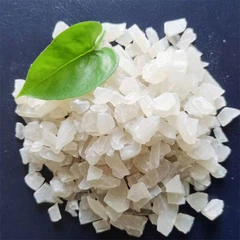
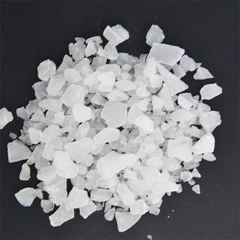
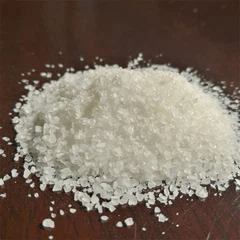
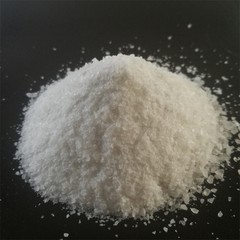
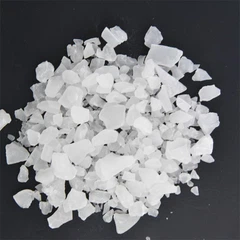
Before delving into its cosmetic applications, let's first understand what 16% aluminum sulphate is. Aluminum sulphate is a chemical compound with the formula Al₂(SO₄)₃. The 16% refers to its concentration or purity level in a particular formulation. Our 16% Aluminum Sulphate is carefully produced to meet high - quality standards and is available in various forms, such as Non Iron Aluminum Sulphate and Iron Free Aluminum Sulphate Flakes.
Properties of Aluminum Sulphate Relevant to Cosmetics
Aluminum sulphate has several properties that could potentially make it useful in the cosmetic industry.
-
Astringent Properties: Aluminum sulphate acts as an astringent. Astringents cause the contraction of body tissues, which can be beneficial in cosmetics. For example, in skincare products, an astringent can help to tighten pores, reducing their appearance and preventing the entry of dirt and bacteria. This can lead to a smoother and more even complexion. It can also be used in after - shave lotions to reduce the irritation caused by shaving and to shrink blood vessels on the skin's surface, thus preventing bleeding from small cuts.
-
Antiperspirant Function: Aluminum salts, including aluminum sulphate, are known for their antiperspirant properties. In antiperspirant products, they work by creating a gel - like plug in the sweat ducts. This plug temporarily blocks the flow of sweat to the skin's surface, reducing perspiration. While there are other aluminum compounds more commonly used in antiperspirants like aluminum chlorohydrate, aluminum sulphate could potentially serve a similar function.
-
Preservative Qualities: Aluminum sulphate can have some preservative effects. In cosmetics, preserving the product is crucial to prevent the growth of bacteria, fungi, and other microorganisms. By inhibiting the growth of these contaminants, the shelf - life of the cosmetic product can be extended, ensuring its safety and efficacy for a longer period.
Regulatory Considerations
However, the use of 16% aluminum sulphate in the cosmetic industry is not without regulatory challenges. Cosmetics are highly regulated products, and the safety of the ingredients used is of utmost importance.
The Cosmetic Ingredient Review (CIR) Expert Panel, which assesses the safety of cosmetic ingredients in the United States, and similar regulatory bodies in other countries, carefully evaluate the use of chemicals in cosmetics. Aluminum sulphate is generally recognized as safe (GRAS) for certain food and industrial uses, but its use in cosmetics must meet specific safety criteria.
One of the concerns is the potential for aluminum to be absorbed into the body. Although most aluminum compounds used in cosmetics are considered to have low systemic absorption, long - term or high - level exposure to aluminum has been associated with some health risks, such as potential links to Alzheimer's disease and breast cancer. However, numerous scientific studies have not conclusively proven these associations.
Regulatory bodies require extensive testing to ensure that the level of aluminum sulphate used in cosmetics is safe for consumers. This includes testing for acute and chronic toxicity, irritation potential, and allergenicity.
Case Studies and Research
There are limited case studies specifically on the use of 16% aluminum sulphate in cosmetics. However, studies on related aluminum compounds can provide some insights.
For example, research on aluminum - based antiperspirants has shown that they are generally safe when used as directed. The amount of aluminum absorbed through the skin is minimal, and the body has natural mechanisms to eliminate the small amounts of absorbed aluminum.
In terms of astringent applications, some traditional herbal and natural skin - care products have used substances with astringent effects for centuries. While these are not directly related to 16% aluminum sulphate, they illustrate the potential value of astringent properties in cosmetics.
Challenges in Cosmetic Application
Beyond regulatory issues, there are other challenges in using 16% aluminum sulphate in cosmetics.
- Formulation Compatibility: Iron - free and 16% aluminum sulphate needs to be compatible with other ingredients in the cosmetic formulation. Some ingredients may react with aluminum sulphate, affecting the stability and performance of the product. For example, it may react with certain oils or emulsifiers, causing changes in texture or even separation of the product.
- Sensory Attributes: The presence of 16% aluminum sulphate in a cosmetic product can affect its sensory properties. It may leave a dry or sticky feeling on the skin, which may not be desirable for consumers. Cosmetics are often evaluated based on their feel, smell, and appearance, and the addition of aluminum sulphate needs to meet these sensory requirements.
Conclusion
In summary, 16% aluminum sulphate has the potential to be used in the cosmetic industry due to its astringent, antiperspirant, and preservative properties. However, its use is subject to strict regulatory requirements, and there are challenges related to formulation and sensory aspects.
As a supplier of high - quality 16% aluminum sulphate, we understand the importance of safety and quality in cosmetic applications. We are committed to working with cosmetic manufacturers to meet their specific needs while ensuring compliance with all relevant regulations.


If you are a cosmetic manufacturer interested in exploring the use of 16% aluminum sulphate in your products, we would be delighted to discuss your requirements further. Contact us to start a conversation about how our 16% Aluminum Sulphate can be a valuable addition to your cosmetic formulations.
References
- Cosmetic Ingredient Review (CIR) reports on aluminum compounds.
- Scientific studies on the safety and efficacy of aluminum - based antiperspirants.
- Literature on the use of astringents in traditional and modern cosmetics.
Send Inquiry