

What is the impact of aluminum sulphate on the dissolved oxygen in water?
Jan 09, 2026
Leave a message
Aluminum sulphate, a widely used chemical compound, has various applications across different industries. As a supplier of high - quality aluminum sulphate products, including Industrial Aluminum Sulphate, Granular Aluminum Sulfate, and Ferric Aluminium Sulphate, I am often asked about its impact on the environment, especially on the dissolved oxygen in water. In this blog, we will explore the relationship between aluminum sulphate and dissolved oxygen in water, aiming to provide a comprehensive understanding for both professionals and the general public.
Understanding Dissolved Oxygen in Water
Dissolved oxygen (DO) is a crucial parameter in aquatic ecosystems. It refers to the amount of oxygen gas that is dissolved in water. Aquatic organisms, such as fish, invertebrates, and aerobic bacteria, rely on dissolved oxygen for respiration. Adequate levels of dissolved oxygen are essential for maintaining a healthy and balanced aquatic environment. The amount of dissolved oxygen in water can be affected by various factors, including temperature, salinity, water movement, and the presence of pollutants or chemicals.
Aluminum Sulphate: Properties and Applications
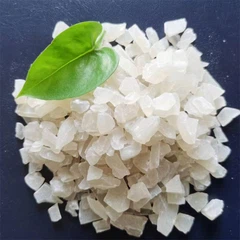
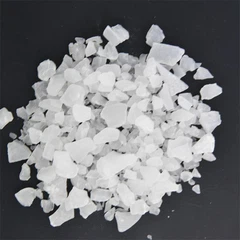
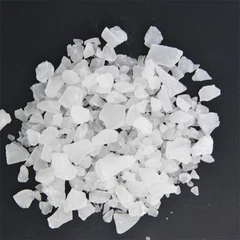
Aluminum sulphate, with the chemical formula Al₂(SO₄)₃, is a white crystalline solid that is highly soluble in water. It is commonly used in water treatment processes, papermaking, textile dyeing, and as a soil conditioner. In water treatment, aluminum sulphate acts as a coagulant. When added to water, it forms positively charged aluminum hydroxide flocs. These flocs attract and trap negatively charged particles, such as suspended solids, bacteria, and organic matter, causing them to settle to the bottom of the water body, thus clarifying the water.
Impact of Aluminum Sulphate on Dissolved Oxygen
Direct Impact
In general, aluminum sulphate itself does not directly consume dissolved oxygen in water. It is an inorganic compound that does not undergo oxidation reactions that would deplete oxygen. However, the addition of aluminum sulphate to water can cause physical and chemical changes that indirectly affect dissolved oxygen levels.
Indirect Impact through Coagulation and Sedimentation
When aluminum sulphate is used as a coagulant in water treatment, the formation and settling of flocs can have an impact on dissolved oxygen. As the flocs settle, they can carry with them some of the organic matter present in the water. This organic matter can be decomposed by aerobic bacteria at the bottom of the water body. During the decomposition process, bacteria consume oxygen, which can lead to a decrease in dissolved oxygen levels in the water, especially in the bottom layers.
The rate of oxygen consumption by bacteria depends on several factors, including the amount of organic matter present, the temperature of the water, and the activity of the bacteria. In warmer water, the metabolic rate of bacteria is higher, and they consume oxygen at a faster rate. If a large amount of organic matter is carried to the bottom by the flocs, it can result in a significant drop in dissolved oxygen levels, potentially leading to hypoxic or anoxic conditions in the sediment - water interface.
Impact on Aquatic Life
A decrease in dissolved oxygen levels can have serious consequences for aquatic life. Fish and other aerobic organisms require a certain minimum level of dissolved oxygen to survive. When dissolved oxygen levels fall below the critical threshold, fish may experience stress, reduced growth, and even death. Additionally, low dissolved oxygen levels can also affect the behavior and distribution of other aquatic organisms, such as invertebrates and zooplankton.
Impact on Water Chemistry
The addition of aluminum sulphate can also change the pH of the water. Aluminum sulphate hydrolyzes in water to produce hydrogen ions, which can lower the pH of the water. A change in pH can affect the solubility of oxygen in water. Generally, as the pH decreases, the solubility of oxygen also decreases slightly. However, the magnitude of this effect is relatively small compared to the impact of organic matter decomposition on dissolved oxygen levels.


Mitigating the Impact
To minimize the negative impact of aluminum sulphate on dissolved oxygen in water, several measures can be taken.
Optimal Dosage
Using the appropriate dosage of aluminum sulphate is crucial. Over - dosing can lead to the formation of excessive flocs and the carry - over of a large amount of organic matter, increasing the risk of oxygen depletion. Water treatment operators should carefully monitor the water quality and adjust the dosage of aluminum sulphate based on the characteristics of the raw water, such as turbidity and organic matter content.
Aeration
Aeration is an effective way to increase dissolved oxygen levels in water. By introducing air or oxygen into the water, aeration can replenish the oxygen that is consumed during the decomposition of organic matter. In water treatment plants, aeration can be achieved through various methods, such as diffused aeration, mechanical aeration, or cascade aeration.
Monitoring and Management
Regular monitoring of dissolved oxygen levels in water is essential. Water treatment facilities should continuously monitor the dissolved oxygen levels before and after the addition of aluminum sulphate. If a significant decrease in dissolved oxygen is detected, appropriate measures can be taken, such as adjusting the dosage of aluminum sulphate, increasing aeration, or modifying the treatment process.
Our Aluminum Sulphate Products and Quality Assurance
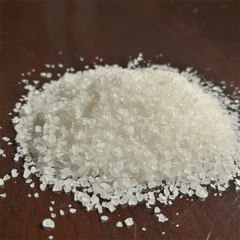
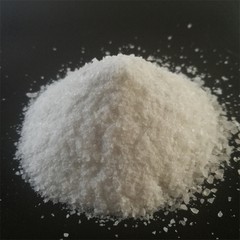
As a leading supplier of aluminum sulphate, we offer a wide range of high - quality products, including Industrial Aluminum Sulphate, Granular Aluminum Sulfate, and Ferric Aluminium Sulphate. Our products are manufactured using advanced production processes and strict quality control measures to ensure their effectiveness and safety.
We understand the importance of minimizing the environmental impact of our products. Our technical team can provide professional advice on the proper use of aluminum sulphate to help our customers achieve the best water treatment results while minimizing the impact on dissolved oxygen and the overall aquatic environment.
Contact Us for Procurement
If you are interested in purchasing our aluminum sulphate products or have any questions about their application and impact on water quality, please feel free to contact us. We are committed to providing you with high - quality products and excellent customer service. Our team of experts is ready to assist you in finding the most suitable aluminum sulphate solution for your specific needs.
References
- Sawyer, C. N., McCarty, P. L., & Parkin, G. F. (2003). Chemistry for Environmental Engineering and Science. McGraw - Hill.
- Metcalf & Eddy. (2003). Wastewater Engineering: Treatment and Reuse. McGraw - Hill.
- APHA, AWWA, & WEF. (2012). Standard Methods for the Examination of Water and Wastewater. American Public Health Association.
Send Inquiry