

Iron Free Aluminum Sulphate Flakes
Company Introduction
Our company specialize in producing aluminium sulphate and now also is a well-known aluminum sulphate production factory in China with an annual output of industrial aluminum sulphate 150 thousand tons and of iron free grade 80 thousand. Established in 1989, specializing in aluminum sulphate production.
Why Choose Us
Our factory
Established in 1989, specializing in aluminum sulphate production. Our company specialize in producing aluminium sulphate and now also is a well-known aluminum sulphate production factory in China with an annual output of industrial aluminum sulphate 150 thousand tons and of iron free grade 80 thousand.
Our product
Aluminum Sulphate, Iron Free Aluminum Sulfate, Aluminum Sulphate For Water Treatment, Aluminum Sulfate Fertilizer, Electronic Grade Aluminum Sulfate.
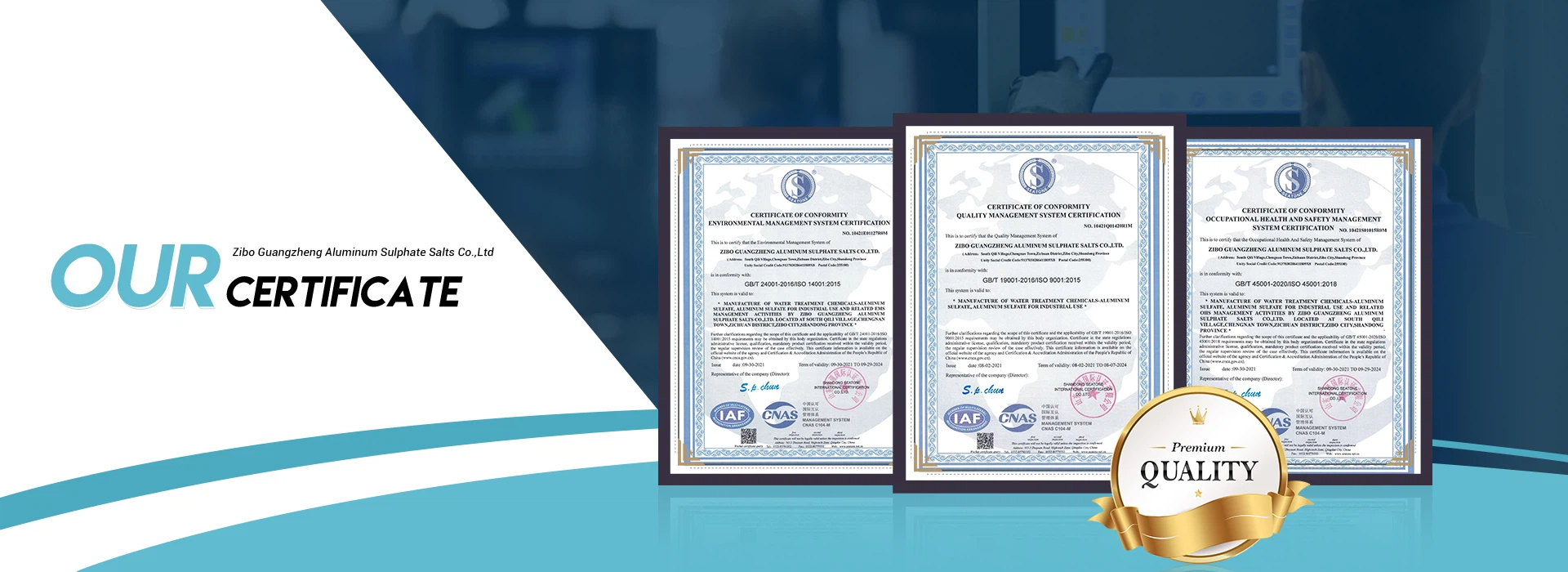
Our certificate
ISO 9001:2015; ISO 14001:2015; ISO45001:2018.
Production Equipment
Raymondmill,Reaction Kettles,Crystallization devices.
Related Product

According to the Industry standard HG/T2225-2018, aluminum sulfate content, especially aluminum oxide content, can be classified into 15.6% aluminum sulfate, 15.8% aluminIum sulfate, 16% aluminum sulphate, and 17% aluminum sulphate. Among them, 15.6% -15.8% aluminium sulfate usually referr to industrial grade low iron aluminum sulfate, with iron content generally below 0.5%.

16% aluminum sulfate, also known as 16% iron free aluminum sulfate, is currently the most common aluminum sulfate content and belongs to the category of inorganic chemical aluminum salts. 16% aluminum sulfate has stable content, and not easy to absorb moisture and clump, and has obvious flocculation effect, which get good market feedback.

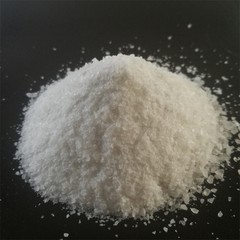
Iron Free Aluminum Sulphate Powder
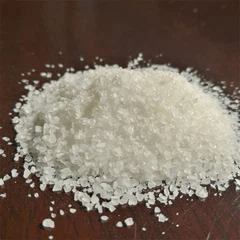
Iron free aluminum sulfate is a common inorganic compound with the molecular formula Al2 (SO4) 3. Iron free aluminum sulfate is a white or light yellow solid powder that is easily soluble in water and can form weakly acidic solutions. Iron free aluminum sulfate has a wide range of applications in industry and daily life.

At present, the global market generally requires 17% aluminum sulfate content. Compared to 16% aluminum sulfate, the production process of 17% aluminum sulfate powder has higher requirements because it needs to ensure the effective content of the product. Under the requirement of high alumina content, the technical requirements for aluminum sulfate production are also very high.

Aluminum sulfate non ferric, also known as iron free aluminum sulfate, or non ferric aluminum sulfate, is relative to low iron aluminum sulfate. According to the Chinese aluminum sulfate industry standard HG/T-2225-2018 class I standard, the aluminum oxide of aluminium sulfate non ferric content is required to be no less than 16%, and the iron content is required to be no more than 0.01%, and the pH value is greater than or equal to 3.0. Compared to the low iron aluminum sulfate with 15.8% aluminum oxide content and 0.5% iron content, the quality has improved significantly.

Reagent Grade Aluminum Sulphate
Reagent grade aluminum sulfate is a product made by purification process on the basis of ordinary aluminum sulfate, with a white crystalline particle or powder appearance. Reagent grade aluminium sulfate has a wide range of applications, and can be used as analytical reagents, tanning agents, etc. It can also be used to make artificial gemstones and high-purity aluminates.

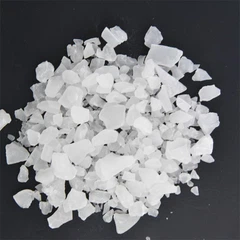
Non Ferric 17% Aluminum Sulphate Flakes
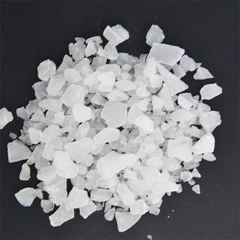
The product contains 18 crystalline water. At room temperature, the crystals that precipitate from the aqueous solution are aqueous crystals, namely AL2 (SO4) 3-18H2O; When it is weathered, its average molecular composition is AL2 (SO4) 3.14H2O. It can be in the form of white powder, shiny flakes or crystalline small flakes, odorless, and changes from sweet to slightly astringent.

Iron Free Aluminum Sulphate Granules
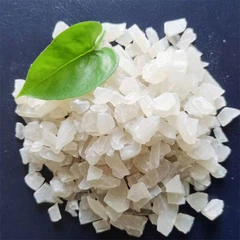
Iron free aluminum sulphate granules are white kibbles or blocks, with white glossy crystals. Stable in the air. At 86.5 ℃, and some crystalline water is lost, and at 250 ℃, all crystalline water is lost. When heated, it expands violently and turns into a sponge like substance. When burned to red heat, it decomposes into sulfur trioxide and aluminum oxide. Weathering occurs when the relative humidity is about 25% lower. Easy to dissolve in water, almost insoluble in ethanol, and the solution of iron free aluminium sulphate granules is acidic.

In the paper industry, non iron aluminum sulphate is used as the precipitator of rosin size, wax lotion and other sizing materials, as the flocculant in water treatment, as well as as the retention agent of foam fire extinguishers, raw materials for manufacturing alum and aluminum white, as well as raw materials for oil decolorization, deodorant and some drugs. non iron aluminum sulfate can also manufacture artificial gemstones and high-grade ammonium alum. Non iron aluminum sulphate with arsenic content not exceeding 5mg/kg can be used as water treatment flocculants.
What Are Iron Free Aluminum Sulphate Flakes
Aluminum sulfate can be divided into two categories: Iron free aluminum sulphate flakes(or non ferric aluminum sulphate flakes ) and low ferric aluminum sulfate. This is mainly because the raw materials used in the production of Iron free aluminium sulfate flake and low ferric aluminum sulfate flake are different. Raw materials for iron free aluminum sulphate flake are mainly liquid sulfuric acid and aluminum hydroxide powder, while low ferric aluminum sulfate is mainly produced by reacting aluminum ore and liquid sulfuric acid. Due to the different raw materials, their quality also varies.
Advantages of Iron Free Aluminum Sulphate Flakes
Reduces production costs
Iron free aluminum sulphate flakes can be used to fill inexpensive calcium carbonate fillers, which not only reduces production costs, improves the whiteness and folding resistance of paper, but also overcomes the inevitable drawbacks of synthetic slurries such as akd. (such as slipping and difficulty in controlling the degree of glue application).
Can be used for gluing in acidic and neutral environments
Industrial aluminum sulfate is only suitable for acidic gluing, while iron free aluminum sulphate flakes can be used for gluing in acidic and neutral environments, significantly weakening the corrosiveness of the system and making white water treatment easier.
Widely used
Iron free aluminum sulphate flakes is also widely used in the production of clarifier, oil deodorant and decolorant, concrete waterproof agent, paper forging white, titanium dioxide post membrane treatment, catalyst carrier.
Low degree of hydrolysis
It is a pre hydrolysis product of aluminum chloride, with a relatively low degree of hydrolysis, and the decrease in pulp ph value is smaller than that of aluminum sulfate.
Storage Regulations For Iron Free Aluminum Sulphate Flakes
The liquid shape of iron free aluminum sulphate flakes is different from its solid shape, not only in terms of content and practical application, but also in terms of packaging and storage. The actual storage regulations are as follows. Choose corrosion-resistant raw materials for transportation, such as using high-pressure polyethylene drums, stainless steel tanks, or tank trucks. When packaging, leave a certain indoor space in the container and do not let it float full. Iron free aluminum sulfate is an acid-base drug. In addition to packaging, storage, and transportation, special tools, pipelines, and reaction tanks used in practical operations must have certain anti-corrosion effects. Do not mix and transport with other drugs.
Iron free aluminum sulphate flakes will not cause smoke and dust environmental pollution, but it is necessary to wear rubber gloves, etc. Handle with care during transportation. When storing, it is necessary to eliminate the use of soul inducing lamps, heat sources, and separation from reducing agents. The storage area should always have suitable raw materials available to rescue leaked materials. Iron free aluminum sulfate can be used as a turbid water purification agent, or as a precipitant, color fixative, filler, etc. It can even be used as a raw material (astringent) for anti sweat cosmetics.
Low iron aluminum sulfate liquid is an inorganic substance with the chemical formula al2 (so4) 3, a formula of 342.15, and a density of 1.181g/ml (25 ℃). Iron free aluminum sulphate flakes is a white crystalline substance that is easily soluble in water and insoluble in alcohol. The aqueous solution is acidic, and the dehydration temperature is 86.5 ℃. When heated to 250 ℃, the crystalline water is lost. Anhydrous aluminum sulfate begins to decompose when heated to 300 ℃. Anhydrous substance is a white crystal with a pearl like luster. But for many users, they are unaware of the differences between them. Next, let's take a closer look at the different performance aspects of these two.
The difference between low iron aluminum sulfate liquid and iron free aluminum sulphate flakes is mainly compared from two aspects. Low iron aluminum sulfate liquid is odorless, hygroscopic, and has a density of 1.69 grams per milliliter (25 ℃). Iron free aluminum sulphate flakes is a solid product, white in granular or block form, with a density of 2.71 grams per milliliter. The common understanding is that the former is gray white with a hint of green, while the latter is pure white. Low iron aluminum sulfate liquid is mainly used for paper making and water purification, as a mordant, tanning agent, medicinal astringent, wood preservative, foam fire extinguishing agent, effective crosslinking agent of animal glue and curing agent of urea formaldehyde glue. Iron free aluminum sulphate flakes is used in papermaking, special water treatment, titanium dioxide production, and fillers. Low iron aluminum sulfate liquid involves drinking water. Aluminum sulfate is a professional drinking water treatment agent that purifies low-temperature and low turbidity natural water sources. It can effectively remove impurities such as suspended solids, colloids, algae, sediment, and heavy metals in natural water sources. It is mainly used for the purification treatment of tap water raw water and is also widely used in the food processing industry. The main difference between the two lies in their morphology and purity. Different industries can choose high-purity iron free aluminum sulphate flakes or low-purity low iron aluminum sulfate liquid according to actual needs.
Market Development Trends of Iron Free Aluminum Sulphate Flakes
Rising demand for water treatment chemicals in various industries such as municipal water treatment, pulp & paper, and textiles is driving the growth of the iron free aluminum sulphate flakes market. The increasing use of iron free aluminum sulphate flakes as a flocculating agent in wastewater treatment and clarification processes is expected to fuel market growth. Growing awareness about the harmful effects of iron contamination in water and the benefits of using iron free aluminum sulphate flakes is contributing to market expansion. Technological advancements in the production process of iron free aluminum sulphate flakes are leading to increased product efficiency and performance, driving market growth.
Fluctuating raw material prices and the high cost of production are major restraints affecting the growth of the iron free aluminum sulphate flakes market. Challenges related to the disposal of sludge generated during the production and application of iron free aluminum sulphate flakes are hindering market growth. The availability of alternative water treatment chemicals is creating a competitive restraint for the iron free aluminum sulphate flakes market. The emerging trend of sustainable and eco-friendly water treatment solutions presents a significant opportunity for the iron free aluminum sulphate flakes market.
The research includes the iron free aluminum sulphate flakes market split by different types, applications, technologies, and end-uses. This segmentation helps leaders plan their products and finances based on the upcoming development rates of each segment. Iron free aluminum sulphate flakes market analysis benefits investors by knowing the scope and position of the market giving them information on key drivers, challenges, restraints, and expansion chances of the market and moderate threats. This report would help to understand competition better with a detailed analysis and key strategies of their competitors and plan their position in the business.
Iron free aluminum sulphate flakes is very common in our daily life, mainly used for treating industrial and domestic water. However, when using aluminum sulfate, it may have a certain effect on our eyes. Therefore, it is recommended that operators wear protective clothing during operation. Its filtration performance is still relatively good, which is one of the recognized reasons.
Iron free aluminum sulphate flakes is an inorganic flocculant widely used in various water supply and drainage treatments. With the continuous improvement of people's living standards, higher requirements have been put forward for the water treatment industry, especially for the flocculation and purification of tap water. Iron free aluminum sulphate flakes has good filtration performance, can improve equipment utilization, low water control cost, no other functions, easy operation, and no corrosiveness to water control equipment and pipelines. With the gradual improvement of people's requirements for water quality, the use of iron free aluminum sulphate flakes is increasingly appearing in our lives. However, during storage and transportation, it is important to strictly prohibit mixing with oxidants and edible chemicals for transportation, in order to avoid reactions that may affect the effectiveness of use.
Method For Producing Iron Free Aluminum Sulphate Flakes
Preparation of 2Al (OH) 3+3H2SO4=Al2 (SO4) 3+6H2O+Q aluminum hydroxide powder by adding sulfuric acid to aluminum hydroxide. Iron has been removed from the factory, resulting in low iron content in aluminum sulfate. The produced aluminum sulfate includes solid aluminum sulfate and liquid aluminum sulfate. The Al2O3 content in solid aluminum sulfate is 15.8-17%, while the Al2O3 content in aluminum hydroxide powder is 64-65%. Transporting 1 ton of aluminum hydroxide powder is equivalent to transporting 4 tons of solid aluminum sulfate. However, the price of local concentrated sulfuric acid is relatively cheap, so the production cost of reacting aluminum hydroxide powder with concentrated sulfuric acid is low.
The aluminum sulfate solution is adjusted to pH 3.0 with aluminum hydroxide. Under heating conditions, divalent iron is oxidized to trivalent iron with a 5% (mass fraction) potassium permanganate solution, generating iron hydroxide and manganese dioxide precipitates. The precipitates are cooled to 60 ℃ and filtered. The filter residue is discarded to achieve iron removal effect. The filtrate is concentrated and crystallized to obtain the final product. After removing iron through potassium permanganate oxidation of aluminum sulfate, the mass fraction of iron in aluminum sulfate can be reduced to below 0.01%, which can achieve the goal of producing low iron aluminum sulfate products.
The extraction of iron is very complex. It is influenced by various medium conditions, the structure of the extractant, the composition of the extraction system, and other factors. Therefore, the application of extraction methods must be thoroughly and meticulously studied for specific situations, and can only be applied in industry after undergoing a certain scale of experiments. After H: O: oxidation, the aluminum sulfate solution is extracted by adding 2608 sulfonated kerosene solution containing 20% (mass fraction) N1923. The resulting aqueous phase is the aluminum sulfate solution, which is then concentrated to obtain refined aluminum sulfate. Organic phase was added with dilute sulfuric acid for 4-stage countercurrent extraction to recover organic extractants. Taking primary amine extraction as an example, iron was removed by extraction with primary amine N1923 and sulfonated kerosene organic solvents. The solid appearance of aluminum sulfate was white, fine-grained crystals, and its data indicators. Fe: O in aluminum sulfate after iron removal. The quality score can be reduced to 0.051%.
Our factory
Our company specialize in producing aluminium sulphate and now also is a well-known aluminum sulphate production factory in China with an annual output of industrial aluminum sulphate 150 thousand tons and of iron free grade 80 thousand. Established in 1989, specializing in aluminum sulphate production

Our certificate
FAQ
Hot Tags: iron free aluminum sulphate flakes, China iron free aluminum sulphate flakes manufacturers, suppliers, factory, electronic aluminum sulfate invention devices, electronic aluminum sulfate efficiency devices, purification aluminum sulphate, wholesale aluminum sulphate, value for money aluminum sulphate, pharmaceutical grade aluminum sulphate
You Might Also Like


Send Inquiry