

Can aluminium sulphate fertilizer be used on bamboo plants?
May 14, 2025
Leave a message
Can Aluminium Sulphate Fertilizer Be Used on Bamboo Plants?
As a supplier of aluminium sulphate fertilizer, I often receive inquiries from customers about the suitability of our product for various plants, including bamboo. Bamboo is a popular and versatile plant known for its rapid growth and aesthetic appeal. In this blog post, we'll explore whether aluminium sulphate fertilizer can be used on bamboo plants, the potential benefits, and the considerations to keep in mind.

Understanding Aluminium Sulphate Fertilizer
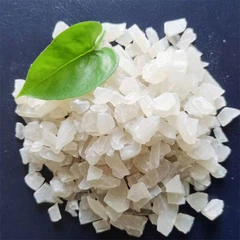
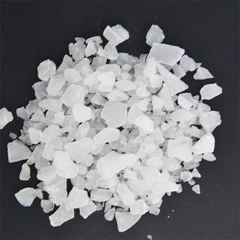
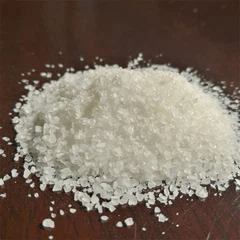
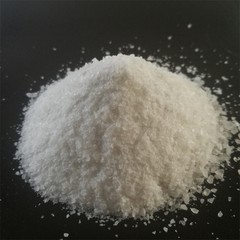
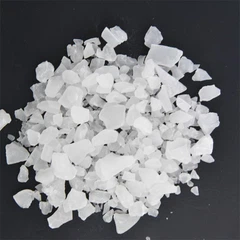
Aluminium sulphate, also known as alum, is a common soil amendment used to lower the pH of alkaline soils. It is often used in gardening and agriculture to create a more acidic environment, which can be beneficial for certain plants that prefer acidic soil conditions. When aluminium sulphate is added to the soil, it reacts with water to form aluminium hydroxide and sulfuric acid. The sulfuric acid then lowers the soil pH, making it more acidic.
In addition to its pH-lowering properties, aluminium sulphate can also provide essential nutrients to plants. It contains aluminium, which is an element that can help to improve the availability of other nutrients in the soil, such as iron and manganese. Aluminium sulphate can also help to improve soil structure and drainage, which can be beneficial for plant growth.
The Ideal Soil Conditions for Bamboo
Before we can determine whether aluminium sulphate fertilizer is suitable for bamboo plants, it's important to understand the ideal soil conditions for bamboo. Bamboo is a hardy plant that can grow in a variety of soil types, but it generally prefers well-drained, fertile soil with a slightly acidic to neutral pH. The ideal pH range for bamboo is between 5.5 and 7.0.
If the soil pH is too high (alkaline), it can affect the availability of nutrients to the bamboo plant. For example, iron and manganese are less available to plants in alkaline soils, which can lead to nutrient deficiencies and poor growth. In some cases, alkaline soil can also cause the leaves of the bamboo plant to turn yellow or brown, a condition known as chlorosis.
Benefits of Using Aluminium Sulphate Fertilizer on Bamboo
If the soil in which your bamboo plants are growing is too alkaline, using aluminium sulphate fertilizer can have several benefits:
- Lowering Soil pH: As mentioned earlier, aluminium sulphate can lower the pH of alkaline soils, making them more acidic. This can help to improve the availability of nutrients to the bamboo plant, especially iron and manganese. By creating a more acidic soil environment, you can prevent nutrient deficiencies and promote healthy growth.
- Improving Soil Structure: Aluminium sulphate can also help to improve soil structure by breaking up compacted soil and increasing the porosity of the soil. This can improve water infiltration and drainage, which can be beneficial for bamboo plants, as they prefer well-drained soil.
- Enhancing Nutrient Uptake: The aluminium in aluminium sulphate can help to enhance the uptake of other nutrients by the bamboo plant. It can also help to improve the efficiency of the plant's root system, allowing it to absorb nutrients more effectively.
Considerations When Using Aluminium Sulphate Fertilizer on Bamboo
While aluminium sulphate fertilizer can be beneficial for bamboo plants, there are some considerations to keep in mind:
- Proper Application Rate: It's important to use the correct application rate of aluminium sulphate fertilizer to avoid over-acidifying the soil. Over-acidifying the soil can be harmful to bamboo plants and can lead to nutrient imbalances. The application rate will depend on the current soil pH and the type of soil. It's recommended to conduct a soil test before applying aluminium sulphate fertilizer to determine the appropriate application rate.
- Timing of Application: The best time to apply aluminium sulphate fertilizer to bamboo plants is in the spring or fall. This is when the plants are actively growing and can benefit the most from the nutrients. Avoid applying aluminium sulphate fertilizer during the winter months, as the plants are dormant and may not be able to absorb the nutrients effectively.
- Compatibility with Other Fertilizers: Aluminium sulphate fertilizer can interact with other fertilizers, especially those that contain calcium or magnesium. It's important to avoid applying aluminium sulphate fertilizer at the same time as these fertilizers, as it can lead to the formation of insoluble compounds that can reduce the effectiveness of the fertilizers.
- Environmental Impact: While aluminium sulphate is a common soil amendment, it can have an environmental impact if not used properly. Excessive use of aluminium sulphate can lead to the leaching of aluminium into groundwater, which can be harmful to aquatic life. It's important to follow the recommended application rates and to avoid over-applying aluminium sulphate fertilizer.
How to Apply Aluminium Sulphate Fertilizer to Bamboo
If you've determined that your bamboo plants would benefit from the use of aluminium sulphate fertilizer, here's how to apply it:
- Conduct a Soil Test: Before applying aluminium sulphate fertilizer, it's important to conduct a soil test to determine the current soil pH and the nutrient levels. This will help you to determine the appropriate application rate of aluminium sulphate fertilizer.
- Calculate the Application Rate: Based on the results of the soil test, calculate the amount of aluminium sulphate fertilizer that you need to apply. The application rate will depend on the current soil pH and the type of soil. It's recommended to follow the instructions on the fertilizer package or to consult with a professional gardener or agronomist.
- Apply the Fertilizer: Once you've calculated the application rate, apply the aluminium sulphate fertilizer evenly around the base of the bamboo plants. Be careful not to get the fertilizer on the leaves or stems of the plants, as it can cause damage. After applying the fertilizer, water the plants thoroughly to help the fertilizer dissolve and to prevent it from burning the roots.
- Monitor the Soil pH: After applying aluminium sulphate fertilizer, it's important to monitor the soil pH regularly to ensure that it stays within the ideal range for bamboo plants. You can use a soil pH test kit to monitor the soil pH. If the soil pH is still too high, you may need to apply additional aluminium sulphate fertilizer.
Conclusion
In conclusion, aluminium sulphate fertilizer can be used on bamboo plants if the soil in which they are growing is too alkaline. By lowering the soil pH, improving soil structure, and enhancing nutrient uptake, aluminium sulphate fertilizer can help to promote healthy growth and prevent nutrient deficiencies in bamboo plants. However, it's important to use the correct application rate, to apply the fertilizer at the right time, and to consider the environmental impact of using aluminium sulphate fertilizer.
If you're interested in using Aluminum Sulfate Soil Amendment or Aluminium Sulphate Fertilizer for your bamboo plants or other gardening needs, please feel free to contact us. We're here to provide you with the best products and advice to help you achieve healthy and beautiful plants.

References
- Brady, N. C., & Weil, R. R. (2008). The nature and properties of soils. Pearson Prentice Hall.
- Epstein, E., & Bloom, A. J. (2005). Mineral nutrition of plants: Principles and perspectives. Sinauer Associates.
- Marschner, H. (2012). Mineral nutrition of higher plants. Academic Press.
Send Inquiry