

Can aluminum sulfate be used in lawn soil amendment?
Jan 08, 2026
Leave a message
Can aluminum sulfate be used in lawn soil amendment?
As a supplier of aluminum sulfate soil amendment, I often get asked whether aluminum sulfate can be effectively used in lawn soil amendment. In this blog post, I'll explore this question in detail, delving into the science behind aluminum sulfate and its potential benefits and drawbacks for lawns.
What is Aluminum Sulfate?
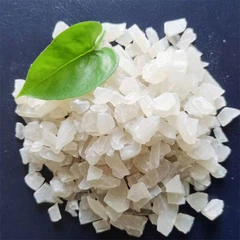
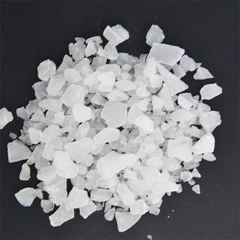
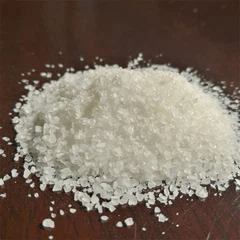
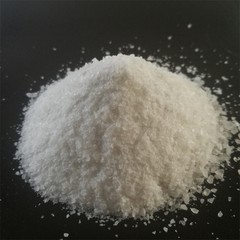
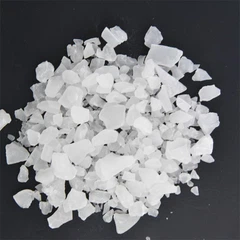
Aluminum sulfate, also known as alum, is a white crystalline solid that is soluble in water. It has a variety of industrial and agricultural applications. In the context of soil amendment, it is commonly used to lower the pH of alkaline soils. When aluminum sulfate is added to soil, it reacts with water and releases hydrogen ions, which in turn reduce the soil's pH, making it more acidic. This property makes it a valuable tool for gardeners and landscapers dealing with high - pH soils.
The Need for Soil pH Adjustment in Lawns
The optimal pH range for most lawn grasses is between 6.0 and 7.0. When the soil pH is outside this range, it can have a significant impact on the health and growth of the lawn. In alkaline soils (pH > 7.0), essential nutrients such as iron, manganese, and phosphorus become less available to the grass. This can lead to nutrient deficiencies, resulting in yellowing of the grass, stunted growth, and overall poor lawn health.


By using aluminum sulfate to lower the soil pH, we can make these nutrients more accessible to the grass roots. For example, iron is crucial for chlorophyll production in plants. In alkaline soils, iron can form insoluble compounds, making it difficult for the grass to absorb. Lowering the pH with aluminum sulfate can help keep iron in a soluble form, ensuring that the grass gets enough of this vital nutrient.
How to Use Aluminum Sulfate for Lawn Soil Amendment
Before applying aluminum sulfate to your lawn, it's essential to test the soil pH. You can purchase a soil testing kit from a garden center or send a soil sample to a professional laboratory for a more accurate analysis. Once you know the current pH of your soil, you can determine the appropriate amount of aluminum sulfate to apply.
As a general rule, for every 1 point reduction in soil pH, you may need to apply about 5 pounds of aluminum sulfate per 100 square feet of lawn area. However, this is just a rough estimate, and the actual amount may vary depending on the soil type (e.g., sandy, loamy, or clayey) and the initial pH level.
It's important to apply aluminum sulfate evenly across the lawn. You can use a spreader to ensure uniform distribution. After application, water the lawn thoroughly to help the aluminum sulfate dissolve and penetrate the soil.
Benefits of Using Aluminum Sulfate in Lawn Soil Amendment
- Improved Nutrient Availability: As mentioned earlier, lowering the soil pH with aluminum sulfate can enhance the availability of essential nutrients to the grass. This can lead to greener, healthier, and more vigorous lawn growth.
- Enhanced Microbial Activity: Many beneficial soil microorganisms thrive in slightly acidic conditions. By adjusting the soil pH with aluminum sulfate, we can create a more favorable environment for these microbes. They play a crucial role in breaking down organic matter, releasing nutrients, and improving soil structure.
- Weed Control: Some weeds, such as dandelions and clover, prefer alkaline soils. By lowering the soil pH, we can make the lawn environment less hospitable to these weeds, reducing their growth and spread.
Potential Drawbacks and Precautions
- Over - acidification: Applying too much aluminum sulfate can cause the soil pH to drop too low, which can be harmful to the grass. Extremely acidic soils can also lead to the release of toxic levels of aluminum and manganese, which can damage the grass roots. Therefore, it's crucial to follow the recommended application rates and monitor the soil pH regularly.
- Environmental Impact: Aluminum sulfate can have an impact on the surrounding environment if not used properly. Excessive runoff of aluminum sulfate - treated water can contaminate nearby water sources, affecting aquatic life. To minimize this risk, avoid applying aluminum sulfate before heavy rainfall and ensure proper water management on your lawn.
Case Studies and Real - World Examples
There are numerous success stories of using aluminum sulfate for lawn soil amendment. For instance, a homeowner in a region with alkaline soil noticed that their lawn was looking dull and patchy. After testing the soil and finding a pH of 7.8, they decided to apply aluminum sulfate according to the recommended rate. Over the next few weeks, they observed a significant improvement in the lawn's appearance. The grass became greener, and the growth rate increased.
Another example is a golf course maintenance team. They were struggling with uneven grass growth and yellowing in some areas of the course due to high - pH soil. By using aluminum sulfate to adjust the soil pH, they were able to achieve a more uniform and healthy lawn, enhancing the overall playing experience for golfers.
Conclusion
In conclusion, aluminum sulfate can be an effective tool for lawn soil amendment, especially in areas with alkaline soils. By lowering the soil pH, it can improve nutrient availability, enhance microbial activity, and even help with weed control. However, it's important to use it with caution, following the proper application rates and taking necessary precautions to avoid over - acidification and environmental damage.
If you're interested in learning more about Aluminum Sulfate Soil Amendment or Aluminium Sulphate Fertilizer, or if you're considering purchasing our products for your lawn soil amendment needs, please don't hesitate to reach out. We're here to provide you with expert advice and high - quality products to help you achieve a beautiful, healthy lawn.
References
- Brady, N. C., & Weil, R. R. (2008). The Nature and Properties of Soils. Pearson Prentice Hall.
- Hartmann, H. T., Kester, D. E., Davies, F. T., & Geneve, R. L. (2011). Plant Propagation: Principles and Practices. Prentice Hall.
- Lucas, R. E., & Davis, J. F. (1961). Soil Testing and Fertilizer Recommendations. Iowa State University Press.
Send Inquiry