

Can aluminum sulfate fertilizer be used in flower gardens?
Nov 03, 2025
Leave a message
Can aluminum sulfate fertilizer be used in flower gardens? This is a question that many gardening enthusiasts and professional landscapers often ask. As a supplier of aluminum sulfate fertilizer, I am well - versed in the properties and applications of this product, and I'm here to provide you with a comprehensive answer.
Understanding Aluminum Sulfate Fertilizer
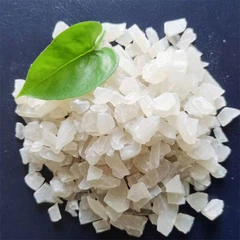
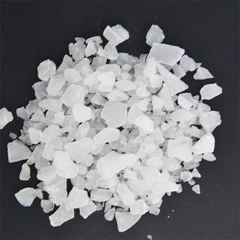
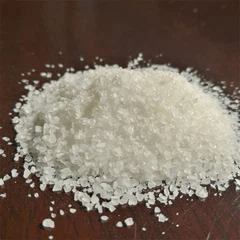
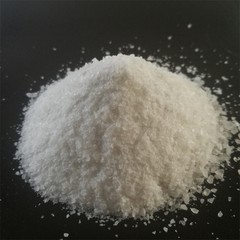
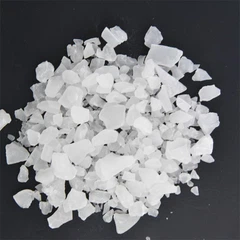
Aluminum sulfate, with the chemical formula Al₂(SO₄)₃, is a white crystalline solid that is highly soluble in water. In the context of gardening, it serves multiple purposes. Firstly, it is commonly used as a soil amendment. When added to the soil, it can lower the soil pH, making it more acidic. This is particularly useful for plants that thrive in acidic soil conditions, such as azaleas, rhododendrons, and blueberries. Secondly, it can act as a fertilizer by providing essential nutrients to the plants. Aluminum sulfate contains sulfur, which is an important secondary nutrient for plant growth. Sulfur is involved in many physiological processes in plants, including the synthesis of proteins, vitamins, and enzymes.
The Aluminium Sulphate Fertilizer we supply is of high quality, ensuring that it meets the strictest standards for agricultural use. It is carefully formulated to provide the right balance of nutrients and acidity - adjusting capabilities.
Benefits of Using Aluminum Sulfate in Flower Gardens
1. Acidifying the Soil
One of the primary benefits of using aluminum sulfate in flower gardens is its ability to acidify the soil. Many beautiful flowering plants, such as camellias and hydrangeas, prefer acidic soil. By adding aluminum sulfate to the soil, you can create an ideal growing environment for these plants. For example, hydrangeas are known for their ability to change the color of their flowers based on the soil pH. In acidic soil, the flowers tend to be blue, while in alkaline soil, they are pink. By using aluminum sulfate to lower the soil pH, you can achieve those stunning blue hydrangea blooms.
2. Nutrient Supply
As mentioned earlier, aluminum sulfate contains sulfur, which is an essential nutrient for plants. Sulfur helps in the formation of chlorophyll, which is crucial for photosynthesis. It also plays a role in the development of strong roots and overall plant health. When used as a fertilizer, aluminum sulfate can improve the vigor and vitality of the flowers in your garden, leading to more abundant blooms and healthier foliage.
3. Soil Structure Improvement
Aluminum sulfate can also have a positive impact on soil structure. It can help to break up compacted soil, allowing for better water infiltration and root penetration. This is especially important in flower gardens, where proper soil aeration and drainage are essential for the healthy growth of plants. Improved soil structure also reduces the risk of waterlogging, which can lead to root rot and other plant diseases.
Potential Drawbacks and Precautions
While aluminum sulfate offers many benefits, it is important to use it with caution. Excessive use of aluminum sulfate can lead to an over - acidification of the soil, which can be harmful to some plants. Aluminum toxicity can also occur in plants if the soil pH drops too low. Some plants, such as lilacs and clematis, prefer neutral to alkaline soil, and using aluminum sulfate around these plants can cause them to suffer.
It is crucial to test the soil pH before using aluminum sulfate. You can use a simple soil testing kit to determine the current pH of your soil. Based on the test results, you can calculate the appropriate amount of aluminum sulfate to add. Generally, it is recommended to start with a small amount and gradually increase it as needed, while continuously monitoring the soil pH.
Application of Aluminum Sulfate in Flower Gardens
1. Pre - planting Application
If you are planning to plant acid - loving flowers in your garden, it is advisable to incorporate aluminum sulfate into the soil before planting. For a small flower bed, you can sprinkle the recommended amount of aluminum sulfate evenly over the soil surface and then till it into the top 6 - 8 inches of soil. This will ensure that the soil is properly acidified and enriched with sulfur before the plants are introduced.
2. Foliar Application
In addition to soil application, aluminum sulfate can also be used as a foliar spray. A foliar spray is a solution that is sprayed directly onto the leaves of the plants. This method allows the plants to absorb the nutrients more quickly. However, it is important to use a very dilute solution when applying aluminum sulfate as a foliar spray to avoid leaf burn.
3. Side - dressing
For established flower gardens, side - dressing with aluminum sulfate can be an effective way to maintain the soil pH and provide additional nutrients. Side - dressing involves spreading the fertilizer around the base of the plants, away from the stems, and then lightly incorporating it into the soil surface.


Case Studies: Success Stories in Flower Gardens
Many gardeners have reported great success using aluminum sulfate in their flower gardens. For instance, a gardener in Oregon had a large hydrangea bed that was producing mostly pink flowers. After applying aluminum sulfate to the soil according to the recommended guidelines, the hydrangeas started to produce beautiful blue blooms within a few weeks. Another gardener in California used aluminum sulfate to acidify the soil for her azalea bushes. The azaleas responded well, with more vibrant foliage and an increased number of flowers.
Conclusion
In conclusion, aluminum sulfate can be a valuable addition to flower gardens, especially for those plants that thrive in acidic soil. As a Aluminum Sulfate Soil Amendment, it offers the dual benefits of acidifying the soil and providing essential nutrients. However, it is important to use it responsibly, taking into account the specific needs of your plants and regularly monitoring the soil pH.
If you are interested in using aluminum sulfate in your flower garden or have any questions about our products, we encourage you to contact us for a detailed discussion. Our team of experts is always ready to provide you with the best advice and guidance on how to use our aluminum sulfate fertilizer effectively. We look forward to helping you create a more beautiful and vibrant flower garden.
References
- Brady, N. C., & Weil, R. R. (2008). The Nature and Properties of Soils. Pearson Prentice Hall.
- Marschner, H. (2012). Mineral Nutrition of Higher Plants. Academic Press.
- Taiz, L., & Zeiger, E. (2010). Plant Physiology. Sinauer Associates.
Send Inquiry