

Can aluminum sulfate fertilizer be used in indoor plant cultivation?
Nov 28, 2025
Leave a message
Can aluminum sulfate fertilizer be used in indoor plant cultivation?
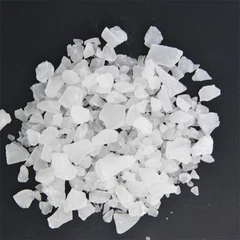
As a supplier of aluminum sulfate fertilizer, I often get asked whether this type of fertilizer can be used in indoor plant cultivation. It's a valid question, considering the unique environment of indoor spaces and the specific needs of indoor plants. In this blog post, I'll delve into the details of using aluminum sulfate fertilizer for indoor plants, exploring its benefits, potential drawbacks, and best practices.
Understanding Aluminum Sulfate Fertilizer
Aluminum sulfate, also known as alum, is a chemical compound that has several applications in agriculture. As a fertilizer, it primarily serves two main purposes: soil acidification and providing essential nutrients. When added to the soil, aluminum sulfate reacts with water and releases hydrogen ions, which lower the soil's pH level, making it more acidic. This is particularly useful for plants that thrive in acidic soil conditions, such as azaleas, rhododendrons, and blueberries.
In addition to acidifying the soil, aluminum sulfate also contains aluminum and sulfur, which are essential micronutrients for plant growth. Aluminum plays a role in various physiological processes, including enzyme activation and cell wall development, while sulfur is involved in the synthesis of proteins, vitamins, and enzymes.


Benefits of Using Aluminum Sulfate Fertilizer in Indoor Plant Cultivation
-
Acidifying the Soil
Many indoor plants, especially those native to tropical and subtropical regions, prefer acidic soil. By using aluminum sulfate fertilizer, you can adjust the soil pH to meet the specific requirements of these plants. This can improve nutrient availability, as many nutrients are more readily absorbed by plants in acidic soil. For example, iron, manganese, and zinc are more soluble in acidic conditions, which can help prevent nutrient deficiencies and promote healthy growth. -
Enhancing Flowering and Fruit Production
Some studies have shown that aluminum sulfate can stimulate flowering and fruit production in certain plants. By creating the ideal soil pH and providing essential nutrients, this fertilizer can help plants produce more vibrant flowers and larger, tastier fruits. This is particularly beneficial for indoor fruit-bearing plants, such as citrus trees and strawberries. -
Preventing Nutrient Lockout
In alkaline soil, certain nutrients can become locked up and unavailable to plants. By acidifying the soil with aluminum sulfate, you can prevent nutrient lockout and ensure that your plants have access to all the nutrients they need. This can lead to healthier, more vigorous plants with better resistance to pests and diseases.
Potential Drawbacks of Using Aluminum Sulfate Fertilizer in Indoor Plant Cultivation
-
Over - Acidification
One of the main risks of using aluminum sulfate fertilizer is over - acidifying the soil. If the soil pH drops too low, it can become toxic to plants, causing stunted growth, yellowing leaves, and even death. It's important to monitor the soil pH regularly and use the fertilizer in moderation to avoid this problem. -
Aluminum Toxicity
In high concentrations, aluminum can be toxic to plants. Although plants require small amounts of aluminum for normal growth, excessive levels can interfere with root development, nutrient uptake, and photosynthesis. This is especially true for plants that are sensitive to aluminum, such as some varieties of lettuce and spinach. -
Environmental Concerns
Aluminum sulfate can have negative environmental impacts if not used properly. When it leaches into groundwater or surface water, it can cause water pollution and harm aquatic life. As an indoor plant grower, it's important to use the fertilizer responsibly and avoid over - application.
Best Practices for Using Aluminum Sulfate Fertilizer in Indoor Plant Cultivation
-
Test the Soil
Before using aluminum sulfate fertilizer, it's important to test the soil pH to determine the current acidity level. You can use a soil testing kit, which is available at most garden centers or online. Based on the test results, you can calculate the appropriate amount of fertilizer to use. -
Follow the Instructions
Always follow the manufacturer's instructions when using aluminum sulfate fertilizer. The recommended application rate will depend on the type of plant, the soil type, and the current pH level. Over - application can lead to over - acidification and other problems, so it's important to use the fertilizer as directed. -
Apply the Fertilizer Properly
Aluminum sulfate fertilizer should be applied evenly to the soil surface and then watered in thoroughly. This will help ensure that the fertilizer is distributed evenly and that the nutrients are absorbed by the plants. Avoid applying the fertilizer directly to the plant leaves, as this can cause burning. -
Monitor the Plants
After applying the fertilizer, monitor your plants closely for any signs of stress or nutrient deficiencies. If you notice any problems, such as yellowing leaves or stunted growth, adjust the fertilizer application rate or stop using the fertilizer altogether.
Conclusion
In conclusion, aluminum sulfate fertilizer can be a useful tool for indoor plant cultivation, especially for plants that prefer acidic soil. However, it's important to use this fertilizer responsibly and follow the best practices to avoid potential drawbacks. By testing the soil, following the instructions, and monitoring your plants, you can ensure that your indoor plants thrive and grow healthy.
If you're interested in learning more about Aluminium Sulphate Fertilizer or Aluminum Sulfate Soil Amendment, please feel free to contact us for more information. We're here to help you make the best choices for your indoor plant cultivation needs. Whether you're a novice gardener or an experienced horticulturist, our team of experts can provide you with the guidance and support you need to achieve success. So, don't hesitate to reach out and start a conversation about how our aluminum sulfate fertilizer can benefit your indoor plants.
References
- Brady, N. C., & Weil, R. R. (2008). The Nature and Properties of Soils. Pearson Prentice Hall.
- Marschner, H. (2012). Mineral Nutrition of Higher Plants. Academic Press.
- Epstein, E., & Bloom, A. J. (2005). Mineral Nutrition of Plants: Principles and Perspectives. Sinauer Associates.
Send Inquiry