

Can aluminum sulfate in drinking water cause hair loss?
Jun 05, 2025
Leave a message
Hey there! As a supplier of aluminum sulfate in drinking water, I often get asked a bunch of questions. One that pops up quite a bit is, "Can aluminum sulfate in drinking water cause hair loss?" It's a valid concern, and I'm here to dig deep into this topic and share some insights.
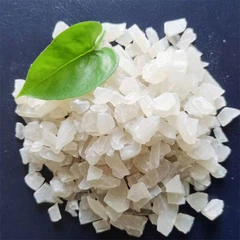
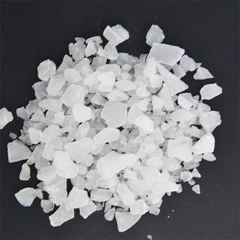
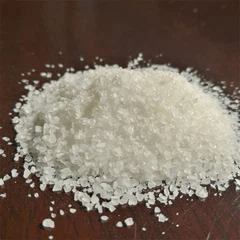
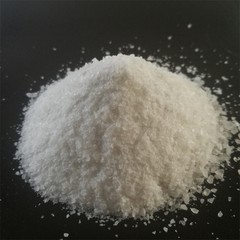
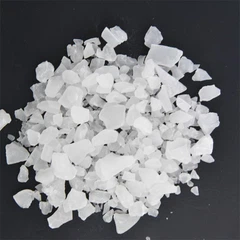
First off, let's understand what aluminum sulfate is and why it's used in drinking water. Aluminum sulfate, also known as alum, is a commonly used chemical in water treatment. It helps to clarify water by removing impurities, such as suspended solids, bacteria, and some heavy metals. When added to water, it forms a gelatinous precipitate that traps these particles, making it easier to filter them out. This process is called coagulation, and it's a crucial step in ensuring that our drinking water is clean and safe. You can learn more about its use in drilling fluids water treatment at Drilling Fluids Water Treatment Aluminum Sulfate.
Now, let's get to the heart of the matter - the link between aluminum sulfate in drinking water and hair loss. There's a lot of misinformation floating around on the internet, and it can be tough to separate fact from fiction. Some people claim that aluminum in water can accumulate in the body and lead to hair loss. But is there any scientific evidence to back this up?


The truth is, the relationship between aluminum and hair loss is complex and not fully understood. While aluminum is a known neurotoxin and has been linked to various health issues, such as Alzheimer's disease, the evidence for its role in hair loss is limited. Most of the studies on this topic have been conducted on animals or in vitro, and the results are often inconclusive.
One theory is that aluminum can interfere with the normal functioning of the hair follicles. Hair follicles are tiny structures in the skin that produce hair. They require a delicate balance of nutrients and hormones to function properly. Some researchers believe that aluminum can disrupt this balance by binding to proteins and enzymes in the hair follicles, leading to hair loss. However, more research is needed to confirm this theory.
Another factor to consider is the amount of aluminum in drinking water. In most countries, there are strict regulations in place to limit the amount of aluminum in drinking water. The World Health Organization (WHO) has set a guideline value of 0.2 mg/L for aluminum in drinking water. This means that the amount of aluminum in your drinking water is likely to be very low, especially if it's treated by a reputable water treatment plant. You can find more information about aluminum sulfate in drinking water at Aluminum Sulfate in Drinking Water.
It's also important to note that hair loss can be caused by a variety of factors, including genetics, stress, hormonal changes, and certain medical conditions. So, if you're experiencing hair loss, it's unlikely to be solely due to the aluminum in your drinking water. It's always a good idea to consult a healthcare professional to determine the underlying cause of your hair loss.
As a supplier of aluminum sulfate in drinking water, I want to assure you that the product we offer is of the highest quality and meets all the relevant safety standards. We work closely with water treatment plants to ensure that the aluminum sulfate is used in the right amount and in the right way to provide clean and safe drinking water. You can learn more about our aluminium sulphate water products at Aluminium Sulphate Water.
In conclusion, while the idea that aluminum sulfate in drinking water can cause hair loss is a concern, there's currently not enough scientific evidence to support this claim. The amount of aluminum in drinking water is usually very low, and it's unlikely to have a significant impact on your hair health. However, if you're still worried about the potential effects of aluminum on your health, you can consider using a water filter that is specifically designed to remove aluminum.
If you're in the market for high-quality aluminum sulfate for water treatment, I'd love to have a chat with you. We can discuss your specific needs and how our products can help you achieve your water treatment goals. Don't hesitate to reach out and start a conversation about procurement.
References
- World Health Organization. (2017). Guidelines for Drinking - Water Quality, Fourth Edition Incorporating the First Addendum.
- Research studies on the effects of aluminum on human health and hair follicles from peer - reviewed scientific journals.
Send Inquiry