

Can battery grade aluminium sulfate be used in lead - acid batteries?
Dec 19, 2025
Leave a message
Can battery grade aluminium sulfate be used in lead - acid batteries?
Hey there! I'm a supplier of Battery Grade Aluminium Sulfate, and I often get asked this question: Can battery grade aluminium sulfate be used in lead - acid batteries? Let's dig into this topic and find out.
First off, let's understand what lead - acid batteries are. These are one of the oldest and most widely used types of rechargeable batteries. They're commonly found in vehicles, backup power systems, and a whole bunch of other applications. The basic structure of a lead - acid battery consists of lead plates (anode and cathode) immersed in an electrolyte solution, usually sulfuric acid.

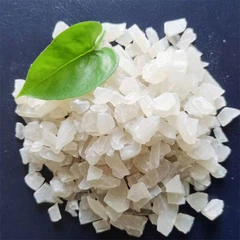
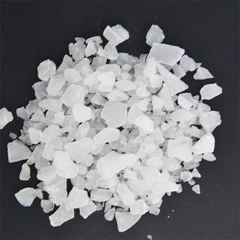
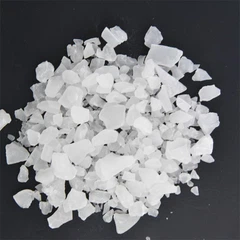
Now, let's talk about battery grade aluminium sulfate. This is a high - purity form of aluminium sulfate specifically formulated for battery applications. It has a very consistent chemical composition and is free from a lot of impurities that could cause problems in a battery environment.
One of the potential benefits of using battery grade aluminium sulfate in lead - acid batteries is related to its impact on the electrolyte. Adding it to the sulfuric acid electrolyte can change the properties of the solution. For example, it might help in improving the conductivity of the electrolyte. A more conductive electrolyte allows for better flow of electrical current within the battery, which can enhance the battery's performance. It could potentially lead to faster charging and discharging rates, and also improve the overall energy efficiency of the battery.
Another aspect is its effect on the lead plates. Aluminium sulfate could have a passivating effect on the lead plates. This means it can form a thin layer on the surface of the plates that protects them from corrosion. Corrosion of the lead plates is a major issue in lead - acid batteries as it can reduce the battery's capacity and lifespan. By preventing or slowing down the corrosion process, battery grade aluminium sulfate can help extend the battery's operational life.
However, it's not all sunshine and rainbows. There are also some potential drawbacks to using battery grade aluminium sulfate in lead - acid batteries. One of the main concerns is the formation of certain precipitates. When aluminium sulfate reacts with the components in the electrolyte or on the lead plates, it might form insoluble compounds. These precipitates can accumulate over time and block the pores in the lead plates. This blocking can impede the flow of the electrolyte and ions within the battery, which in turn can reduce the battery's performance.
The optimal dosage of battery grade aluminium sulfate is also a critical factor. Using too little might not provide the desired benefits, while using too much can cause more harm than good. Finding the right amount of aluminium sulfate to add to the battery requires careful experimentation and testing. It depends on various factors like the size of the battery, its intended application, and the operating conditions.
In some studies, researchers have tried to determine the best conditions for using battery grade aluminium sulfate in lead - acid batteries. They've conducted tests on different battery chemistries and configurations. Some of these tests have shown promising results, with improvements in battery capacity and cycling life. But there are also results that indicate that the benefits are highly dependent on the specific battery design and usage scenarios.
If you're considering using battery grade aluminium sulfate in your lead - acid batteries, it's important to do some research first. You can look into the existing scientific literature on the topic. There are also many manufacturers and suppliers, like me, who can offer technical support and guidance. We can share our knowledge and experience about the best practices for incorporating battery grade aluminium sulfate into lead - acid battery systems.
I've seen firsthand how the right use of battery grade aluminium sulfate can make a difference in battery performance. For some customers, it's helped their lead - acid batteries last longer and perform better, especially in applications where the batteries are subjected to frequent charging and discharging cycles.
But I also understand that every situation is unique. That's why if you're involved in the production or use of lead - acid batteries and are interested in exploring the use of battery grade aluminium sulfate, I encourage you to get in touch. We can have a detailed discussion about your specific needs and how our Battery Grade Aluminium Sulfate can fit into your battery systems. Whether you're a small - scale battery manufacturer or a large - scale energy storage provider, we can work together to find the best solution.
In conclusion, battery grade aluminium sulfate has the potential to be used in lead - acid batteries with the right approach. It can bring some significant benefits, but it also comes with its own set of challenges. By being well - informed and working closely with an experienced supplier, you can make the most of this product and improve the performance and longevity of your lead - acid batteries.
So, if you have any questions, want to know more about using battery grade aluminium sulfate, or are ready to start a procurement discussion, don't hesitate to reach out. Let's work together to take your lead - acid battery applications to the next level.
References
- Various scientific research papers on battery additives and lead - acid battery performance.
- Industry reports on the use of chemicals in battery manufacturing.
Send Inquiry