

Can industrial aluminum sulphate be used in agriculture?
Sep 03, 2025
Leave a message
Can industrial aluminum sulphate be used in agriculture? This is a question that often arises among farmers, agricultural researchers, and those involved in the agricultural supply chain. As a supplier of industrial aluminum sulphate, I am frequently asked about the potential applications of our product in the agricultural sector. In this blog post, I will explore the various aspects of using industrial aluminum sulphate in agriculture, including its benefits, potential risks, and proper usage.
Understanding Industrial Aluminum Sulphate
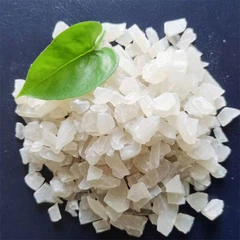
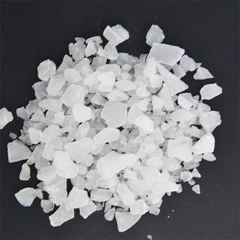
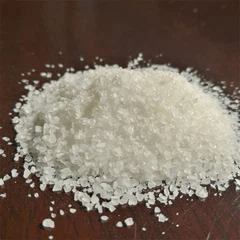
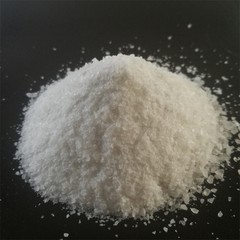
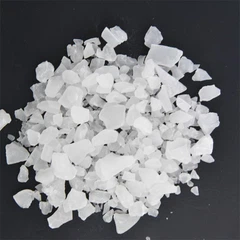
Industrial aluminum sulphate, with the chemical formula Al₂(SO₄)₃, is a white crystalline solid that is soluble in water. It is commonly produced by reacting aluminum hydroxide with sulfuric acid. This compound has a wide range of industrial applications, such as water treatment, paper manufacturing, and textile dyeing. Our company, a leading Aluminum Sulfate Powder Factory, produces high - quality industrial aluminum sulphate that meets strict quality standards.
Benefits of Using Industrial Aluminum Sulphate in Agriculture
Soil pH Adjustment
One of the primary uses of industrial aluminum sulphate in agriculture is for soil pH adjustment. Many plants prefer slightly acidic soil conditions. Aluminum sulphate can react with water in the soil to release hydrogen ions (H⁺), which effectively lower the soil pH. For example, in regions where the soil is naturally alkaline, adding aluminum sulphate can create a more favorable environment for acid - loving plants like blueberries, azaleas, and rhododendrons. By adjusting the soil pH, plants can better absorb essential nutrients such as iron, manganese, and phosphorus, which are more available in acidic soils.
Nutrient Availability
In addition to pH adjustment, industrial aluminum sulphate can also influence nutrient availability in the soil. When the soil pH is within the optimal range for a particular plant, the solubility and uptake of nutrients are enhanced. Aluminum sulphate can help maintain this balance, ensuring that plants have access to the nutrients they need for healthy growth. For instance, it can prevent the precipitation of certain nutrients in alkaline soils, making them more accessible to plant roots.
Pest and Disease Control
Some studies suggest that aluminum sulphate may have some role in pest and disease control. In certain cases, the acidic environment created by aluminum sulphate can deter pests and inhibit the growth of some soil - borne pathogens. However, more research is needed in this area to fully understand the extent of its effectiveness and the specific mechanisms involved.
Potential Risks of Using Industrial Aluminum Sulphate in Agriculture
Aluminum Toxicity
One of the main concerns when using industrial aluminum sulphate in agriculture is the potential for aluminum toxicity. At high concentrations, aluminum can be toxic to plants. Excessive levels of aluminum in the soil can interfere with root growth, nutrient uptake, and overall plant development. It is crucial to carefully control the application rate of aluminum sulphate to avoid reaching toxic levels. Soil testing before and after application is highly recommended to monitor aluminum levels and ensure they remain within a safe range for plants.
Environmental Impact
Another risk is the potential environmental impact. If aluminum sulphate is over - applied or mismanaged, it can leach into groundwater or surface water, causing water pollution. Aluminum in water bodies can have negative effects on aquatic life, such as affecting fish gill function and disrupting the balance of aquatic ecosystems. Therefore, it is essential to follow proper application guidelines and environmental regulations when using industrial aluminum sulphate in agriculture.
Proper Usage of Industrial Aluminum Sulphate in Agriculture
Soil Testing
Before applying industrial aluminum sulphate, it is essential to conduct a soil test. A soil test will provide information about the current soil pH, nutrient levels, and aluminum content. Based on the test results, the appropriate amount of aluminum sulphate can be determined. This ensures that the application is tailored to the specific needs of the soil and the plants being grown.
Application Rate
The application rate of industrial aluminum sulphate depends on several factors, including the initial soil pH, the type of soil, and the target pH. Generally, the rate can range from a few pounds per 100 square feet for minor pH adjustments to larger amounts for more significant changes. It is advisable to follow the recommendations provided by agricultural extension services or soil testing laboratories.
Application Method
Industrial aluminum sulphate can be applied either as a dry powder or in a liquid solution. When applying as a dry powder, it should be evenly spread over the soil surface and then incorporated into the soil to a depth of a few inches. For liquid applications, the aluminum sulphate can be dissolved in water and applied using a sprayer or irrigation system.
Our Product: Industrial Aluminum Sulphate
As a supplier of industrial aluminum sulphate, we offer high - quality products that are suitable for agricultural applications. Our Iron - Free Aluminum Sulfate Powder For Sewage Treatment can also be used in agriculture, as the absence of iron ensures that there are no unwanted side - effects related to iron precipitation in the soil. Our products are manufactured using advanced processes and are rigorously tested to meet the highest quality standards.
Contact Us for Purchase and Consultation
If you are interested in using industrial aluminum sulphate in your agricultural operations, we are here to help. Our team of experts can provide you with detailed information about our products, application guidelines, and answer any questions you may have. Whether you are a small - scale farmer or a large - scale agricultural enterprise, we can offer customized solutions to meet your specific needs. Please feel free to reach out to us for more information and to discuss your procurement requirements.


References
- Brady, N. C., & Weil, R. R. (2008). The nature and properties of soils. Pearson Prentice Hall.
- Marschner, H. (2012). Mineral nutrition of higher plants. Academic Press.
- Alloway, B. J. (2013). Heavy metals in soils: Trace metals and metalloids in soils and their bioavailability. Springer Science & Business Media.
Send Inquiry