

Can non iron aluminum sulphate be used in soil improvement?
Dec 23, 2025
Leave a message
Hey there! As a supplier of non-iron aluminum sulphate, I often get asked if our product can be used in soil improvement. Well, let's dive right into it and find out.
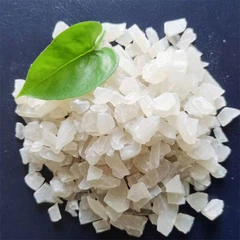
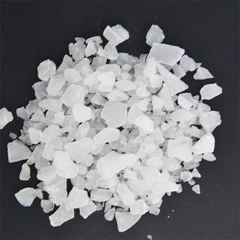
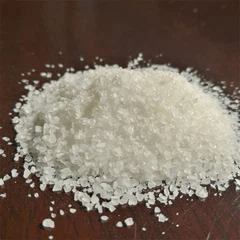
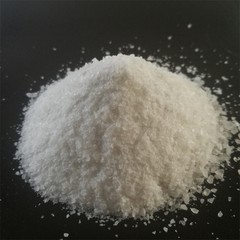
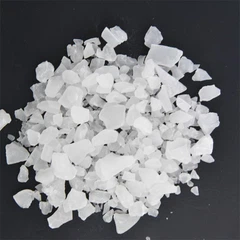
First off, let's talk a bit about what non-iron aluminum sulphate is. It's a chemical compound that has a bunch of uses in different industries. You can check out more about it on our website pages: Aluminium Sulphate Non Ferric, Reagent Grade Aluminum Sulphate, and Iron Free Aluminum Sulphate Powder.
Now, when it comes to soil improvement, we need to understand how non-iron aluminum sulphate might interact with the soil. The main thing it can do is affect the soil's pH level. Most plants have a preferred pH range in which they can grow best. Non-iron aluminum sulphate can be used to lower the pH of alkaline soils, making them more acidic.
If you've got a garden where the soil is too alkaline, a lot of plants might struggle to take up nutrients properly. For example, nutrients like iron, manganese, and phosphorus become less available to plants in alkaline conditions. By adding non-iron aluminum sulphate, you can create a more acidic environment where these nutrients are more accessible. This can lead to healthier plants with better growth and development.
Let's take azaleas, rhododendrons, and blueberries as examples. These are acid-loving plants that thrive in soil with a lower pH. If your soil is naturally alkaline, using non-iron aluminum sulphate can help mimic their native growing conditions. It's like giving them a little taste of home in your garden.
But how do you actually use non-iron aluminum sulphate for soil improvement? Well, it's crucial to test your soil first. You can buy a soil testing kit at a local gardening store. This will tell you the current pH level of your soil and how much you might need to adjust it.
Once you know the starting point, you can calculate the amount of non-iron aluminum sulphate to add. As a general rule, it's recommended to start small. You can mix the powder with water according to the instructions on the package and then apply it to the soil around the plants. Remember to water the area thoroughly after applying to help the compound distribute evenly in the soil.
It's important to note that you shouldn't overdo it. Adding too much non-iron aluminum sulphate can make the soil overly acidic, which can be just as harmful to plants as alkaline soil. So, it's a balancing act. You want to aim for the sweet spot where your plants are getting the right pH and nutrients.


Another thing to consider is the type of soil you have. Different soils react differently to the addition of non-iron aluminum sulphate. Sandy soils, for example, tend to drain quickly and may require more frequent applications. Clay soils, on the other hand, can hold onto the compound longer, so you might need to be more cautious with the amount you use.
In addition to adjusting the pH, non-iron aluminum sulphate can also have an impact on soil structure. It can help to flocculate or clump together the soil particles. This can improve the soil's drainage and aeration, which are also important for plant growth. When the soil has better drainage, water can move through it more easily, preventing waterlogging and root rot. And good aeration means that oxygen can reach the plant roots, which is essential for their respiration.
Now, let's talk about the environmental aspects. Non-iron aluminum sulphate is relatively safe to use in the garden. It's not highly toxic to most organisms, but like any chemical, it should be used responsibly. Make sure you follow the safety guidelines on the product label to protect yourself and the environment.
If you're using non-iron aluminum sulphate in a large agricultural setting, it's important to monitor the soil regularly. This will help you ensure that you're not causing any long-term damage to the soil ecosystem. You might also want to consider using it in combination with other soil amendments, like organic matter. Compost, manure, and leaf mold can all improve soil fertility and structure, and when used with non-iron aluminum sulphate, they can create an even better environment for plants.
In conclusion, non-iron aluminum sulphate can definitely be used in soil improvement. It's a handy tool for adjusting the pH of alkaline soils and improving soil structure. But it's important to use it wisely and in the right amounts.
If you're interested in using non-iron aluminum sulphate for your soil improvement needs, don't hesitate to reach out. We're here to help you find the best solution for your garden or agricultural project. Whether you have questions about the product, how much to use, or any other concerns, we've got you covered.
References:
- Smith, J. (2020). Soil Science Basics. Green Thumb Publishing.
- Johnson, A. (2019). Gardening with Chemical Amendments. Nature's Garden Press.
Send Inquiry