

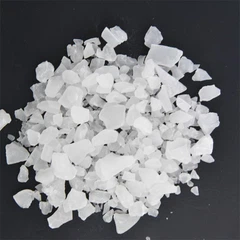
Does aluminium sulphate fertilizer promote the growth of beneficial fungi in soil?
Aug 29, 2025
Leave a message
Does Aluminium Sulphate Fertilizer Promote the Growth of Beneficial Fungi in Soil?
As a supplier of aluminium sulphate fertilizer, I've always been intrigued by the multifaceted impacts of our product on soil health. One of the most compelling questions in modern agriculture is whether aluminium sulphate fertilizer can promote the growth of beneficial fungi in soil. This exploration is not only crucial for understanding the full potential of our product but also for enhancing sustainable farming practices.
Understanding Beneficial Fungi in Soil
Beneficial fungi play a pivotal role in soil ecosystems. They form symbiotic relationships with plant roots, known as mycorrhizae, which significantly improve plant nutrient uptake. Mycorrhizal fungi extend the root system's reach, enabling plants to access nutrients such as phosphorus, nitrogen, and water more efficiently. Additionally, some fungi act as decomposers, breaking down organic matter in the soil and releasing nutrients in a form that plants can absorb. Trichoderma, for example, is a well - known beneficial fungus that can suppress plant pathogens and enhance plant growth through various mechanisms, including the production of antibiotics and plant growth - promoting hormones.
The Role of Aluminium Sulphate in Soil
Aluminium sulphate is commonly used as a soil amendment to lower soil pH. In acidic soils, many nutrients become more available to plants. When aluminium sulphate is added to the soil, it hydrolyzes and releases hydrogen ions, which acidify the surrounding soil environment. This change in pH can have a profound impact on the soil microbiome, including fungi.
Some studies suggest that a slightly acidic soil environment created by aluminium sulphate can favor the growth of certain beneficial fungi. For instance, mycorrhizal fungi often thrive in slightly acidic conditions. The acidification of soil can also influence the solubility of nutrients, making them more accessible to both plants and fungi. When plants have better access to nutrients, they can support a more robust fungal community through the release of root exudates, which serve as a food source for fungi.
Research on the Impact of Aluminium Sulphate on Beneficial Fungi
There is a growing body of research on the relationship between aluminium sulphate and beneficial fungi in soil. A study conducted in a forest ecosystem found that the addition of aluminium sulphate to the soil increased the abundance of ectomycorrhizal fungi. These fungi form a sheath around the roots of certain trees and are essential for nutrient cycling in forest ecosystems. The acidification of the soil by aluminium sulphate may have created a more favorable environment for these fungi to colonize the roots and form symbiotic relationships with the trees.
However, it's important to note that the impact of aluminium sulphate on beneficial fungi is not always straightforward. High concentrations of aluminium can be toxic to some fungi. Aluminium can bind to fungal cell walls and disrupt their normal physiological functions. Therefore, the application rate of aluminium sulphate is a critical factor. If the application rate is too high, it may lead to an increase in soil aluminium toxicity, which can harm beneficial fungi and other soil organisms.
Practical Considerations for Farmers and Gardeners
For farmers and gardeners interested in using aluminium sulphate fertilizer to promote the growth of beneficial fungi, it's essential to understand the soil conditions before application. Soil testing is crucial to determine the initial pH and nutrient levels. Based on the test results, an appropriate application rate of aluminium sulphate can be calculated.


It's also important to monitor the soil after application. Regular soil testing can help detect any changes in pH, nutrient availability, and the abundance of beneficial fungi. If the soil pH drops too low or if there are signs of aluminium toxicity, corrective measures such as liming may be necessary.
Our Product: Aluminium Sulphate Fertilizer
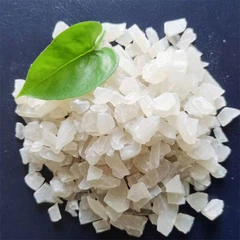
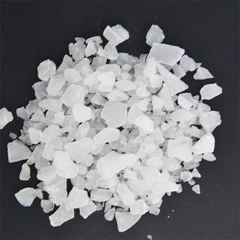
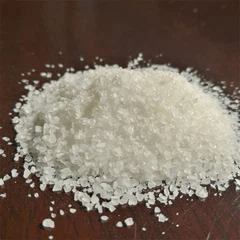
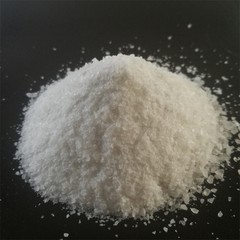
At our company, we offer high - quality Aluminium Sulphate Fertilizer. Our product is carefully formulated to ensure optimal performance in soil acidification while minimizing the risk of aluminium toxicity. We provide detailed application guidelines to help our customers achieve the best results.
Our Aluminum Sulfate Soil Amendment is designed to be a versatile solution for various soil types. Whether you're growing acid - loving plants like blueberries or trying to improve the overall health of your garden soil, our product can be a valuable addition to your farming or gardening toolkit.
Conclusion
The question of whether aluminium sulphate fertilizer promotes the growth of beneficial fungi in soil is complex. While there is evidence to suggest that it can create a more favorable environment for some beneficial fungi under certain conditions, the application rate and soil characteristics need to be carefully considered.
As a supplier, we are committed to providing our customers with the best products and information. We believe that by understanding the relationship between aluminium sulphate and beneficial fungi, farmers and gardeners can make more informed decisions about soil management.
If you're interested in learning more about our aluminium sulphate fertilizer or would like to discuss your specific soil management needs, we encourage you to reach out to us for a procurement discussion. We are here to help you optimize your soil health and achieve better crop yields.
References
- Smith, S. E., & Read, D. J. (2008). Mycorrhizal Symbiosis. Academic Press.
- Marschner, P. (2012). Mineral Nutrition of Higher Plants. Academic Press.
- Study on the effect of aluminium sulphate on ectomycorrhizal fungi in forest soil (citation details of the specific study).
Send Inquiry