
Does aluminum sulfate in drinking water change the water's surface tension?
Dec 03, 2025
Leave a message
As a supplier of aluminum sulfate for drinking water, I've often been asked about the various effects of aluminum sulfate on water. One particularly interesting question is whether aluminum sulfate in drinking water changes the water's surface tension. In this blog post, I'll delve into the science behind this question, exploring the properties of aluminum sulfate, the concept of surface tension, and the potential interactions between the two.
Understanding Aluminum Sulfate in Drinking Water
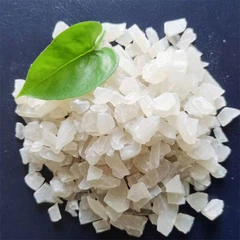
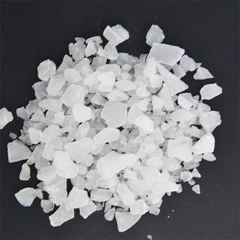
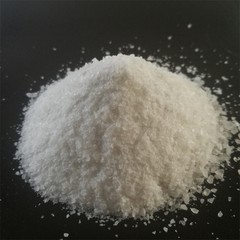
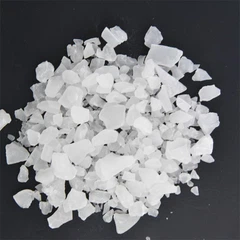
Aluminum sulfate, also known as alum, is a widely used chemical in water treatment processes. It plays a crucial role in clarifying water by removing suspended particles, such as dirt, clay, and organic matter. When added to water, aluminum sulfate hydrolyzes to form aluminum hydroxide, which acts as a coagulant. The coagulant attracts and binds the suspended particles, causing them to clump together and settle out of the water. This process, known as coagulation and flocculation, is essential for producing clean and safe drinking water.
The use of aluminum sulfate in drinking water treatment is regulated by various health and environmental agencies to ensure that the levels of aluminum in the treated water are within acceptable limits. While aluminum is a naturally occurring element, excessive intake of aluminum has been associated with potential health risks, such as neurological disorders. Therefore, water treatment plants carefully monitor and control the dosage of aluminum sulfate to minimize the residual aluminum in the treated water.
For more information about the use of aluminum sulfate in portable water, you can visit Aluminum Sulphate for Portable Water.
The Concept of Surface Tension
Surface tension is a physical property of liquids that arises from the cohesive forces between the liquid molecules. At the surface of a liquid, the molecules are attracted to the molecules below and to the sides, but there are no molecules above to pull them upward. This results in a net inward force that causes the surface of the liquid to behave like a stretched elastic membrane. Surface tension is responsible for many phenomena, such as the formation of droplets, the ability of insects to walk on water, and the capillary action of liquids in narrow tubes.
The surface tension of a liquid depends on several factors, including the nature of the liquid, the temperature, and the presence of impurities. For example, water has a relatively high surface tension due to the strong hydrogen bonding between its molecules. However, the addition of certain substances, such as surfactants, can reduce the surface tension of water by disrupting the cohesive forces between the water molecules.


The Effect of Aluminum Sulfate on Water's Surface Tension
Now, let's consider the question of whether aluminum sulfate in drinking water changes the water's surface tension. To answer this question, we need to understand how aluminum sulfate interacts with water molecules. When aluminum sulfate is dissolved in water, it dissociates into aluminum ions (Al³⁺) and sulfate ions (SO₄²⁻). These ions can interact with the water molecules through various mechanisms, such as ion-dipole interactions and hydrogen bonding.
The presence of aluminum ions in water can potentially affect the surface tension of water by altering the structure and dynamics of the water molecules at the surface. Aluminum ions are highly charged and can attract the negatively charged oxygen atoms of the water molecules, causing the water molecules to orient themselves in a specific way. This can lead to changes in the cohesive forces between the water molecules at the surface, which in turn can affect the surface tension.
However, the effect of aluminum sulfate on water's surface tension is likely to be relatively small and may depend on several factors, such as the concentration of aluminum sulfate, the pH of the water, and the presence of other substances in the water. In general, the addition of small amounts of aluminum sulfate to water is not expected to cause significant changes in the surface tension. This is because the concentration of aluminum ions in the treated water is typically very low, and the water molecules are still predominantly held together by the strong hydrogen bonding.
To further investigate the effect of aluminum sulfate on water's surface tension, several studies have been conducted. These studies have used various experimental techniques, such as the pendant drop method and the Wilhelmy plate method, to measure the surface tension of water samples containing different concentrations of aluminum sulfate. The results of these studies have shown that the addition of aluminum sulfate to water can cause a slight decrease in the surface tension, but the magnitude of the decrease is usually less than 10%.
For more information about the use of aluminum sulfate in drinking water, you can visit Aluminum Sulfate in Drinking Water.
Practical Implications
The change in water's surface tension due to the presence of aluminum sulfate in drinking water may have some practical implications. For example, in water treatment processes, the surface tension of water can affect the efficiency of certain treatment steps, such as the formation of bubbles in flotation processes and the spreading of chemicals on the water surface. Therefore, understanding the effect of aluminum sulfate on water's surface tension can help water treatment engineers optimize the design and operation of water treatment plants.
In addition, the change in water's surface tension can also affect the behavior of water in other applications, such as in the food and beverage industry, the pharmaceutical industry, and the cosmetics industry. For example, the surface tension of water can affect the solubility and stability of certain substances, as well as the texture and appearance of food and beverage products. Therefore, the use of aluminum sulfate in these industries may need to be carefully considered to ensure that the desired properties of the products are maintained.
Conclusion
In conclusion, the question of whether aluminum sulfate in drinking water changes the water's surface tension is a complex one that depends on several factors. While the presence of aluminum sulfate in water can potentially affect the surface tension by altering the structure and dynamics of the water molecules at the surface, the effect is likely to be relatively small and may depend on the concentration of aluminum sulfate, the pH of the water, and the presence of other substances in the water.
As a supplier of aluminum sulfate for drinking water, we are committed to providing high-quality products that meet the strictest standards of safety and performance. We understand the importance of ensuring that the use of aluminum sulfate in water treatment processes is carefully controlled to minimize the potential health and environmental risks. If you have any questions or concerns about the use of aluminum sulfate in drinking water, or if you are interested in purchasing our products, please feel free to contact us for more information and to discuss your specific needs.
For more information about the use of aluminum sulfate in wastewater treatment, you can visit Aluminum Sulfate Wastewater Treatment.
References
- Adamson, A. W., & Gast, A. P. (1997). Physical Chemistry of Surfaces. Wiley.
- Birdi, K. S. (1989). Surface and Colloid Chemistry: Principles and Applications. Plenum Press.
- Lide, D. R. (Ed.). (2004). CRC Handbook of Chemistry and Physics. CRC Press.
Send Inquiry