

How does 15.8% aluminum sulphate affect plant growth?
Aug 22, 2025
Leave a message
How does 15.8% aluminum sulphate affect plant growth?
As a supplier of 15.8% aluminum sulphate, I've witnessed firsthand the diverse applications and effects of this chemical compound. Aluminum sulphate, with a concentration of 15.8%, is a product that finds its use in multiple industries, from water treatment to agriculture. In this blog, I'll delve into how this specific concentration of aluminum sulphate impacts plant growth.
The Chemical Nature of 15.8% Aluminum Sulphate
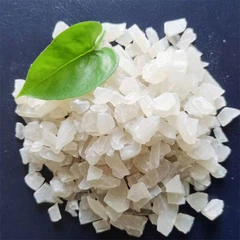
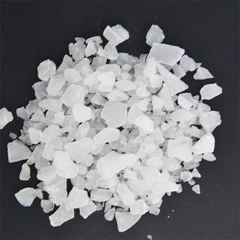
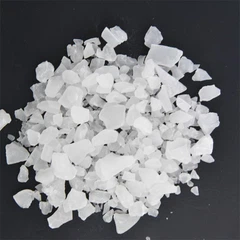
Aluminum sulphate, chemically represented as Al₂(SO₄)₃, is a white crystalline solid that is highly soluble in water. The 15.8% concentration indicates the proportion of the active ingredient in the product. This compound is often produced by reacting aluminum hydroxide with sulfuric acid. It has a wide range of industrial applications, including Aluminium Sulfate Water Treatment, where it is used to clarify water by coagulating impurities.
In the context of plant growth, the chemical properties of 15.8% aluminum sulphate play a crucial role. When dissolved in water, it dissociates into aluminum ions (Al³⁺) and sulfate ions (SO₄²⁻). These ions can have both positive and negative effects on plants, depending on various factors such as soil type, plant species, and the concentration of the solution applied.
Positive Effects on Plant Growth
Soil Acidification
One of the primary ways 15.8% aluminum sulphate affects plant growth is by acidifying the soil. Many plants, such as blueberries, azaleas, and rhododendrons, thrive in acidic soil conditions. When aluminum sulphate is added to the soil, the aluminum ions react with water molecules to form aluminum hydroxide and release hydrogen ions (H⁺). This increase in hydrogen ions lowers the soil pH, making it more acidic.
Acidic soil can enhance the availability of certain nutrients to plants. For example, iron, manganese, and phosphorus are more soluble in acidic conditions, which means plants can absorb these nutrients more easily. This can lead to improved plant growth, healthier foliage, and more vibrant blooms. In regions where the soil is naturally alkaline, the application of 15.8% aluminum sulphate can be a practical solution to create a more suitable growing environment for acid-loving plants.
Pest and Disease Control
Aluminum sulphate has also been shown to have some pest and disease control properties. The acidic environment created by the application of this compound can inhibit the growth of certain soil-borne pathogens and pests. For instance, some fungi and bacteria that cause plant diseases prefer neutral to alkaline soil conditions. By acidifying the soil, 15.8% aluminum sulphate can reduce the incidence of these diseases, protecting the plants from damage.
In addition, the presence of aluminum ions in the soil can have a deterrent effect on some pests. Some insects and nematodes are sensitive to aluminum, and the application of aluminum sulphate can make the soil less attractive to them. This can help to reduce pest infestations and improve the overall health of the plants.
Negative Effects on Plant Growth
Aluminum Toxicity
While aluminum sulphate can have positive effects on plant growth, it can also be toxic to plants if applied in excessive amounts. Aluminum ions can interfere with the normal physiological processes of plants, especially at high concentrations. When the concentration of aluminum ions in the soil solution exceeds a certain threshold, it can inhibit root growth, reduce nutrient uptake, and cause damage to the plant's cell membranes.
Symptoms of aluminum toxicity in plants include stunted growth, yellowing of leaves, and poor root development. Different plant species have varying levels of tolerance to aluminum. Some plants, such as rice and tea, are relatively tolerant to aluminum, while others, such as wheat and barley, are more sensitive. Therefore, it is important to carefully consider the plant species when using 15.8% aluminum sulphate in the garden.
Nutrient Imbalance
The application of 15.8% aluminum sulphate can also lead to nutrient imbalances in the soil. As the soil pH decreases, the availability of some nutrients may change. For example, while the solubility of iron, manganese, and phosphorus increases in acidic soil, the availability of calcium, magnesium, and potassium may decrease. This can result in nutrient deficiencies in plants, even if the soil contains sufficient amounts of these nutrients.
To avoid nutrient imbalances, it is important to monitor the soil pH and nutrient levels regularly when using 15.8% aluminum sulphate. Soil testing can provide valuable information about the nutrient status of the soil, allowing for the appropriate adjustment of fertilizer applications.


Application Guidelines
When using 15.8% aluminum sulphate to affect plant growth, it is essential to follow the proper application guidelines. Here are some general tips:
- Determine the soil pH: Before applying aluminum sulphate, test the soil pH to determine the current acidity level. This will help you to calculate the appropriate amount of aluminum sulphate needed to achieve the desired pH change.
- Choose the right plant species: As mentioned earlier, different plant species have different levels of tolerance to aluminum. Make sure to choose plants that are suitable for acidic soil conditions if you plan to use aluminum sulphate.
- Apply the product correctly: Follow the manufacturer's instructions when applying 15.8% aluminum sulphate. Generally, it is recommended to apply the product evenly over the soil surface and then water it in thoroughly. Avoid applying the product too close to the plant stems to prevent damage.
- Monitor the plants: After applying aluminum sulphate, monitor the plants closely for any signs of stress or nutrient deficiencies. If necessary, adjust the application rate or frequency based on the plant's response.
Our 15.8% Aluminum Sulphate Products
At our company, we offer high-quality 15.8% aluminum sulphate products that are suitable for various applications, including plant growth. Our products are available in different forms, such as Aluminum Sulphate Lump and Ferric Aluminium Sulphate. We ensure that our products meet the highest quality standards and are safe for use in the garden.
If you are interested in learning more about how our 15.8% aluminum sulphate products can affect plant growth or if you have any questions about our products, please feel free to contact us. We are always happy to provide you with the information and support you need. Whether you are a professional gardener or a hobbyist, our products can help you to create a healthy and thriving garden.
In conclusion, 15.8% aluminum sulphate can have both positive and negative effects on plant growth. By understanding its chemical properties and following the proper application guidelines, you can use this compound to create a more suitable growing environment for your plants. If you are considering using 15.8% aluminum sulphate in your garden, we encourage you to reach out to us for more information and to discuss your specific needs. We look forward to helping you achieve the best results for your plants.
References
- Marschner, H. (1995). Mineral Nutrition of Higher Plants. Academic Press.
- Brady, N. C., & Weil, R. R. (2002). The Nature and Properties of Soils. Prentice Hall.
- Foy, C. D. (1984). Physiological responses of plants to aluminum toxicity. In Aluminum in Soils: Chemistry and Toxicity (pp. 215-245). Springer.
Send Inquiry