

How does aluminium sulphate fertilizer interact with soil clay minerals?
Dec 05, 2025
Leave a message
Hey there! I'm an aluminium sulphate fertilizer supplier, and today I want to chat about how this nifty fertilizer interacts with soil clay minerals. It's a topic that's super important for anyone into gardening, farming, or just curious about how soil works.
First off, let's talk a bit about soil clay minerals. These are tiny particles in the soil that play a huge role in its structure and fertility. Clay minerals have a unique property - they have a negative charge on their surface. This negative charge allows them to attract and hold onto positively charged ions, which are essential nutrients for plants.
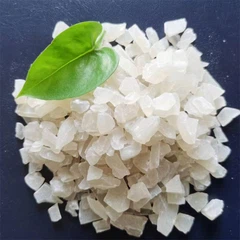
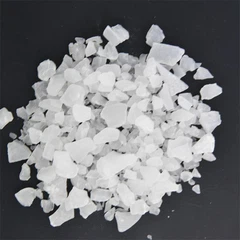
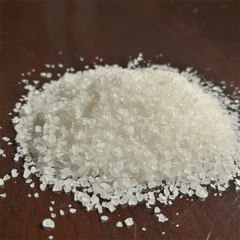
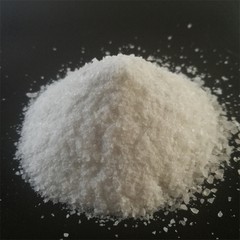
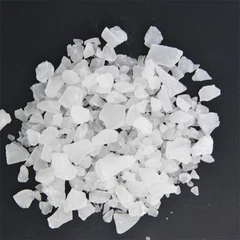
Now, aluminium sulphate fertilizer, also known as Aluminum Sulfate Soil Amendment, is a compound that contains aluminium and sulphate ions. When you add this fertilizer to the soil, the aluminium and sulphate ions start to interact with the soil clay minerals in some interesting ways.
One of the main interactions is related to soil pH. Aluminium sulphate can lower the pH of the soil, making it more acidic. This is because when aluminium sulphate dissolves in water, it releases hydrogen ions. These hydrogen ions can replace some of the positively charged ions that are held by the clay minerals. As a result, the soil becomes more acidic.
The change in soil pH is crucial for plant growth. Some plants prefer acidic soil, like blueberries and azaleas. By using aluminium sulphate fertilizer, you can create the ideal pH environment for these acid - loving plants. The acidic soil also affects the availability of nutrients. For example, in acidic soil, some nutrients like iron and manganese become more soluble and easier for plants to absorb.
Another interaction between aluminium sulphate fertilizer and soil clay minerals is the flocculation process. Flocculation is when small particles in the soil clump together. The aluminium ions in the fertilizer can cause the clay particles to flocculate. When the clay particles flocculate, they form larger aggregates. This improves the soil structure, making it more porous. A more porous soil allows for better water infiltration and air circulation.
Better water infiltration means that water can move through the soil more easily, reducing the risk of waterlogging. Improved air circulation is also vital for plant roots. Roots need oxygen to grow and function properly. So, by promoting flocculation, aluminium sulphate fertilizer helps create a healthier soil environment for plants.
However, it's important to use aluminium sulphate fertilizer carefully. Too much aluminium in the soil can be toxic to plants. High levels of aluminium can damage plant roots and inhibit their ability to take up nutrients. That's why it's essential to follow the recommended application rates. You can find more information about proper application on our Aluminium Sulphate Fertilizer page.


In addition to the chemical interactions, the sulphate ions in the fertilizer also have their own role. Sulphur is an essential nutrient for plants. It's involved in many biochemical processes, such as the synthesis of proteins and vitamins. When the sulphate ions are released into the soil, they can be taken up by plants and used for these important processes.
The interaction between aluminium sulphate fertilizer and soil clay minerals also depends on the type of clay minerals present in the soil. Different clay minerals have different properties and react differently to the fertilizer. For example, montmorillonite, a common clay mineral, has a high cation - exchange capacity. This means it can hold a large number of positively charged ions. When aluminium sulphate is added to soil with montmorillonite, there will be a significant exchange of ions, leading to a more pronounced change in soil pH and structure.
On the other hand, kaolinite, another type of clay mineral, has a lower cation - exchange capacity. The interaction with aluminium sulphate will be less intense compared to montmorillonite. So, understanding the type of clay minerals in your soil can help you use aluminium sulphate fertilizer more effectively.
When applying aluminium sulphate fertilizer, it's also important to consider the existing nutrient levels in the soil. If the soil already has a high level of certain nutrients, adding more through the fertilizer might not be necessary and could even cause imbalances. A soil test is a great way to determine the nutrient status of your soil before applying any fertilizer.
In some cases, aluminium sulphate fertilizer can also help with soil remediation. If the soil has been contaminated with heavy metals, the change in soil pH caused by the fertilizer can affect the solubility of these heavy metals. In acidic soil, some heavy metals may become more mobile and can be leached out of the soil more easily. However, this needs to be done carefully, as the leached heavy metals can also contaminate groundwater if not managed properly.
Now, if you're interested in using aluminium sulphate fertilizer for your gardening or farming needs, I'd like to invite you to get in touch with us. We're a reliable supplier of high - quality aluminium sulphate fertilizer. Whether you're a small - scale gardener or a large - scale farmer, we can provide you with the right amount of fertilizer to meet your specific requirements. Just reach out to us, and we'll be happy to discuss your needs and help you make the most of this amazing fertilizer.
References
Brady, N. C., & Weil, R. R. (2008). The nature and properties of soils. Pearson Prentice Hall.
Mengel, K., & Kirkby, E. A. (2001). Principles of Plant Nutrition. Kluwer Academic Publishers.
Send Inquiry