

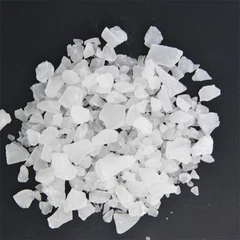
How does aluminum sulfate fertilizer affect the water - holding capacity of the soil?
Jul 17, 2025
Leave a message
How does aluminum sulfate fertilizer affect the water - holding capacity of the soil?
As a supplier of aluminum sulfate fertilizer, I've witnessed firsthand the growing interest in how this product interacts with soil properties. One crucial aspect that farmers, gardeners, and agricultural experts often inquire about is its impact on the water - holding capacity of the soil. In this blog, I'll delve into the scientific basis behind this interaction and share some practical insights from real - world applications.
Understanding Aluminum Sulfate Fertilizer
Aluminum sulfate, with the chemical formula (Al_2(SO_4)_3), has long been used in agriculture. It is commonly known for its role in soil acidification. When applied to the soil, aluminum sulfate reacts with water and soil components, releasing hydrogen ions ((H^+)), which lower the soil's pH. This acidifying effect can be beneficial for plants that thrive in acidic conditions, such as blueberries, azaleas, and rhododendrons.
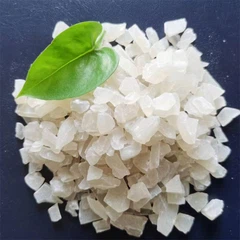
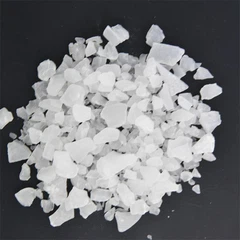
However, its influence on soil water - holding capacity is another important consideration. Aluminium Sulphate Fertilizer is a versatile product that can have both direct and indirect effects on how soil retains and releases water.
Direct Effects on Soil Structure
One of the direct ways aluminum sulfate affects water - holding capacity is through its impact on soil structure. Soil structure refers to the arrangement of soil particles into aggregates. Well - structured soil has a good balance of pores of different sizes, which is essential for water infiltration and retention.
When aluminum sulfate is added to the soil, the aluminum ions ((Al^{3+})) can react with clay particles. Clay particles are negatively charged, and the positively charged aluminum ions can act as a bridge between them. This process, known as flocculation, causes the clay particles to bind together into larger aggregates.
Larger soil aggregates create larger pores between them. These larger pores, called macropores, allow for better water infiltration. When it rains or when irrigation water is applied, water can quickly move through the macropores into the soil profile. At the same time, the smaller pores within the aggregates, known as micropores, can hold water against the force of gravity. This combination of macropores and micropores in a well - flocculated soil can enhance the overall water - holding capacity.
In some cases, soils that are prone to compaction can benefit greatly from the addition of aluminum sulfate. Compacted soils have a reduced number of macropores, which restricts water infiltration and can lead to surface runoff. By promoting flocculation, aluminum sulfate can help break up compacted layers and improve the soil's ability to absorb and retain water.
Indirect Effects through pH Changes
As mentioned earlier, aluminum sulfate is an acidifying agent. Changes in soil pH can have a profound impact on soil microorganisms and plant roots, which in turn affect water - holding capacity.
Most soil microorganisms are sensitive to pH. A change in soil pH due to the addition of aluminum sulfate can alter the composition and activity of the soil microbial community. Some beneficial microorganisms, such as mycorrhizal fungi, form symbiotic relationships with plant roots. These fungi can extend the root system's reach and enhance the plant's ability to take up water and nutrients.
When the soil pH is adjusted to a more suitable range for these microorganisms, their populations can increase. As a result, the plants' root systems become more efficient at extracting water from the soil, and the overall water - use efficiency of the plants improves.
Moreover, soil pH can also affect the solubility of certain nutrients. For example, in acidic soils created by aluminum sulfate application, some nutrients like iron, manganese, and zinc become more available to plants. Healthy plants with access to an adequate supply of nutrients are better able to develop strong root systems. Stronger roots can penetrate deeper into the soil and access water stored in lower soil layers, thus indirectly influencing the soil's water - holding capacity from a plant - utilization perspective.
Case Studies and Practical Applications
In my experience as a supplier, I've received feedback from customers who have used Aluminum Sulfate Soil Amendment in various agricultural and horticultural settings.
In a vineyard in California, the soil was known to be somewhat compacted and had poor water - infiltration rates. The vineyard owner decided to apply aluminum sulfate to a section of the vineyard. After a few months, it was observed that the treated area had better water infiltration. The vines in this area also showed signs of improved health, with more vigorous growth and better fruit quality. The soil in the treated area had a more crumbly structure, indicating that flocculation had occurred. The improved soil structure allowed for better water retention, reducing the need for frequent irrigation.
In a flower garden in Florida, where the soil was sandy and had a low water - holding capacity, aluminum sulfate was used to acidify the soil for azaleas. Over time, it was noticed that the soil around the azaleas became more cohesive. The sandy soil particles had formed into small aggregates, which increased the number of micropores. As a result, the soil was able to hold more water, and the azaleas required less frequent watering.
Factors Affecting the Impact
It's important to note that the impact of aluminum sulfate on water - holding capacity is not uniform and can be influenced by several factors.
The initial soil type plays a significant role. Soils with a high clay content are more likely to respond to the flocculation effect of aluminum sulfate. Sandy soils, on the other hand, may not show as dramatic a change in structure, but the acidifying effect can still have an impact on plant growth and water - use efficiency.
The application rate of aluminum sulfate is also crucial. Too little may not have a significant effect, while too much can lead to excessive acidification, which can be harmful to plants and soil organisms. It's recommended to conduct a soil test before applying aluminum sulfate to determine the appropriate application rate based on the soil's initial pH and other properties.


Environmental conditions, such as rainfall patterns and temperature, can also affect how aluminum sulfate interacts with the soil. In areas with high rainfall, the leaching of aluminum ions may occur more rapidly, which can reduce the long - term effectiveness of the treatment. In hot and dry climates, the acidifying effect of aluminum sulfate may need to be carefully managed to prevent damage to plants.
Conclusion and Call to Action
In conclusion, aluminum sulfate fertilizer can have a significant impact on the water - holding capacity of the soil. Through its direct effects on soil structure and indirect effects through pH changes, it can improve water infiltration, retention, and plant water - use efficiency.
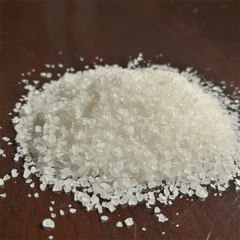
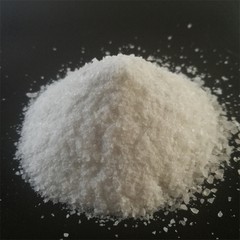
If you're a farmer, gardener, or involved in any agricultural or horticultural activity, and you're looking to improve your soil's water - holding capacity, consider using our high - quality aluminum sulfate fertilizer. We have a wide range of products suitable for different soil types and applications. To learn more about our Aluminium Sulphate Fertilizer and Aluminum Sulfate Soil Amendment, feel free to reach out to us. We're here to provide you with expert advice and help you find the best solution for your specific needs. Contact us today to start a conversation about how our products can benefit your soil and crops.
References
Brady, N. C., & Weil, R. R. (2008). The Nature and Properties of Soils. Pearson Prentice Hall.
Haynes, R. J. (1984). Effects of lime, fertilizer and manure applications on soil organic matter content and soil physical conditions: A review. Biology and Fertility of Soils, 1, 239 - 258.
Marschner, P. (2012). Mineral Nutrition of Higher Plants. Academic Press.
Send Inquiry