

How does aluminum sulfate get into drinking water?
Jul 24, 2025
Leave a message
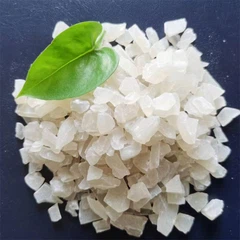
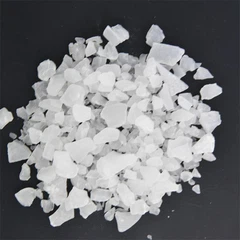
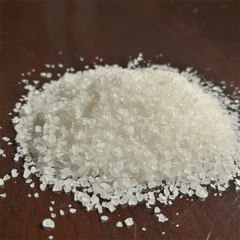
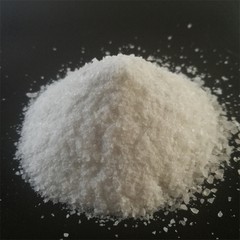
Aluminum sulfate, also known as alum, is a chemical compound commonly used in water treatment processes. As a supplier of aluminum sulfate for drinking water treatment, I often get asked about how this substance makes its way into drinking water. In this blog post, I'll delve into the various ways aluminum sulfate enters our drinking water, the reasons behind its use, and its implications.
The Role of Aluminum Sulfate in Water Treatment
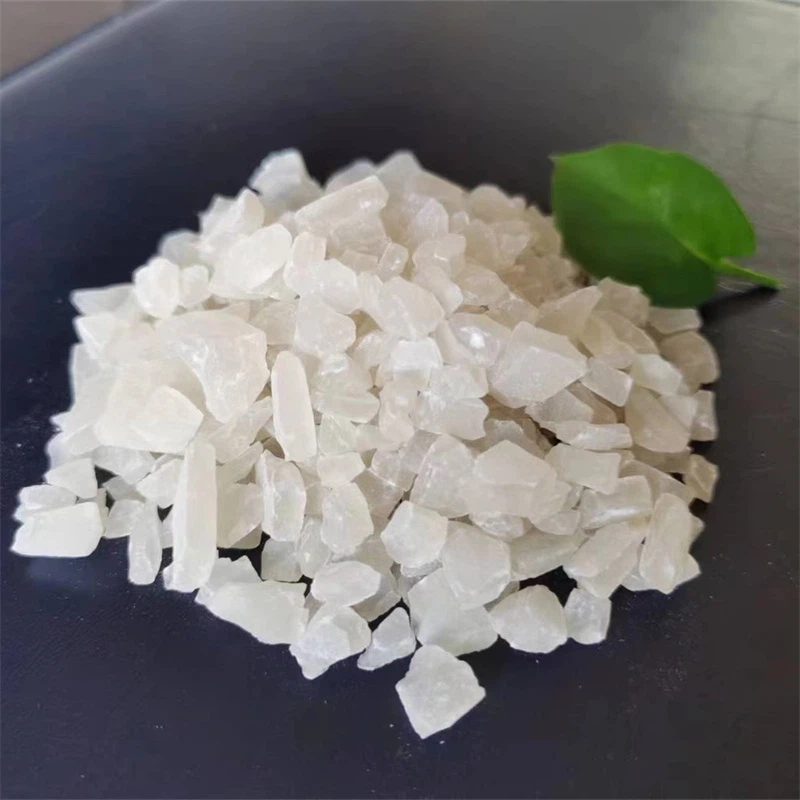
Before we explore how aluminum sulfate gets into drinking water, it's essential to understand its role in the water treatment process. Aluminum sulfate is a coagulant, which means it helps to remove impurities from water by causing small particles to clump together. This process, known as coagulation, makes it easier to filter out these particles, improving the clarity and quality of the water.
When added to water, aluminum sulfate dissociates into aluminum ions and sulfate ions. The aluminum ions react with water molecules to form aluminum hydroxide, a sticky substance that attracts and binds to suspended particles in the water. These particles then settle to the bottom of the treatment tank or are removed by filtration.
How Aluminum Sulfate Enters Drinking Water
Water Treatment Plants
The most common way aluminum sulfate enters drinking water is through its use in water treatment plants. Water treatment plants are responsible for treating raw water from sources such as rivers, lakes, and groundwater to make it safe for consumption. Aluminum sulfate is added to the water during the coagulation and flocculation stages of the treatment process.
During coagulation, a measured amount of aluminum sulfate is added to the raw water. The aluminum ions in the aluminum sulfate react with the negatively charged particles in the water, neutralizing their charge and causing them to clump together. This forms larger particles called flocs, which are easier to remove by sedimentation or filtration.
After coagulation, the water is gently stirred to promote the formation of larger flocs. This process is called flocculation. Once the flocs have formed, they settle to the bottom of the treatment tank or are removed by filtration. The treated water is then disinfected to kill any remaining bacteria and viruses before it is distributed to consumers.
Industrial Discharges
In some cases, aluminum sulfate may enter drinking water through industrial discharges. Industries such as paper manufacturing, textile processing, and water treatment chemical production may use aluminum sulfate in their processes. If these industries do not properly treat their wastewater before discharging it into the environment, aluminum sulfate and other contaminants may end up in surface water or groundwater sources.
Drinking water sources that are located near industrial areas may be at risk of contamination from industrial discharges. Water treatment plants may need to take additional steps to remove aluminum sulfate and other contaminants from the water to ensure its safety.
Natural Sources
Aluminum is a naturally occurring element that is found in the earth's crust. It can enter water sources through natural processes such as weathering and erosion. In some areas, the soil and rock may contain high levels of aluminum, which can leach into groundwater or surface water sources.
Water treatment plants may need to treat water from these sources to remove aluminum and other contaminants. However, in some cases, the levels of aluminum in the water may be within acceptable limits, and no treatment may be necessary.
Implications of Aluminum Sulfate in Drinking Water
The presence of aluminum sulfate in drinking water is generally considered safe at low levels. The World Health Organization (WHO) has set a guideline value of 0.2 mg/L for aluminum in drinking water. This guideline is based on the potential health effects of aluminum exposure, including its possible link to Alzheimer's disease and other neurological disorders.

Most water treatment plants are able to keep the levels of aluminum in drinking water below the WHO guideline value. However, in some cases, the levels of aluminum in drinking water may exceed the guideline value. This can occur if the water treatment plant is not operating properly, if the source water contains high levels of aluminum, or if there are other factors that affect the treatment process.
If the levels of aluminum in drinking water exceed the WHO guideline value, it may be necessary to take additional steps to reduce the levels of aluminum in the water. This may include adjusting the water treatment process, using alternative coagulants, or using additional treatment technologies such as reverse osmosis or ion exchange.
Conclusion
Aluminum sulfate is a commonly used coagulant in water treatment processes. It helps to remove impurities from water by causing small particles to clump together, making it easier to filter out these particles. The most common way aluminum sulfate enters drinking water is through its use in water treatment plants. However, it may also enter drinking water through industrial discharges or natural sources.
The presence of aluminum sulfate in drinking water is generally considered safe at low levels. Most water treatment plants are able to keep the levels of aluminum in drinking water below the WHO guideline value. However, if the levels of aluminum in drinking water exceed the guideline value, it may be necessary to take additional steps to reduce the levels of aluminum in the water.
As a supplier of Aluminum Sulfate in Drinking Water, we are committed to providing high-quality products that meet the strictest standards of safety and quality. Our Aluminum Sulfate for Water Treatment is designed to effectively remove impurities from water while minimizing the risk of aluminum contamination. We also offer Aluminum Sulfate Wastewater Treatment solutions to help industries treat their wastewater and reduce their environmental impact.
If you are interested in learning more about our products or have any questions about aluminum sulfate in drinking water, please contact us to discuss your specific needs and requirements. We look forward to working with you to ensure the safety and quality of your drinking water.
References
- World Health Organization. (2017). Guidelines for drinking-water quality. Fourth edition incorporating the first addendum. Geneva: World Health Organization.
- United States Environmental Protection Agency. (2021). National primary drinking water regulations. Retrieved from https://www.epa.gov/dwreginfo/national-primary-drinking-water-regulations
- American Water Works Association. (2019). Water quality and treatment: A handbook of community water supplies. Sixth edition. Denver: American Water Works Association.
Send Inquiry