

How does aluminum sulfate in drinking water interact with minerals?
Jul 25, 2025
Leave a message
Hey there! I'm a supplier of aluminum sulfate for drinking water. You might be wondering how this stuff interacts with minerals in drinking water. Well, let's dive right in and explore this topic.
What is Aluminum Sulfate in Drinking Water?
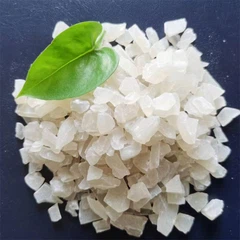
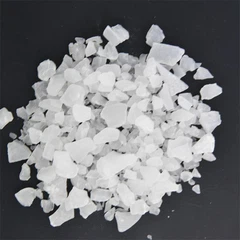
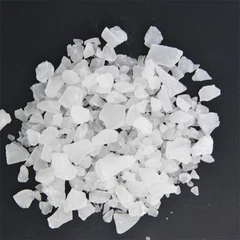
Aluminum sulfate, also known as alum, is a common chemical used in water treatment. It's super handy because it helps to clarify water by removing impurities. When we add it to water, it forms a sticky substance called floc. This floc grabs onto tiny particles like dirt, bacteria, and other yucky stuff in the water, making them clump together. Then, these clumps are easier to filter out, leaving us with cleaner water. You can learn more about Aluminum Sulphate for Drinking Water Treatment.
How it Interacts with Minerals
Calcium and Magnesium
Calcium and magnesium are two minerals that are commonly found in water. They're not necessarily bad for us; in fact, they can be good for our health in the right amounts. But sometimes, too much of them can cause problems like hard water. When aluminum sulfate is added to water containing calcium and magnesium, it can react with them in a few ways.


One way is through a process called precipitation. Aluminum sulfate can react with the calcium and magnesium ions in the water to form insoluble compounds. These compounds then settle out of the water, reducing the levels of calcium and magnesium. This can be a good thing if you're dealing with hard water, as it can make the water softer and more pleasant to use.
However, the reaction isn't always straightforward. Sometimes, the presence of other substances in the water can affect how aluminum sulfate reacts with calcium and magnesium. For example, if there are high levels of carbonate ions in the water, they can form complexes with the calcium and magnesium ions, making it harder for the aluminum sulfate to react with them.
Iron and Manganese
Iron and manganese are another couple of minerals that can be found in water. They can give water a metallic taste and can also cause staining on clothes and fixtures. Aluminum sulfate can be very effective at removing iron and manganese from water.
When aluminum sulfate is added to water containing iron and manganese, it oxidizes them. Oxidation is a chemical reaction that changes the form of the iron and manganese ions, making them easier to remove. The oxidized iron and manganese then form flocs, just like the dirt and bacteria, and can be filtered out of the water.
But again, there are some factors that can affect this process. The pH of the water is one of the most important factors. Aluminum sulfate works best at a certain pH range. If the pH is too high or too low, the oxidation process may not work as effectively, and the iron and manganese may not be removed as completely.
Other Minerals
There are many other minerals that can be found in water, such as copper, zinc, and lead. Aluminum sulfate can also interact with these minerals, but the reactions can be more complex.
For example, copper and zinc are essential trace elements for our bodies, but too much of them can be harmful. Aluminum sulfate can react with copper and zinc ions in the water to form complexes. These complexes can then be removed from the water through filtration.
Lead is a toxic metal that should be kept out of our drinking water. Aluminum sulfate can help to remove lead from water by adsorbing it onto the flocs. Adsorption is a process where a substance sticks to the surface of another substance. In this case, the lead ions stick to the surface of the aluminum sulfate flocs, and then they can be removed from the water.
Why It Matters
Understanding how aluminum sulfate interacts with minerals in drinking water is crucial for a few reasons. First of all, it helps us to ensure that the water we're drinking is safe and clean. By removing harmful minerals and impurities, we can reduce the risk of health problems associated with contaminated water.
Secondly, it can help us to improve the quality of the water. For example, by reducing the levels of calcium and magnesium, we can make the water softer and more pleasant to use. And by removing iron and manganese, we can get rid of that metallic taste and staining.
Finally, it's important for water treatment plants and suppliers like me. By understanding these interactions, we can optimize the use of aluminum sulfate in water treatment. We can adjust the dosage and the treatment process to ensure that we're getting the best results.
Our Aluminum Sulfate Products
As a supplier of aluminum sulfate for drinking water, we offer high - quality products that are designed to be effective at removing a wide range of minerals and impurities from water. Our Aluminum Sulfate for Water Treatment is carefully formulated to ensure that it works well in different water conditions.
We also have Sewage Treatment Aluminum Sulphate which is specifically designed for treating sewage. It can help to remove not only minerals but also organic matter and bacteria from sewage, making it safer to discharge into the environment.
Contact Us for Purchase
If you're in the market for aluminum sulfate for drinking water treatment or sewage treatment, we'd love to hear from you. Whether you're a water treatment plant, a municipality, or a business that needs to treat its own water, we can provide you with the products and support you need. Contact us to start a discussion about your specific requirements and how our aluminum sulfate products can meet them.
References
- AWWA (American Water Works Association). Water Quality and Treatment: A Handbook of Community Water Supplies.
- Hem, J. D. Study and Interpretation of the Chemical Characteristics of Natural Water.
- Stumm, W., & Morgan, J. J. Aquatic Chemistry: Chemical Equilibria and Rates in Natural Waters.
Send Inquiry