

How does aluminum sulphate affect human health?
Jul 08, 2025
Leave a message
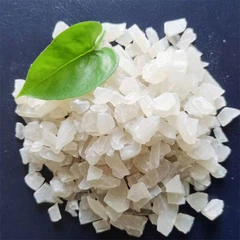
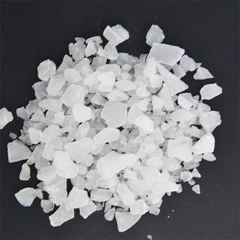
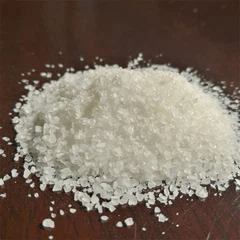
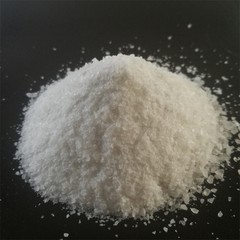
Aluminum sulphate, a compound with the chemical formula Al₂(SO₄)₃, is widely used in various industries. As a supplier of aluminum sulphate products such as Aluminum Sulphate Flake, Industrial Aluminum Sulphate, and Aluminum Sulphate Lump, I understand the importance of addressing its potential impact on human health. In this blog, we will explore how aluminum sulphate affects human health from different perspectives.
1. Basic Information about Aluminum Sulphate
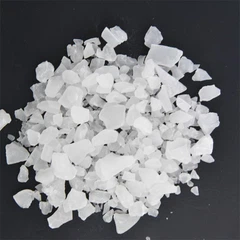
Aluminum sulphate is a white crystalline solid that is soluble in water. It is commonly produced by reacting aluminum hydroxide with sulfuric acid. Due to its coagulating properties, it is extensively used in water treatment to remove impurities and clarify water. It is also used in the paper industry, textile industry, and as a food additive in some countries.
2. Routes of Exposure
Inhalation
In industrial settings where aluminum sulphate is produced or used, workers may be exposed to airborne particles of the compound. For example, during the manufacturing process or when handling the powder form of aluminum sulphate, fine dust can be released into the air. Inhalation of these particles can lead to respiratory problems.
Ingestion
Although not a common route of exposure for the general public, ingestion can occur in cases of accidental swallowing or through contaminated water or food. In water treatment, small amounts of aluminum sulphate may remain in the treated water, and if consumed over a long period, it could potentially have an impact on health.
Dermal Contact
Direct contact with aluminum sulphate can cause skin irritation. Workers handling the compound without proper protective equipment may experience redness, itching, and in severe cases, chemical burns.
3. Effects on the Respiratory System
Inhalation of aluminum sulphate dust can cause irritation to the respiratory tract. The particles can settle in the lungs and cause inflammation. Symptoms may include coughing, shortness of breath, and wheezing. Prolonged exposure to high levels of aluminum sulphate dust can lead to more serious respiratory conditions such as pneumoconiosis, a type of lung disease caused by the inhalation of dust particles.
A study conducted on workers in aluminum sulphate manufacturing plants found that a significant number of them reported respiratory symptoms such as chest tightness and decreased lung function. The study also suggested that the risk of developing respiratory problems increased with the duration and intensity of exposure.
4. Effects on the Digestive System
When ingested, aluminum sulphate can react with the acidic environment in the stomach. It may cause irritation to the gastrointestinal tract, leading to symptoms such as nausea, vomiting, and diarrhea. In addition, excessive intake of aluminum from aluminum sulphate may interfere with the absorption of other essential minerals such as calcium, iron, and magnesium.
Long - term ingestion of aluminum has been associated with an increased risk of developing Alzheimer's disease in some studies. Although the link is not fully established, aluminum has been found to accumulate in the brain tissue of Alzheimer's patients. However, it is important to note that the amount of aluminum from aluminum sulphate in normal water treatment and food applications is usually within the safety limits set by regulatory authorities.
5. Effects on the Skin
Direct contact with aluminum sulphate can cause skin irritation. The compound is a mild irritant to the skin, and repeated or prolonged exposure can lead to dermatitis. Symptoms of skin irritation include redness, swelling, and itching. People with sensitive skin are more likely to experience these effects.
In industrial settings, workers who handle aluminum sulphate should wear appropriate protective clothing and gloves to prevent skin contact. If skin contact occurs, the affected area should be washed thoroughly with water to remove the compound.
6. Safety Measures and Regulations
To protect human health, various safety measures and regulations have been put in place. In the workplace, employers are required to provide workers with appropriate personal protective equipment such as respirators, gloves, and goggles. Ventilation systems should be installed to reduce the concentration of airborne particles.
Regulatory authorities such as the Occupational Safety and Health Administration (OSHA) in the United States have set permissible exposure limits (PELs) for aluminum sulphate dust in the workplace. These limits are designed to ensure that workers are not exposed to levels of the compound that could cause health problems.
In the water treatment industry, the amount of aluminum sulphate used is carefully regulated to ensure that the residual aluminum levels in the treated water are within acceptable limits. Different countries have different standards for the maximum allowable aluminum concentration in drinking water.
7. Minimizing the Risks
For Industrial Workers
Workers in industries where aluminum sulphate is used should receive proper training on handling the compound safely. They should wear appropriate protective equipment at all times and follow strict safety procedures. Regular health check - ups should be conducted to monitor for any signs of exposure - related health problems.
For the General Public
The general public can minimize their exposure by using water filters that can remove residual aluminum from treated water. When using products that may contain aluminum sulphate, such as certain paper products or textiles, it is advisable to follow the manufacturer's instructions and use them in well - ventilated areas.
8. Conclusion
Aluminum sulphate is a widely used compound with various industrial applications. While it can have potential health effects, the risks can be minimized through proper safety measures and regulations. As a supplier, we are committed to ensuring the safe production and distribution of our Aluminum Sulphate Flake, Industrial Aluminum Sulphate, and Aluminum Sulphate Lump products.
We understand the importance of providing our customers with high - quality products that meet all safety standards. If you have any questions about our aluminum sulphate products or their safety, please feel free to contact us for more information. We are also open to discussing your procurement needs and can provide you with detailed product specifications and pricing.


References
- "Occupational exposure to aluminum and its compounds: A review of health effects" - Journal of Occupational and Environmental Medicine
- "The role of aluminum in Alzheimer's disease" - Neurobiology of Aging
- "Respiratory health of workers in aluminum sulphate manufacturing plants" - International Journal of Occupational and Environmental Health
Send Inquiry