

How does aluminum sulphate powder act as a mordant in dyeing?
Nov 03, 2025
Leave a message
In the world of textile dyeing, achieving vibrant, long - lasting colors is a constant pursuit. One essential ingredient that has been used for centuries to enhance the dyeing process is aluminum sulphate powder. As a leading supplier of aluminum sulphate powder, I am excited to share with you how this remarkable substance acts as a mordant in dyeing.
Understanding Mordants in Dyeing
Before delving into the role of aluminum sulphate powder, it's crucial to understand what a mordant is. A mordant is a chemical substance that helps bind the dye to the fabric, improving the colorfastness and intensity of the dye. Without a mordant, many natural dyes would fade quickly or not adhere properly to the fabric. Mordants work by forming a chemical bridge between the dye molecules and the fibers of the fabric. They can also modify the color of the dye, allowing for a wider range of hues.
Chemical Properties of Aluminum Sulphate Powder
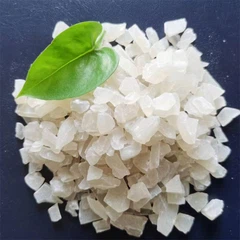
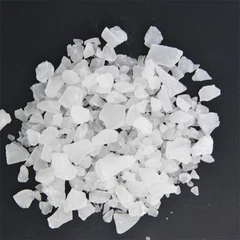
Aluminum sulphate powder, with the chemical formula Al₂(SO₄)₃, is a white crystalline solid. It is highly soluble in water, which makes it easy to use in dyeing processes. When dissolved in water, aluminum sulphate dissociates into aluminum ions (Al³⁺) and sulfate ions (SO₄²⁻). These aluminum ions are the key players in its function as a mordant.
How Aluminum Sulphate Powder Acts as a Mordant
1. Binding to Fabric Fibers
The first step in the mordanting process is the interaction between the aluminum ions from the aluminum sulphate powder and the fabric fibers. Most natural fibers, such as cotton, wool, and silk, have negatively charged sites on their surfaces. The positively charged aluminum ions are attracted to these negatively charged sites on the fibers. This electrostatic attraction allows the aluminum ions to form a weak bond with the fabric.
For example, in the case of wool, which is a protein - based fiber, the aluminum ions can interact with the carboxyl groups (-COOH) present in the amino acids that make up the wool. The aluminum ions can replace the hydrogen ions in the carboxyl groups, forming an aluminum - fiber complex.


2. Binding to Dye Molecules
Once the aluminum ions are bound to the fabric fibers, they can then interact with the dye molecules. Many natural dyes contain functional groups, such as hydroxyl (-OH) or carboxyl (-COOH) groups, that can form coordination bonds with the aluminum ions. The aluminum ions act as a bridge between the fabric and the dye, creating a stable complex.
For instance, when using a natural dye like madder root, which contains alizarin (a dye molecule with hydroxyl groups), the aluminum ions can coordinate with the hydroxyl groups of the alizarin. This coordination bond helps to anchor the dye molecule to the fabric, preventing it from being washed out easily.
3. Improving Colorfastness
The formation of the aluminum - fiber - dye complex significantly improves the colorfastness of the dyed fabric. The complex is more resistant to washing, light, and abrasion compared to the dye alone. The aluminum ions help to hold the dye molecules firmly in place on the fabric, reducing the likelihood of the dye fading or bleeding.
In addition, aluminum sulphate can also affect the pH of the dye bath. The hydrolysis of aluminum ions in water can release hydrogen ions, which can lower the pH of the solution. Some dyes require an acidic environment to achieve the best color results and colorfastness. By adjusting the pH, aluminum sulphate can optimize the dyeing conditions.
Advantages of Using Aluminum Sulphate Powder as a Mordant
1. Cost - Effective
Aluminum sulphate powder is relatively inexpensive compared to some other mordants. This makes it an attractive option for both small - scale dyers and large - scale textile manufacturers. As a supplier, we are able to offer high - quality aluminum sulphate powder at competitive prices, ensuring that our customers can achieve excellent dyeing results without breaking the bank.
2. Easy to Use
As mentioned earlier, aluminum sulphate powder is highly soluble in water. This means that it can be easily dissolved in the dye bath without the need for complex preparation steps. Dyers can simply add the appropriate amount of powder to the water and stir until it is fully dissolved.
3. Versatile
Aluminum sulphate powder can be used with a wide variety of natural and synthetic dyes. It is suitable for use on different types of fabrics, including cotton, wool, silk, and linen. This versatility makes it a popular choice among dyers who work with different materials and dyes.
Our Product Offerings
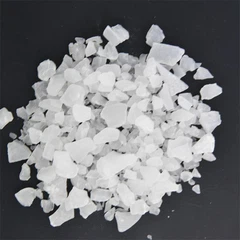
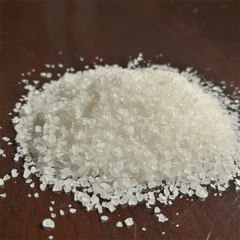
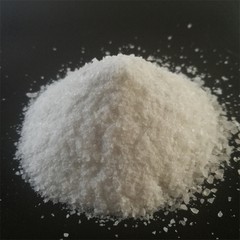
As a reliable supplier of aluminum sulphate powder, we offer high - quality products that meet the strictest industry standards. Our Aluminum Sulphate Powder is carefully manufactured to ensure consistent quality and performance. We also provide Aluminum Sulphate Flake, which is another convenient form of aluminum sulphate for dyeing applications.
In addition, we are proud to be an Aluminum Sulfate China Factory, which allows us to have full control over the production process. This ensures that we can offer our customers the best possible products at the most competitive prices.
Conclusion
Aluminum sulphate powder plays a crucial role in the dyeing process as a mordant. Its ability to bind to fabric fibers and dye molecules, improve colorfastness, and its cost - effectiveness and versatility make it an ideal choice for dyers. Whether you are a small - scale artisan or a large - scale textile manufacturer, our high - quality aluminum sulphate powder can help you achieve vibrant, long - lasting colors in your dyeing projects.
If you are interested in purchasing aluminum sulphate powder for your dyeing needs, please feel free to contact us. We are always ready to provide you with detailed product information and assist you in finding the best solution for your specific requirements.
References
- Lewis, M. (2007). Natural Dyeing: Techniques for Today's Dyer. Storey Publishing.
- Cooke, N. (2012). The Dyer's Companion: A Sourcebook of Natural Dyes and Dye Plants. Interweave Press.
- McCardle, R. (1998). Dyeing of Textiles. Woodhead Publishing.
Send Inquiry