

How does aluminum sulphate react with carbonates in water?
Jan 21, 2026
Leave a message
Hey there! I'm an aluminum sulphate supplier, and today, I wanna chat about how aluminum sulphate reacts with carbonates in water. It's a pretty cool topic with some important real - world applications, so let's dive right in.
Understanding the Reactants
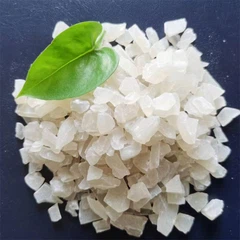
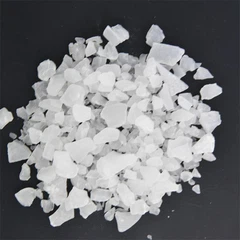
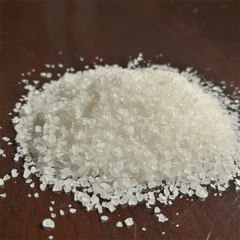
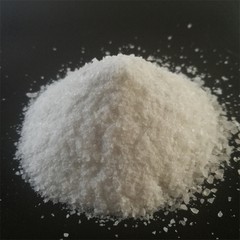
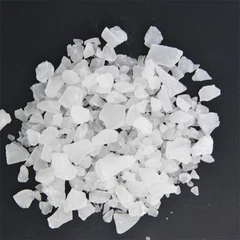
First off, let's get to know our two main players. Aluminum sulphate, which you can find in different forms like Granular Aluminum Sulfate, Aluminium Sulphate Octadecahydrate, and Industrial Aluminum Sulphate. It's a white crystalline solid that's highly soluble in water. When it dissolves, it breaks up into aluminum ions (Al³⁺) and sulfate ions (SO₄²⁻).
On the other hand, carbonates are a group of salts that contain the carbonate ion (CO₃²⁻). Common carbonates include sodium carbonate (Na₂CO₃), calcium carbonate (CaCO₃), and potassium carbonate (K₂CO₃). When these carbonates dissolve in water, they release carbonate ions.
The Reaction Process
When aluminum sulphate and carbonates are mixed in water, a series of chemical reactions take place. The key reaction is between the aluminum ions (Al³⁺) from aluminum sulphate and the carbonate ions (CO₃²⁻) from the carbonates.
The first thing that happens is that the aluminum ions react with water in a process called hydrolysis. Aluminum ions attract the water molecules, and a series of reactions occur where the water molecules lose a hydrogen ion (H⁺). This hydrolysis reaction leads to the formation of various aluminum hydroxide species and the release of hydrogen ions. The general equation for the hydrolysis of aluminum ions is:
Al³⁺ + 3H₂O ⇌ Al(OH)₃ + 3H⁺
Now, when carbonate ions are present in the solution, they react with the hydrogen ions released during the hydrolysis of aluminum ions. The reaction between carbonate ions and hydrogen ions is as follows:
CO₃²⁻ + 2H⁺ → H₂O + CO₂
This reaction produces water and carbon dioxide gas. The production of carbon dioxide is quite noticeable as you can see bubbles forming in the solution.
At the same time, the aluminum hydroxide species formed during hydrolysis, mainly the insoluble aluminum hydroxide (Al(OH)₃), starts to precipitate out of the solution. The overall reaction between aluminum sulphate and a carbonate like sodium carbonate (Na₂CO₃) can be written as:
Al₂(SO₄)₃ + 3Na₂CO₃ + 3H₂O → 2Al(OH)₃↓+ 3Na₂SO₄ + 3CO₂↑
This equation shows that when aluminum sulphate reacts with sodium carbonate in water, aluminum hydroxide precipitates (the ↓ symbol indicates precipitation), sodium sulphate remains in the solution, and carbon dioxide gas is released.
Factors Affecting the Reaction
The reaction between aluminum sulphate and carbonates in water can be influenced by several factors:
Concentration
The concentration of both aluminum sulphate and the carbonate salt matters. If the concentration of aluminum sulphate is high, there will be more aluminum ions available for hydrolysis. Similarly, a higher concentration of carbonates means more carbonate ions to react with the hydrogen ions. This can lead to a faster reaction rate and more significant production of carbon dioxide and precipitation of aluminum hydroxide.
Temperature
Temperature also plays a role. Generally, increasing the temperature speeds up chemical reactions. In the case of the reaction between aluminum sulphate and carbonates, a higher temperature will increase the rate of hydrolysis of aluminum ions and the reaction between carbonate ions and hydrogen ions. This results in a quicker release of carbon dioxide and more rapid precipitation of aluminum hydroxide.
pH
The pH of the solution is crucial. As the reaction progresses and hydrogen ions are released during the hydrolysis of aluminum ions, the pH of the solution decreases. If the initial pH is too low or too high, it can affect the formation of aluminum hydroxide. Aluminum hydroxide precipitates best in a slightly acidic to neutral pH range. If the pH is too low, the aluminum hydroxide may redissolve, and if it's too high, the reaction mechanism may change.
Real - World Applications
The reaction between aluminum sulphate and carbonates has several important real - world applications:
Water Treatment
One of the most common applications is in water treatment. Aluminum sulphate is often used as a coagulant in water treatment plants. When it reacts with natural carbonates present in water, the formation of aluminum hydroxide helps in removing suspended particles. The aluminum hydroxide forms flocs, which are large clumps that can trap and settle out suspended solids, bacteria, and other impurities in the water. This makes the water clearer and easier to filter.


Soil Amendment
In agriculture, aluminum sulphate can be used to adjust the pH of soil. When it reacts with carbonates in the soil, the release of hydrogen ions can lower the soil's pH, making it more acidic. This is beneficial for plants that prefer acidic soil conditions, such as blueberries and azaleas.
Conclusion
In conclusion, the reaction between aluminum sulphate and carbonates in water is a complex but fascinating process. It involves hydrolysis, acid - base reactions, and precipitation, and it has significant applications in water treatment, agriculture, and other industries.
If you're interested in purchasing high - quality aluminum sulphate for your specific needs, whether it's for water treatment, soil amendment, or any other application, feel free to reach out for a purchase negotiation. We're here to provide you with the best products and services.
References
- Atkins, P. W., & de Paula, J. (2006). Physical Chemistry. Oxford University Press.
- Chang, R. (2010). Chemistry (10th ed.). McGraw - Hill.
Send Inquiry