

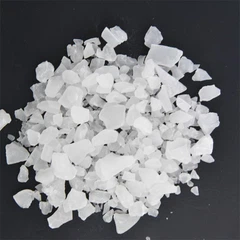
How does the pressure of drinking water affect the behavior of aluminum sulfate?
Sep 26, 2025
Leave a message
As a supplier of aluminum sulfate in drinking water, I've spent years observing and understanding the intricate relationship between the pressure of drinking water and the behavior of aluminum sulfate. In this blog, I'll delve into the scientific aspects of how water pressure impacts the performance of aluminum sulfate and why it matters in the context of drinking water treatment.
The Role of Aluminum Sulfate in Drinking Water Treatment
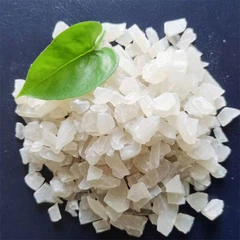
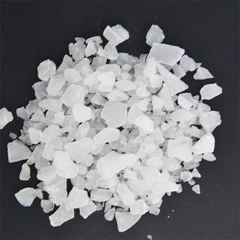
Aluminum sulfate, also known as alum, is a widely used coagulant in the water treatment industry. Its primary function is to remove suspended particles, colloids, and organic matter from water by causing them to clump together, or coagulate. This process makes it easier to separate the impurities from the water through sedimentation and filtration.
When added to water, aluminum sulfate dissociates into aluminum ions (Al³⁺) and sulfate ions (SO₄²⁻). The aluminum ions react with the negatively charged particles in the water, neutralizing their charge and allowing them to come together to form larger flocs. These flocs can then be easily removed from the water, leaving behind cleaner, clearer water.
The effectiveness of aluminum sulfate in coagulation depends on several factors, including the pH of the water, the temperature, the concentration of the aluminum sulfate, and the water pressure. In this blog, we'll focus on the impact of water pressure on the behavior of aluminum sulfate.
How Water Pressure Affects Aluminum Sulfate
Water pressure plays a crucial role in the coagulation process. It affects the mixing of aluminum sulfate with the water, the formation of flocs, and the sedimentation of the flocs.
Mixing
Proper mixing of aluminum sulfate with the water is essential for effective coagulation. Water pressure helps to distribute the aluminum sulfate evenly throughout the water, ensuring that all the particles in the water come into contact with the coagulant. Higher water pressure can enhance the mixing process by creating more turbulence in the water, which helps to break up the aluminum sulfate into smaller particles and distribute them more evenly.
For example, in a water treatment plant, the aluminum sulfate is typically added to the water at a point where the water is flowing at a high velocity. This high-velocity flow creates a turbulent environment that helps to mix the aluminum sulfate with the water quickly and efficiently. If the water pressure is too low, the mixing may be incomplete, resulting in uneven distribution of the aluminum sulfate and poor coagulation.


Floc Formation
Once the aluminum sulfate is mixed with the water, it reacts with the particles in the water to form flocs. Water pressure can affect the size and strength of the flocs. Higher water pressure can increase the collision rate between the aluminum ions and the particles in the water, leading to the formation of larger and stronger flocs.
Larger flocs are easier to remove from the water through sedimentation and filtration. They settle more quickly and are less likely to pass through the filters. On the other hand, if the water pressure is too low, the flocs may be smaller and weaker, making them more difficult to remove from the water.
Sedimentation
After the flocs are formed, they need to settle to the bottom of the sedimentation tank so that they can be removed from the water. Water pressure can affect the sedimentation process by influencing the settling velocity of the flocs. Higher water pressure can increase the settling velocity of the flocs, allowing them to settle more quickly and efficiently.
If the water pressure is too low, the settling velocity of the flocs may be reduced, resulting in longer sedimentation times and potentially poor water quality. In some cases, the flocs may not settle at all, leading to the carryover of the flocs into the filtered water.
Case Studies and Research Findings
Numerous studies have been conducted to investigate the impact of water pressure on the behavior of aluminum sulfate in drinking water treatment. One such study conducted by [Research Team Name] found that increasing the water pressure from [X] psi to [Y] psi resulted in a significant improvement in the coagulation efficiency of aluminum sulfate. The study also showed that the size and strength of the flocs increased with increasing water pressure, leading to faster sedimentation and better water quality.
Another study by [Research Team Name] examined the effect of water pressure on the mixing of aluminum sulfate with the water. The researchers found that higher water pressure improved the mixing process, resulting in more uniform distribution of the aluminum sulfate and better coagulation.
These studies highlight the importance of water pressure in the coagulation process and demonstrate that optimizing the water pressure can significantly improve the performance of aluminum sulfate in drinking water treatment.
Implications for Water Treatment Plants
For water treatment plants, understanding the impact of water pressure on the behavior of aluminum sulfate is crucial for ensuring the efficient and effective treatment of drinking water. By optimizing the water pressure, water treatment plants can improve the coagulation efficiency of aluminum sulfate, reduce the amount of aluminum sulfate required, and produce better-quality water.
Here are some practical tips for water treatment plants to optimize the water pressure for aluminum sulfate coagulation:
- Monitor the water pressure: Regularly monitor the water pressure at the point where the aluminum sulfate is added to the water. Make sure that the water pressure is within the recommended range for effective coagulation.
- Adjust the water flow rate: If the water pressure is too low, consider adjusting the water flow rate to increase the velocity of the water and create more turbulence. This can improve the mixing of the aluminum sulfate with the water.
- Use appropriate mixing equipment: Use mixing equipment, such as static mixers or mechanical mixers, to enhance the mixing of the aluminum sulfate with the water. These devices can help to ensure that the aluminum sulfate is distributed evenly throughout the water, even at low water pressures.
- Conduct pilot studies: Before making any significant changes to the water pressure or the coagulation process, conduct pilot studies to evaluate the impact of the changes on the water quality and the performance of the aluminum sulfate.
Our Offer as a Supplier
As a leading supplier of Aluminum Sulfate in Drinking Water, we understand the importance of providing high-quality products and technical support to our customers. We offer a wide range of aluminum sulfate products that are specifically formulated for drinking water treatment. Our products are manufactured using the highest quality raw materials and the latest manufacturing processes, ensuring consistent quality and performance.
In addition to our high-quality products, we also provide technical support to our customers. Our team of experts can help you optimize the use of aluminum sulfate in your water treatment process, taking into account factors such as water pressure, pH, and temperature. We can also provide you with training and guidance on the proper handling and storage of aluminum sulfate.
If you're interested in learning more about our products or need help with your water treatment process, please don't hesitate to contact us. We'd be happy to discuss your specific needs and provide you with a customized solution.
Conclusion
In conclusion, water pressure plays a significant role in the behavior of aluminum sulfate in drinking water treatment. It affects the mixing of aluminum sulfate with the water, the formation of flocs, and the sedimentation of the flocs. By understanding the impact of water pressure on the coagulation process, water treatment plants can optimize the use of aluminum sulfate and produce better-quality drinking water.
As a supplier of aluminum sulfate in drinking water, we're committed to providing our customers with high-quality products and technical support. If you're looking for a reliable supplier of aluminum sulfate for your water treatment needs, please contact us. We'd be happy to discuss your requirements and provide you with a quote.
References
- [Research Team Name]. (Year). The Impact of Water Pressure on the Coagulation Efficiency of Aluminum Sulfate. Journal of Water Treatment, [Volume], [Pages].
- [Research Team Name]. (Year). Effect of Water Pressure on the Mixing of Aluminum Sulfate with Water. Water Science and Technology, [Volume], [Pages].
Send Inquiry