

How often should aluminium sulphate fertilizer be applied?
Jun 16, 2025
Leave a message
Hey there, fellow gardening enthusiasts and farmers! I'm an aluminium sulphate fertilizer supplier, and I often get asked the question: How often should aluminium sulphate fertilizer be applied? Well, let's dig into this topic and find out.
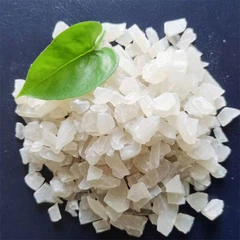
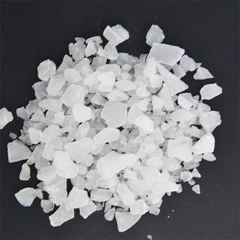
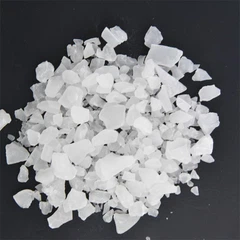
First off, let's understand what aluminium sulphate fertilizer is all about. Aluminium sulphate, often sold as Aluminium Sulphate Fertilizer, is a common soil amendment used to lower the pH of soil, making it more acidic. This is particularly useful for plants that thrive in acidic conditions, such as azaleas, rhododendrons, blueberries, and hydrangeas. It can also be used to clarify water in some agricultural and horticultural settings.
The frequency of applying aluminium sulphate fertilizer depends on several factors. One of the most important factors is the type of soil you have. Different soils have different buffering capacities, which means they can resist changes in pH to varying degrees. For example, sandy soils have a lower buffering capacity compared to clay soils. So, if you have sandy soil, you might need to apply aluminium sulphate more frequently because the soil won't hold the acidic conditions for as long.
Another factor is the type of plants you're growing. Some plants are more sensitive to soil pH than others. For instance, blueberries are extremely picky about soil acidity. They need a soil pH between 4.0 and 5.0 to grow and produce fruit properly. So, if you're growing blueberries, you'll likely need to apply aluminium sulphate more often to maintain that ideal pH range. On the other hand, some plants can tolerate a wider range of soil pH, and you may not need to apply the fertilizer as frequently.
Let's start with a general guideline. If you're just starting out and trying to adjust the soil pH for the first time, you can apply aluminium sulphate at a rate of about 5 pounds per 100 square feet of soil. This will usually lower the pH by about 1 point. After the initial application, you should test the soil pH regularly, say every 3 - 4 months. Based on the test results, you can decide whether you need to apply more aluminium sulphate.
For established plants in a garden or farm, here's a rough breakdown of application frequencies:
For Acid - Loving Shrubs like Azaleas and Rhododendrons
These plants prefer a soil pH between 4.5 and 6.0. In most cases, you can apply aluminium sulphate once a year in the spring. This will help maintain the acidic soil conditions they need throughout the growing season. However, if you notice that the leaves are starting to turn yellow (a sign of iron deficiency, which can be caused by high soil pH), you may need to apply a smaller amount in the fall as well.


For Blueberries
As I mentioned earlier, blueberries are very sensitive to soil pH. You should apply aluminium sulphate at least twice a year. Once in the early spring, just before new growth starts, and then again in the late summer. Make sure to follow the recommended application rates on the product label, as over - application can harm the plants.
For Hydrangeas
Hydrangeas are interesting because the color of their flowers can be affected by soil pH. If you want blue hydrangea flowers, you need acidic soil. You can apply aluminium sulphate every 2 - 3 months during the growing season (spring to early fall). This will help keep the soil acidic enough to produce those beautiful blue blooms.
For Lawns
If you have a lawn that has a problem with high soil pH and you want to make it more acidic, you can apply aluminium sulphate once every 1 - 2 years. However, be careful when applying it to lawns because too much aluminium can be toxic to grass. It's best to do a soil test first and follow the application rates carefully.
It's also important to note that when you're applying aluminium sulphate, you need to water the area thoroughly after application. This helps the fertilizer to dissolve and penetrate the soil. And don't forget to wear gloves and protective eyewear when handling the fertilizer, as it can be irritating to the skin and eyes.
Now, let's talk about Aluminum Sulfate Soil Amendment. This product is not only useful for adjusting soil pH but also for improving soil structure in some cases. When used as a soil amendment, it can help break up heavy clay soils, making them more porous and allowing better water and air circulation.
If you're using aluminium sulphate as a soil amendment, the application frequency can be different. For example, if you're trying to improve the structure of clay soil, you can apply it once every 3 - 5 years. This will give the soil time to gradually change its structure without over - saturating it with aluminium.
One thing I always tell my customers is to keep good records. Write down when you applied the aluminium sulphate, how much you applied, and any changes you noticed in the plants. This will help you fine - tune the application frequency over time.
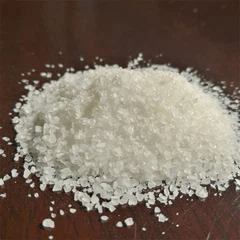
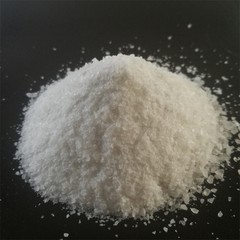
In addition to application frequency, you also need to consider the application method. You can apply aluminium sulphate either as a dry granular form or as a liquid solution. The dry granular form is easier to apply over large areas, while the liquid solution can be more precise, especially for potted plants or small garden beds.
If you're having trouble deciding how often to apply aluminium sulphate fertilizer for your specific situation, don't hesitate to reach out. I've been in the business for a long time, and I'm more than happy to help you figure it out. Whether you're a small - scale home gardener or a large - scale farmer, we have the right products and the knowledge to meet your needs.
If you're interested in purchasing our high - quality aluminium sulphate fertilizer, we'd love to have a chat with you. We can discuss your specific requirements, recommend the right application frequencies, and provide you with all the information you need to make your plants thrive. Just contact us, and let's start this gardening journey together!
References
- "Soil Fertility and Fertilizers" by Ray R. Weil and Nyle C. Brady.
- "The Complete Book of Gardening" by Reader's Digest Association.
Send Inquiry