

How to deal with deteriorated industrial aluminum sulphate?
Jul 30, 2025
Leave a message
Hey there! I'm an industrial aluminum sulphate supplier, and I've seen my fair share of issues with deteriorated aluminum sulphate. In this blog, I'm gonna share some tips on how to deal with it.
First off, let's talk about what causes industrial aluminum sulphate to deteriorate. Aluminum sulphate, with the CAS 10043-01-3, is a common chemical used in various industries like water treatment, paper manufacturing, and the textile industry. But it can degrade over time due to factors such as improper storage, exposure to moisture, and contamination.
Signs of Deteriorated Aluminum Sulphate
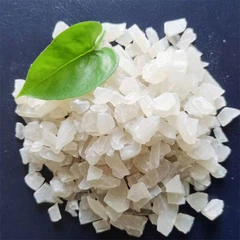
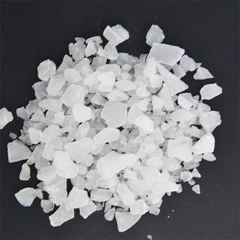
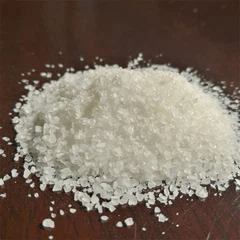
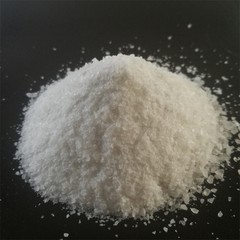
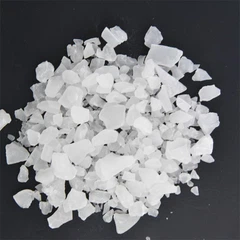
The first step in dealing with deteriorated aluminum sulphate is to recognize the signs. One of the most obvious signs is a change in its physical appearance. Our Aluminum Sulphate Powder should be a fine, white or off - white powder. If it starts to clump together, that's a red flag. For Aluminum Sulphate Lump, any signs of discoloration, like turning yellow or brown, can indicate deterioration.
Another sign is a change in its solubility. Aluminum sulphate is highly soluble in water under normal conditions. If you notice that it's taking longer to dissolve or leaving behind a residue, it might be deteriorated.
Causes of Deterioration
Improper Storage
Storing aluminum sulphate in a humid environment is a big no - no. Moisture can cause the powder to clump or the lumps to break down. It's best to store it in a dry, cool place, preferably in air - tight containers. If you're storing large quantities, make sure the storage area is well - ventilated to prevent the build - up of humidity.
Contamination
Contamination can occur when aluminum sulphate comes into contact with other chemicals. For example, if it's stored near strong acids or alkalis, there could be a chemical reaction that leads to deterioration. Also, using dirty equipment during handling can introduce impurities, which can speed up the degradation process.
Exposure to Heat
High temperatures can also affect the quality of aluminum sulphate. Prolonged exposure to heat can cause it to decompose, leading to a loss of its effectiveness. So, avoid storing it in areas where it can be exposed to direct sunlight or near heat sources.


Dealing with Deteriorated Aluminum Sulphate
Testing
Before deciding what to do with deteriorated aluminum sulphate, it's important to test it. You can do a simple solubility test by adding a small amount to water and observing how it dissolves. You can also test its pH level. A significant change in pH from the normal range can indicate deterioration. If possible, send a sample to a laboratory for a more comprehensive analysis.
Re - processing
In some cases, deteriorated aluminum sulphate can be re - processed. If the clumping is due to moisture, you can try to dry it out. Spread the clumped powder on a clean, dry surface and let it air - dry in a well - ventilated area. For more severe cases, you might need to use a low - heat oven, but be careful not to overheat it as that can cause further decomposition.
Recycling
If the aluminum sulphate is too deteriorated to be re - used directly, recycling might be an option. There are companies that specialize in recycling industrial chemicals. They can extract the aluminum and other valuable components from the deteriorated product and re - use them in the manufacturing process. This not only helps to reduce waste but also saves on raw material costs.
Disposal
If re - processing or recycling isn't an option, proper disposal is crucial. Aluminum sulphate is a chemical, so it can't be disposed of like regular waste. Check local regulations regarding the disposal of industrial chemicals. In most cases, you'll need to work with a licensed waste disposal company to ensure that it's disposed of safely and legally.
Preventing Deterioration
Proper Storage
As mentioned earlier, proper storage is key. Store aluminum sulphate in sealed containers in a dry, cool place. Use desiccants in the storage area to absorb any excess moisture. Label the containers clearly with the date of receipt and the expiration date, if applicable.
Handling Procedures
When handling aluminum sulphate, use clean equipment. Wash and dry all tools and containers before use. Avoid cross - contamination by using separate equipment for different chemicals. Train your staff on proper handling procedures to minimize the risk of introducing impurities.
Quality Control
Regularly check the quality of your aluminum sulphate stock. Do random inspections to look for signs of deterioration. Keep records of the tests and inspections so you can track the quality over time.
Conclusion
Dealing with deteriorated industrial aluminum sulphate can be a hassle, but with the right approach, you can minimize the impact. By understanding the causes of deterioration, testing the product, and choosing the appropriate course of action, you can either re - use the product or dispose of it properly. And most importantly, by implementing preventive measures, you can reduce the chances of having deteriorated aluminum sulphate in the first place.
If you're in the market for high - quality industrial aluminum sulphate or have any questions about dealing with it, feel free to reach out. We're here to help you make the most of this versatile chemical in your operations.
References
- "Handbook of Industrial Chemicals"
- "Chemical Engineering Principles for Aluminum Compounds"
- Industry guidelines on storage and handling of aluminum sulphate
Send Inquiry