

What are the effects of aluminum sulfate in drinking water on the urinary system?
Sep 03, 2025
Leave a message
Aluminum sulfate, commonly used in water treatment processes, has raised concerns regarding its potential effects on the urinary system when present in drinking water. As a supplier of Aluminum Sulfate for Water Treatment, it is crucial to understand the scientific aspects of this matter to provide accurate information to our customers.
1. Role of Aluminum Sulfate in Drinking Water Treatment
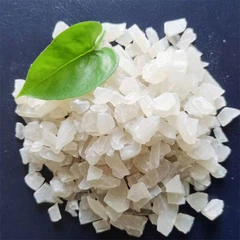
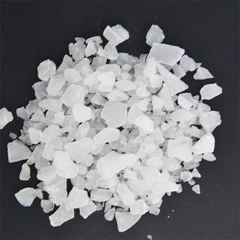
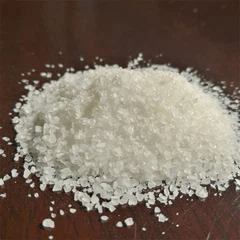
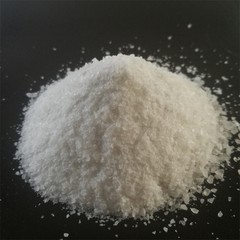
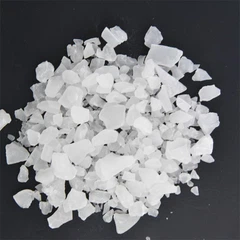
Aluminum sulfate, also known as alum, is widely employed in water treatment plants as a coagulant. Its primary function is to remove suspended particles, colloids, and some organic matter from raw water. When added to water, aluminum sulfate dissociates into aluminum ions and sulfate ions. The aluminum ions react with water to form aluminum hydroxide flocs, which can entrap and settle out impurities, making the water clearer and safer for consumption. This process is an essential step in ensuring the quality of drinking water supplied to communities. Aluminium Sulphate Water treatment using aluminum sulfate has been a long - established practice due to its effectiveness and relatively low cost.
2. Absorption and Distribution of Aluminum in the Body
Once aluminum enters the body through drinking water, a small fraction of it is absorbed in the gastrointestinal tract. The absorption rate can vary depending on factors such as the form of aluminum, the presence of other substances in the diet, and individual physiological conditions. After absorption, aluminum is transported in the bloodstream and can be distributed to various organs and tissues, including the kidneys and the urinary system.
3. Potential Effects on the Urinary System
3.1 Renal Function
The kidneys play a vital role in filtering waste products from the blood and maintaining the body's fluid and electrolyte balance. Prolonged exposure to elevated levels of aluminum in drinking water may have an impact on renal function. Some studies have suggested that aluminum can accumulate in the kidneys over time. This accumulation may interfere with the normal functioning of renal cells, potentially leading to a decrease in the glomerular filtration rate (GFR). A reduced GFR indicates that the kidneys are less efficient at filtering waste and excess fluids from the blood, which can result in the retention of toxins and fluid imbalances in the body.
3.2 Urinary Tract Infections
Aluminum may also affect the normal flora of the urinary tract. The urinary tract has a delicate balance of beneficial bacteria that help protect against infections. Alterations in this microbial balance due to aluminum exposure could potentially increase the susceptibility to urinary tract infections (UTIs). Aluminum may disrupt the cell membranes of the normal urinary tract bacteria, making it easier for pathogenic bacteria to colonize and cause infections.
3.3 Kidney Stones
There is some speculation that aluminum in drinking water may contribute to the formation of kidney stones. Aluminum can interact with other substances in the urine, such as oxalate and phosphate. These interactions may lead to the precipitation of crystals, which can eventually grow into kidney stones. However, more research is needed to establish a definitive link between aluminum in drinking water and kidney stone formation.
4. Regulatory Standards and Safety Measures
To protect public health, regulatory agencies around the world have set limits on the amount of aluminum allowed in drinking water. These standards are based on extensive research and risk assessments. For example, the World Health Organization (WHO) has established a guideline value for aluminum in drinking water to ensure that the potential health risks are minimized.


As a supplier of Aluminum Sulfate for Portable Water, we are committed to providing products that meet or exceed these regulatory standards. Our manufacturing processes are carefully monitored to ensure the quality and purity of our aluminum sulfate products. We also work closely with water treatment plants to ensure that the proper dosage of aluminum sulfate is used during the water treatment process, so that the final concentration of aluminum in the drinking water remains within the safe limits.
5. Mitigation Strategies
If there are concerns about the potential effects of aluminum in drinking water on the urinary system, several mitigation strategies can be employed. Water treatment plants can optimize their treatment processes to reduce the residual aluminum in the treated water. This may involve adjusting the dosage of aluminum sulfate, using additional filtration steps, or combining aluminum sulfate with other coagulants.
On an individual level, consumers can use home water filtration systems, such as reverse osmosis or activated carbon filters, to further reduce the aluminum content in their drinking water. These filtration systems can effectively remove a significant portion of aluminum and other contaminants, providing an extra layer of protection for the urinary system and overall health.
6. Conclusion
In conclusion, while aluminum sulfate is an effective and widely used coagulant in drinking water treatment, it is important to be aware of its potential effects on the urinary system. Although the available evidence suggests that the risks are relatively low when aluminum levels in drinking water are within the regulatory limits, continuous research is needed to fully understand the long - term impacts.
As a reliable supplier of aluminum sulfate for water treatment, we are dedicated to providing high - quality products and supporting the water treatment industry in ensuring the safety of drinking water. We encourage water treatment professionals and consumers to stay informed about the latest research and best practices in water treatment. If you have any questions or are interested in purchasing our aluminum sulfate products for water treatment, we invite you to contact us for further discussions and procurement opportunities.
References
- World Health Organization. Guidelines for Drinking - Water Quality.
- National Research Council. (2005). Toxicological Effects of Aluminum.
- Various scientific studies on the effects of aluminum on the urinary system published in peer - reviewed journals such as the Journal of Toxicology and Environmental Health.
Send Inquiry