

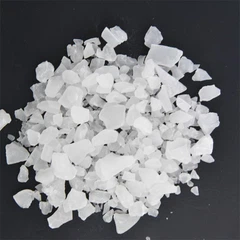
What are the impacts of impurities in electronic grade aluminum sulfate on electronic devices?
Aug 15, 2025
Leave a message
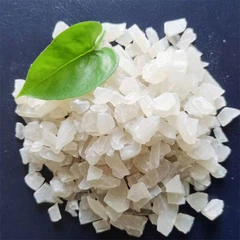
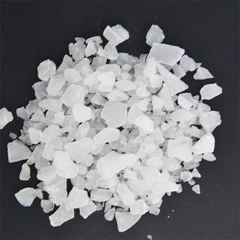
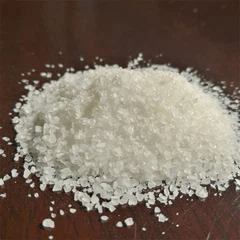
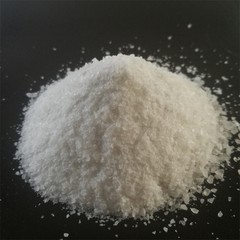
As a supplier of electronic grade aluminum sulfate, I've witnessed firsthand the critical role this compound plays in the electronics industry. Electronic grade aluminum sulfate is a high - purity chemical used in various electronic manufacturing processes, from semiconductor production to battery manufacturing. However, the presence of impurities in this material can have far - reaching impacts on electronic devices.

Understanding Electronic Grade Aluminum Sulfate
Electronic grade aluminum sulfate is characterized by its extremely high purity levels. It is used in the electronics industry because of its unique chemical and physical properties. For example, in semiconductor manufacturing, it can be used in etching processes, where a high - purity chemical is required to ensure precise and consistent results. In battery manufacturing, it can act as an electrolyte additive, and the purity of the aluminum sulfate is crucial for the performance and safety of the battery.
Types of Impurities in Electronic Grade Aluminum Sulfate
Impurities in electronic grade aluminum sulfate can come from various sources. They can be introduced during the raw material extraction process, such as iron, silicon, and heavy metals like lead and copper. Manufacturing processes can also contribute to impurities. For instance, if the production equipment is not properly cleaned or maintained, it can contaminate the final product. Organic impurities may also be present, which can come from the use of organic solvents or additives during the manufacturing process.
Impacts on Semiconductor Devices
Semiconductor devices are the heart of modern electronics, including computers, smartphones, and other digital devices. Even a small amount of impurities in electronic grade aluminum sulfate used in semiconductor manufacturing can have a significant impact.
Electrical Performance
Impurities can alter the electrical properties of semiconductor materials. For example, heavy metal impurities can introduce additional charge carriers or trap states in the semiconductor lattice. This can lead to changes in the conductivity of the semiconductor, affecting the performance of transistors and other electronic components. In some cases, it can cause leakage currents, which can increase power consumption and reduce the efficiency of the device.
Yield and Reliability
The presence of impurities can also reduce the yield of semiconductor manufacturing processes. During the etching process, impurities in the aluminum sulfate can cause uneven etching, resulting in defective semiconductor chips. These defective chips need to be discarded, increasing the production cost. Moreover, impurities can also affect the long - term reliability of semiconductor devices. Over time, the impurities can migrate within the device, causing corrosion or other forms of degradation, which can lead to device failure.
Impacts on Battery Devices
Battery devices, especially lithium - ion batteries, are widely used in portable electronics and electric vehicles. Electronic grade aluminum sulfate, specifically Battery Grade Aluminium Sulfate, is used as an electrolyte additive in some battery systems.
Electrochemical Performance
Impurities in the aluminum sulfate can interfere with the electrochemical reactions that occur within the battery. For example, metal impurities can react with the electrolyte or the electrode materials, forming unwanted compounds. This can lead to a decrease in the battery's capacity, energy density, and charging - discharging efficiency. Additionally, impurities can also cause the formation of dendrites on the electrodes, which can short - circuit the battery and pose a safety hazard.
Battery Life
The presence of impurities can significantly reduce the lifespan of a battery. As the battery undergoes multiple charging and discharging cycles, the impurities can accumulate on the electrodes, causing a gradual loss of active material and an increase in internal resistance. This leads to a decrease in the battery's performance over time, reducing the number of charge - discharge cycles the battery can endure before it needs to be replaced.
Detection and Control of Impurities
To minimize the impacts of impurities on electronic devices, it is essential to detect and control the impurity levels in electronic grade aluminum sulfate.
Detection Methods
There are several analytical techniques available for detecting impurities in aluminum sulfate. Atomic absorption spectroscopy (AAS) can be used to detect the presence of metal impurities at very low concentrations. Inductively coupled plasma mass spectrometry (ICP - MS) is another powerful technique that can provide highly accurate and sensitive analysis of multiple elements simultaneously. For organic impurities, techniques such as gas chromatography - mass spectrometry (GC - MS) can be used.
Control Measures
Controlling impurities starts from the raw material selection. High - quality raw materials with low impurity levels should be used in the production of electronic grade aluminum sulfate. During the manufacturing process, strict quality control measures should be implemented. This includes proper cleaning and maintenance of production equipment, as well as regular monitoring of the production environment. Additionally, purification processes can be used to further reduce the impurity levels in the final product.
Conclusion
The presence of impurities in electronic grade aluminum sulfate can have a profound impact on electronic devices, including semiconductor and battery devices. As a supplier of electronic grade aluminum sulfate, we understand the importance of providing high - purity products to our customers in the electronics industry. We are committed to using the latest technologies and strict quality control measures to ensure that our products meet the highest purity standards.
If you are in the electronics manufacturing industry and are looking for a reliable supplier of electronic grade aluminum sulfate, we would be delighted to discuss your specific requirements. Our team of experts can provide you with detailed information about our products and how they can meet your needs. Contact us today to start a fruitful business partnership.
References
- Smith, J. (2018). "The Role of High - Purity Chemicals in Semiconductor Manufacturing." Journal of Electronic Materials, 47(3), 156 - 162.
- Johnson, A. (2019). "Impact of Impurities on Lithium - Ion Battery Performance." Electrochemical Society Transactions, 88(1), 23 - 32.
- Brown, C. (2020). "Quality Control in the Production of Electronic Grade Chemicals." Chemical Engineering Journal, 381, 122678.
Send Inquiry