

What are the limitations of using aluminum sulphate in water treatment?
Oct 01, 2025
Leave a message
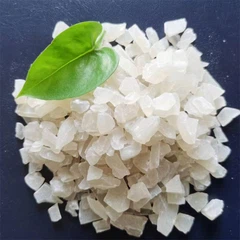
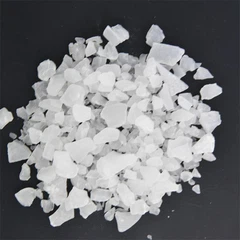
As a supplier of aluminum sulphate, I've witnessed firsthand its widespread use in water treatment. Aluminum sulphate, also known as alum, is a common coagulant used to remove suspended particles and impurities from water. It has been a staple in the water treatment industry for decades due to its effectiveness and relatively low cost. However, like any chemical used in water treatment, aluminum sulphate has its limitations. In this blog post, I'll delve into the various limitations of using aluminum sulphate in water treatment and how they can impact the process.
Chemical Reactivity and pH Sensitivity
One of the primary limitations of aluminum sulphate is its sensitivity to pH levels. Aluminum sulphate works best in a specific pH range, typically between 5.5 and 7.5. Outside of this range, its coagulation efficiency decreases significantly. At lower pH values, aluminum sulphate forms soluble aluminum complexes that do not effectively remove suspended particles. On the other hand, at higher pH values, aluminum hydroxide precipitates, which can lead to the formation of flocs that are difficult to settle and remove from the water.
This pH sensitivity requires careful monitoring and adjustment of the water's pH during the treatment process. If the pH is not properly controlled, the coagulation process may not work as intended, resulting in poor water quality. Additionally, the addition of chemicals to adjust the pH can increase the cost and complexity of the water treatment process.
Residual Aluminum in Treated Water
Another significant limitation of using aluminum sulphate is the potential for residual aluminum to remain in the treated water. Aluminum is a naturally occurring element that can be found in small amounts in the environment. However, excessive exposure to aluminum has been linked to various health issues, including neurological disorders such as Alzheimer's disease.
When aluminum sulphate is used as a coagulant, some of the aluminum may not be removed during the treatment process and can remain in the treated water. The amount of residual aluminum depends on several factors, including the dosage of aluminum sulphate, the pH of the water, and the efficiency of the treatment process. To ensure the safety of the treated water, regulatory agencies have set limits on the maximum allowable concentration of aluminum in drinking water.
As a supplier, it's important to inform our customers about the potential for residual aluminum in the treated water and to provide guidance on how to minimize its presence. This may involve using alternative coagulants or adjusting the treatment process to improve the removal of aluminum.
Formation of Trihalomethanes (THMs)
Aluminum sulphate can also contribute to the formation of trihalomethanes (THMs) in treated water. THMs are a group of disinfection by-products that are formed when chlorine or other disinfectants react with organic matter in the water. THMs are known to be carcinogenic and have been linked to an increased risk of cancer and other health problems.
When aluminum sulphate is used as a coagulant, it can help to remove some of the organic matter from the water, which can reduce the formation of THMs. However, if the water contains high levels of organic matter, the addition of aluminum sulphate may not be sufficient to prevent the formation of THMs. In some cases, the use of aluminum sulphate may even increase the formation of THMs if the coagulation process is not optimized.
To minimize the formation of THMs, it's important to use a combination of coagulants and disinfectants that are effective in removing organic matter from the water. Additionally, the treatment process should be carefully monitored and optimized to ensure that the formation of THMs is kept to a minimum.
Sludge Production and Disposal
The use of aluminum sulphate in water treatment also results in the production of sludge, which is a by-product of the coagulation and sedimentation processes. The sludge contains the suspended particles, impurities, and coagulants that have been removed from the water. The amount of sludge produced depends on several factors, including the dosage of aluminum sulphate, the quality of the raw water, and the efficiency of the treatment process.
The disposal of sludge can be a significant challenge for water treatment plants. Sludge contains high levels of moisture and can be difficult to dewater and dispose of properly. In some cases, the sludge may contain hazardous substances, such as heavy metals, which require special handling and disposal procedures.
As a supplier, we can work with our customers to develop strategies for minimizing sludge production and improving the efficiency of sludge disposal. This may involve using alternative coagulants that produce less sludge or implementing advanced treatment technologies that can reduce the volume of sludge generated.
Impact on Aquatic Ecosystems
The discharge of treated water containing aluminum and other chemicals used in the treatment process can have a negative impact on aquatic ecosystems. Aluminum can be toxic to aquatic organisms, especially at high concentrations. It can affect the growth, reproduction, and survival of fish, invertebrates, and other aquatic species.
In addition to aluminum, the use of other chemicals such as chlorine and pH adjusters can also have an impact on the water's chemistry and the health of aquatic ecosystems. For example, the addition of chlorine can react with organic matter in the water to form disinfection by-products, which can be harmful to aquatic organisms.
To minimize the impact on aquatic ecosystems, water treatment plants should follow best management practices for the discharge of treated water. This may involve treating the water to reduce the concentration of aluminum and other chemicals before discharge, monitoring the water quality downstream of the treatment plant, and implementing measures to protect sensitive aquatic habitats.
Conclusion
While aluminum sulphate is a widely used and effective coagulant in water treatment, it has several limitations that need to be considered. These limitations include its pH sensitivity, the potential for residual aluminum in the treated water, the formation of trihalomethanes, sludge production and disposal, and the impact on aquatic ecosystems.
As a supplier of aluminum sulphate, it's our responsibility to inform our customers about these limitations and to provide them with the information and support they need to make informed decisions about the use of aluminum sulphate in their water treatment processes. We can also work with our customers to develop alternative solutions that can help to overcome these limitations and improve the efficiency and sustainability of their water treatment operations.


If you're interested in learning more about our aluminum sulphate products or discussing alternative water treatment solutions, please don't hesitate to [initiate a conversation with us]. We're here to help you find the best solutions for your water treatment needs.
References
- American Water Works Association. (2019). Water Treatment Plant Design. McGraw-Hill Education.
- World Health Organization. (2017). Guidelines for Drinking-Water Quality. World Health Organization.
- USEPA. (2021). National Primary Drinking Water Regulations. United States Environmental Protection Agency.
Send Inquiry