

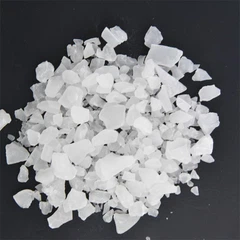
What is the effect of 15.8% aluminum sulphate on soil pH?
Nov 26, 2025
Leave a message
Soil pH is a crucial factor that significantly influences the growth and health of plants. It affects nutrient availability, microbial activity, and overall soil fertility. Many gardeners, farmers, and horticulturists are constantly seeking ways to adjust soil pH to create optimal growing conditions for their crops or plants. One commonly used soil amendment is 15.8% aluminum sulphate, which I am proud to supply. In this blog post, I'll explore the effects of 15.8% aluminum sulphate on soil pH and how it can be a valuable tool for soil management.
Understanding Soil pH
Before delving into the impact of 15.8% aluminum sulphate on soil pH, it's essential to understand what soil pH is and why it matters. Soil pH is a measure of the acidity or alkalinity of the soil, ranging from 0 to 14. A pH of 7 is considered neutral, values below 7 are acidic, and values above 7 are alkaline.
Different plants have different pH preferences. For example, blueberries thrive in acidic soil with a pH between 4.0 and 5.5, while asparagus prefers a more alkaline soil with a pH between 6.5 and 7.5. When the soil pH is outside the optimal range for a particular plant, it can lead to nutrient deficiencies, poor growth, and increased susceptibility to diseases and pests.
How Aluminum Sulphate Affects Soil pH
Aluminum sulphate, when applied to the soil, reacts with water and soil components to release hydrogen ions (H+). The chemical reaction can be simplified as follows:
Al₂(SO₄)₃ + 6H₂O → 2Al(OH)₃ + 3H₂SO₄
The sulfuric acid (H₂SO₄) produced in this reaction dissociates in water to release hydrogen ions, which lower the soil pH, making the soil more acidic.
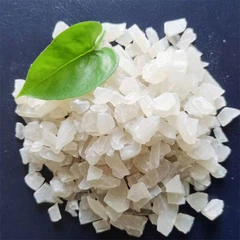
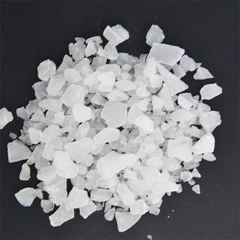
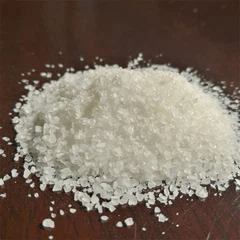
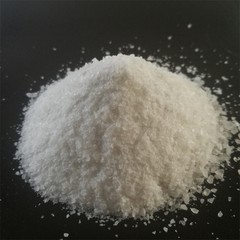
The 15.8% aluminum sulphate I supply is a carefully formulated product that can effectively and gradually adjust the soil pH. The percentage indicates the concentration of aluminum sulphate in the product, which is an important factor in determining its effectiveness in acidifying the soil.
Benefits of Using 15.8% Aluminum Sulphate to Lower Soil pH
1. Nutrient Availability
Lowering the soil pH with 15.8% aluminum sulphate can increase the availability of certain nutrients that are essential for plant growth. For example, iron, manganese, and zinc are more soluble and available to plants in acidic soil. By adjusting the soil pH to the optimal range for a particular plant, we can ensure that these nutrients are readily absorbed by the roots, promoting healthy growth and development.
2. Suitable for Acid - Loving Plants
As mentioned earlier, many plants, such as azaleas, rhododendrons, and camellias, prefer acidic soil. Applying 15.8% aluminum sulphate can create the ideal growing environment for these acid - loving plants, allowing them to thrive and produce vibrant blooms.
3. Gradual pH Adjustment
One of the advantages of using 15.8% aluminum sulphate is that it provides a gradual adjustment of soil pH. Sudden and drastic changes in soil pH can be harmful to plants, causing stress and damage. The slow - release nature of aluminum sulphate ensures that the soil pH changes gradually, giving plants time to adapt to the new conditions.
Application of 15.8% Aluminum Sulphate
The application rate of 15.8% aluminum sulphate depends on several factors, including the current soil pH, the desired pH level, and the type of soil. Generally, a soil test is recommended before applying aluminum sulphate to determine the exact amount needed.


For sandy soils, which have a lower buffering capacity, less aluminum sulphate may be required compared to clay soils, which have a higher buffering capacity and can resist changes in pH more effectively. As a general guideline, for every 0.1 unit decrease in soil pH in a 100 - square - foot area, approximately 1 - 2 pounds of 15.8% aluminum sulphate may be needed.
It's important to apply the aluminum sulphate evenly over the soil surface and then incorporate it into the top 6 - 8 inches of soil using a tiller or a garden fork. After application, the soil should be watered thoroughly to help the aluminum sulphate dissolve and react with the soil.
Our Product Range
As a reliable supplier of 15.8% aluminum sulphate, I also offer a variety of related products that can meet different soil management needs. You can explore our Aluminium Sulphate Octadecahydrate, which has unique properties and applications. Another option is our Ferric Aluminium Sulphate, which combines the benefits of iron and aluminum for enhanced soil treatment. And if you're interested in our manufacturing capabilities, visit our Aluminum Sulfate China Factory page to learn more about our production processes and quality control.
Precautions When Using 15.8% Aluminum Sulphate
While 15.8% aluminum sulphate can be an effective soil amendment, it's important to use it with caution. Over - application of aluminum sulphate can lead to excessive soil acidity, which can be harmful to plants. High levels of aluminum in the soil can also be toxic to some plants, especially at very low pH levels.
It's crucial to follow the recommended application rates and monitor the soil pH regularly after application. A soil test should be conducted every few months to ensure that the soil pH remains within the desired range.
Conclusion
15.8% aluminum sulphate is a valuable tool for adjusting soil pH and creating optimal growing conditions for acid - loving plants. By understanding how it works and following the proper application guidelines, gardeners, farmers, and horticulturists can effectively manage soil pH and improve plant health and productivity.
If you're interested in purchasing our high - quality 15.8% aluminum sulphate or any of our related products, please feel free to contact us for more information and to start a procurement discussion. We are committed to providing you with the best products and services to meet your soil management needs.
References
- Brady, N. C., & Weil, R. R. (2002). The Nature and Properties of Soils. Prentice Hall.
- Marschner, H. (2012). Mineral Nutrition of Higher Plants. Academic Press.
- United States Department of Agriculture (USDA). (n.d.). Soil Quality Indicators: pH. Retrieved from [USDA website]
Send Inquiry