

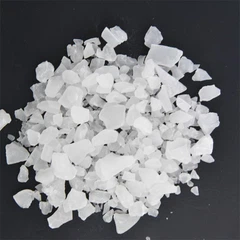
What is the effect of aluminium sulphate fertilizer on soil calcium availability?
Jan 01, 2026
Leave a message
What is the effect of aluminium sulphate fertilizer on soil calcium availability?
As a supplier of aluminium sulphate fertilizer, I've witnessed firsthand the growing interest in this product, especially regarding its impact on soil health. One crucial aspect that often comes under scrutiny is its effect on soil calcium availability. In this blog, we'll delve into the science behind aluminium sulphate fertilizer and how it interacts with soil calcium, offering insights that can help farmers and gardeners make informed decisions.
Understanding Aluminium Sulphate Fertilizer
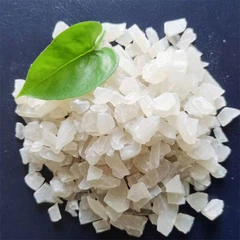
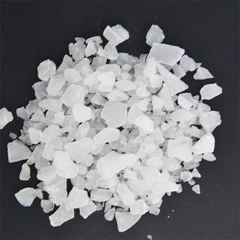
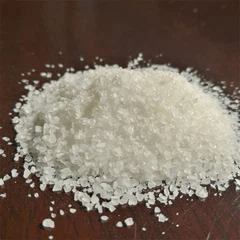
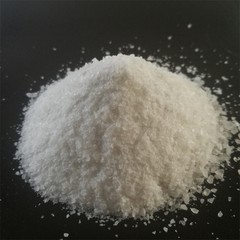
Aluminium sulphate, commonly known as alum, has been used in agriculture for various purposes. It is primarily recognized for its ability to lower soil pH, making it an ideal choice for acid-loving plants such as blueberries, azaleas, and rhododendrons. When applied to the soil, aluminium sulphate dissociates into aluminium ions (Al³⁺) and sulphate ions (SO₄²⁻). The aluminium ions react with water in the soil, releasing hydrogen ions (H⁺), which in turn lower the soil pH.
You can learn more about the use of aluminium sulphate as a soil amendment at Aluminum Sulfate Soil Amendment.
The Role of Calcium in Soil
Calcium is an essential nutrient for plants, playing a vital role in cell wall structure, membrane integrity, and enzyme activation. It also helps to maintain soil structure by promoting the aggregation of soil particles, which improves soil porosity and water infiltration. Adequate calcium levels in the soil are crucial for healthy plant growth and development.
In alkaline soils, calcium is typically present in sufficient amounts. However, in acidic soils, calcium availability can be limited due to the leaching of calcium ions by hydrogen ions. This is where aluminium sulphate fertilizer can have a significant impact.
How Aluminium Sulphate Affects Soil Calcium Availability
The application of aluminium sulphate fertilizer can have both positive and negative effects on soil calcium availability, depending on the soil conditions and the rate of application.
Positive Effects
- pH Adjustment: By lowering the soil pH, aluminium sulphate can increase the solubility of calcium in the soil. In alkaline soils, calcium carbonate (CaCO₃) is the dominant form of calcium, which is relatively insoluble. When the soil pH is lowered, calcium carbonate reacts with hydrogen ions to form calcium ions (Ca²⁺) and carbon dioxide (CO₂), making calcium more available for plant uptake.
- Soil Aggregation: Aluminium ions can also promote soil aggregation by binding to soil particles and forming bridges between them. This improves soil structure, making it easier for plant roots to penetrate the soil and access nutrients, including calcium.
Negative Effects
- Calcium Leaching: In highly acidic soils, the application of aluminium sulphate can increase the leaching of calcium ions from the soil. This is because the increased concentration of hydrogen ions in the soil can displace calcium ions from the soil particles, making them more susceptible to leaching by water.
- Aluminium Toxicity: Excessive application of aluminium sulphate can lead to aluminium toxicity in plants. Aluminium ions can interfere with the uptake of calcium and other nutrients by plant roots, causing stunted growth, leaf discoloration, and reduced yield.
Factors Affecting the Impact of Aluminium Sulphate on Soil Calcium Availability
The impact of aluminium sulphate fertilizer on soil calcium availability depends on several factors, including:
- Soil pH: The initial soil pH plays a crucial role in determining the effect of aluminium sulphate on soil calcium availability. In alkaline soils, the application of aluminium sulphate is more likely to increase calcium availability, while in acidic soils, it may increase the risk of calcium leaching.
- Rate of Application: The rate of application of aluminium sulphate is also important. Applying too much aluminium sulphate can lead to excessive acidification of the soil, which can increase the leaching of calcium and other nutrients. It is recommended to follow the manufacturer's instructions and conduct soil tests before applying aluminium sulphate fertilizer.
- Soil Type: Different soil types have different cation exchange capacities (CEC), which determine their ability to retain and release nutrients. Soils with a high CEC, such as clay soils, are more likely to retain calcium and other nutrients, while soils with a low CEC, such as sandy soils, are more prone to leaching.
Managing Soil Calcium Availability with Aluminium Sulphate Fertilizer
To maximize the benefits of aluminium sulphate fertilizer while minimizing its negative effects on soil calcium availability, it is important to follow these best practices:


- Conduct Soil Tests: Before applying aluminium sulphate fertilizer, it is recommended to conduct a soil test to determine the soil pH, calcium levels, and other nutrient status. This will help you determine the appropriate rate of application and avoid over-application.
- Apply in Moderation: It is important to apply aluminium sulphate fertilizer in moderation to avoid excessive acidification of the soil. Follow the manufacturer's instructions and apply the fertilizer at the recommended rate.
- Monitor Soil pH: Regularly monitor the soil pH to ensure that it remains within the optimal range for your plants. If the soil pH becomes too acidic, you may need to apply lime to raise the pH and increase calcium availability.
- Combine with Other Fertilizers: Aluminium sulphate fertilizer can be combined with other fertilizers, such as calcium-containing fertilizers, to provide a balanced supply of nutrients to your plants. This can help to maintain soil calcium levels and prevent calcium deficiency.
Conclusion
Aluminium sulphate fertilizer can have a significant impact on soil calcium availability, depending on the soil conditions and the rate of application. While it can increase calcium availability in alkaline soils by lowering the soil pH, it can also increase the risk of calcium leaching in acidic soils. By following best practices and conducting regular soil tests, you can manage soil calcium availability and ensure healthy plant growth.
If you're interested in learning more about our Aluminium Sulphate Fertilizer or have any questions about its application, please don't hesitate to contact us. We're here to help you make the most of your soil and achieve optimal plant growth.
References
- Brady, N. C., & Weil, R. R. (2008). The nature and properties of soils. Pearson Prentice Hall.
- Marschner, H. (2012). Mineral nutrition of higher plants. Academic Press.
- Mengel, K., & Kirkby, E. A. (2001). Principles of plant nutrition. Kluwer Academic Publishers.
Send Inquiry