

What is the impact of aluminium sulfate on the color removal efficiency in water treatment?
Oct 29, 2025
Leave a message
Hey there! As a supplier of aluminium sulfate for water treatment, I've been getting a lot of questions lately about its impact on color removal efficiency in water treatment. So, I thought I'd write this blog to share some insights based on my experience and the latest research.
First off, let's talk about why color removal in water is such a big deal. In many industries, like textile, paper, and food processing, colored wastewater is a common by - product. This colored water not only looks unappealing but can also contain harmful substances. For example, in the textile industry, dyes can be toxic to aquatic life and may even pose risks to human health if the water is not properly treated.
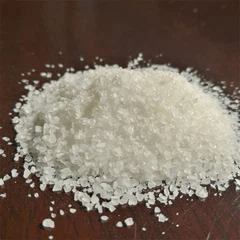
Now, let's dive into how aluminium sulfate comes into play. Aluminium sulfate, with the CAS 10043 - 01 - 3, is a well - known coagulant in water treatment. When it's added to water, it dissociates into aluminium ions. These ions react with the negatively charged particles in the water, including the color - causing substances.
The coagulation process is key here. The aluminium ions neutralize the charges on the colloidal particles that are responsible for the color in the water. Once the charges are neutralized, the particles start to clump together, forming larger flocs. These flocs are then easier to remove through sedimentation or filtration.
One of the factors that affect the color removal efficiency of aluminium sulfate is the pH of the water. The optimal pH range for aluminium sulfate to work effectively as a coagulant is usually between 5.5 and 7.5. At this pH, the aluminium hydroxide formed from the reaction of aluminium ions with water has the best coagulation properties. If the pH is too low or too high, the coagulation process may not be as efficient, and the color removal rate will drop.
Another important factor is the dosage of aluminium sulfate. If you don't add enough, there won't be enough aluminium ions to neutralize all the charged particles, and the color won't be removed effectively. On the other hand, adding too much can lead to over - coagulation. This can cause the flocs to break apart and redisperse in the water, again reducing the color removal efficiency.
In comparison with other coagulants, aluminium sulfate has some advantages. It's relatively inexpensive and widely available. For small - to medium - sized water treatment plants, it can be a cost - effective option. However, it also has its limitations. In some cases, especially when dealing with very high - strength colored wastewater, it may not be as effective as some other coagulants like Ferric Aluminium Sulphate. Ferric Aluminium Sulphate combines the properties of both iron and aluminium coagulants and can sometimes achieve better color removal results, especially for more complex wastewater compositions.


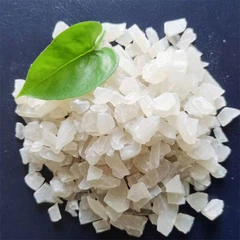
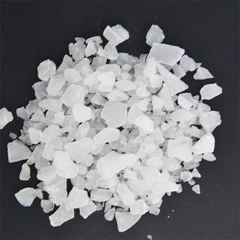
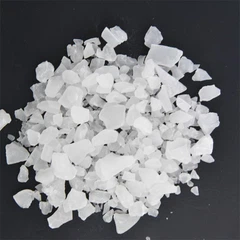
We also offer Aluminum Sulphate Flake, which has its own benefits. The flake form is easy to handle and store. It dissolves quickly in water, allowing for a more rapid start of the coagulation process. This can be particularly useful in situations where a quick treatment response is needed.
In real - world applications, the color removal efficiency of aluminium sulfate can vary widely. In some cases, it can achieve color removal rates of over 90% for relatively simple colored wastewaters. But for more challenging wastewaters, like those from the printing and dyeing industry, the efficiency may be lower, perhaps in the range of 60 - 80%.
To improve the color removal efficiency, sometimes pre - treatment steps can be taken. For example, adjusting the pH of the water before adding aluminium sulfate can optimize the coagulation conditions. Also, combining aluminium sulfate with other treatment methods, such as activated carbon adsorption, can enhance the overall color removal performance.
We've conducted some case studies in different industries. In a small - scale textile factory, we found that by carefully adjusting the dosage of aluminium sulfate and the pH of the wastewater, we were able to achieve a color removal rate of around 85%. In a paper mill, the combination of aluminium sulfate with a small amount of polymer flocculant improved the sedimentation of the flocs and increased the color removal efficiency to over 90%.
If you're in the water treatment business and are looking for a reliable coagulant for color removal, aluminium sulfate could be a great option. We, as a supplier, have a wide range of aluminium sulfate products to meet your specific needs. Whether you need the common aluminium sulfate or the Ferric Aluminium Sulphate for more challenging applications, or the easy - to - handle Aluminum Sulphate Flake, we've got you covered.
If you're interested in learning more about our products or want to discuss your specific water treatment requirements, don't hesitate to get in touch. We can provide you with samples, technical support, and pricing information. Let's work together to find the best solution for your color removal needs in water treatment.
References
- Letterman, R. D. (2016). Water Quality and Treatment: A Handbook of Community Water Supplies. McGraw - Hill Education.
- Metcalf & Eddy (2014). Wastewater Engineering: Treatment and Resource Recovery. McGraw - Hill Education.
- USEPA (2018). Coagulation and Flocculation in Water and Wastewater Treatment. United States Environmental Protection Agency.
Send Inquiry