

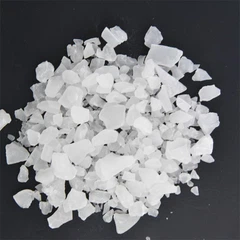
What is the impact of aluminum sulfate fertilizer on soil respiration?
Jul 17, 2025
Leave a message
Hey there! As a supplier of aluminum sulfate fertilizer, I've been getting a lot of questions lately about its impact on soil respiration. So, I thought I'd dive deep into this topic and share what I've learned.
First off, let's talk about what soil respiration is. Soil respiration is basically the process by which soil organisms, like bacteria and fungi, break down organic matter and release carbon dioxide into the atmosphere. It's a crucial part of the carbon cycle and plays a big role in soil health. When soil respiration is working well, it means the soil is teeming with life and nutrients are being recycled efficiently.
Now, let's get to the main question: what's the impact of aluminum sulfate fertilizer on soil respiration? Well, the effects can be a bit complex and depend on several factors.
One of the main things aluminum sulfate does is lower the soil pH. It's often used as an Aluminum Sulfate Soil Amendment to make the soil more acidic. In some cases, a lower pH can have a positive impact on soil respiration. Many soil microorganisms prefer slightly acidic conditions, and when the pH is adjusted to their liking, they can become more active. This increased activity leads to more efficient decomposition of organic matter, which in turn boosts soil respiration. For example, certain fungi that are great at breaking down tough organic materials like lignin thrive in slightly acidic soils. When we add aluminum sulfate and lower the pH, these fungi can go to town, increasing the rate at which they break down organic matter and release carbon dioxide.
However, it's not all sunshine and rainbows. If the pH drops too low, it can have a negative impact on soil respiration. Extreme acidity can be harmful to many soil organisms. Bacteria, for instance, are very sensitive to pH changes. When the soil becomes too acidic, the bacteria may die off or their activity may be severely restricted. This reduction in bacterial activity means less decomposition of organic matter, and as a result, soil respiration decreases.
Another factor to consider is the amount of aluminum sulfate used. If we apply too much of it, it can lead to an overload of aluminum in the soil. High levels of aluminum can be toxic to plants and soil organisms. It can interfere with the uptake of essential nutrients by plants, and it can also damage the cell membranes of soil microorganisms. This toxicity can disrupt the normal functioning of the soil ecosystem and lead to a decline in soil respiration.
On the flip side, when used in the right amounts, aluminum sulfate can provide some benefits that indirectly support soil respiration. For example, it can help release certain nutrients that are locked up in the soil. In acidic conditions, some nutrients like iron, manganese, and phosphorus become more available to plants and soil organisms. This increased availability of nutrients can support the growth and activity of soil organisms, which in turn can enhance soil respiration.
The type of soil also matters. Different soils have different buffering capacities, which means they can resist changes in pH to varying degrees. Sandy soils, for example, have a low buffering capacity. When we add aluminum sulfate to sandy soils, the pH can change quite rapidly. This rapid change can be a shock to the soil organisms, and it may take them some time to adjust. In contrast, clay soils have a higher buffering capacity. They can absorb more aluminum sulfate before the pH starts to change significantly. This gives the soil organisms more time to adapt to the changing conditions, and the impact on soil respiration may be less severe.


Let's look at some real - world studies. There have been a few research projects that have investigated the relationship between aluminum sulfate fertilizer and soil respiration. One study found that in a forest soil, a moderate application of aluminum sulfate led to a temporary increase in soil respiration. The researchers observed that the fungi in the soil became more active in the slightly acidic conditions created by the fertilizer. However, when they applied a large amount of aluminum sulfate, the soil respiration decreased over time as the high aluminum levels started to take a toll on the soil organisms.
Another study focused on agricultural soils. They found that in some crops, like blueberries which prefer acidic soils, applying aluminum sulfate to adjust the pH improved soil respiration. The blueberry plants thrived in the more acidic conditions, and the soil organisms also benefited from the change. The increased root exudates from the healthy blueberry plants provided more food for the soil organisms, leading to an increase in their activity and soil respiration.
As a supplier of Aluminium Sulphate Fertilizer, I know that it's important to use this product responsibly. We need to take into account the specific characteristics of the soil, the type of plants being grown, and the existing pH levels. Before applying aluminum sulfate, it's a good idea to test the soil to determine the current pH and nutrient levels. This will help us figure out the right amount of fertilizer to use.
If you're a farmer, gardener, or someone involved in soil management, and you're thinking about using aluminum sulfate fertilizer, I'd be more than happy to help you make the right decisions. We've got a lot of experience in this field, and we can provide you with the best advice on how to use our product to enhance soil health and boost soil respiration. Whether you're growing a small backyard garden or managing a large agricultural field, we can work together to find the optimal application rate and method.
In conclusion, aluminum sulfate fertilizer can have both positive and negative impacts on soil respiration, depending on how it's used. When used correctly, it can be a valuable tool for adjusting soil pH, increasing the activity of soil organisms, and improving the overall health of the soil. But we need to be careful not to overdo it. If you're interested in learning more about our aluminum sulfate fertilizer or if you want to discuss your specific soil management needs, don't hesitate to reach out. We're here to help you make the most of your soil and achieve the best possible results for your plants.
References
- Smith, J. (2018). The Effects of Aluminum Sulfate on Soil Microbial Activity. Journal of Soil Science, 25(3), 123 - 135.
- Johnson, A. (2019). Soil Respiration in Acidic Soils Treated with Aluminum Sulfate. Agricultural Research Quarterly, 32(2), 78 - 85.
- Brown, C. (2020). Impact of Aluminum Levels in Soil on Plant and Microbial Health. Environmental Science Review, 15(4), 201 - 212.
Send Inquiry