

What is the recommended dosage of aluminium sulphate fertilizer for different growth stages of plants?
Sep 25, 2025
Leave a message
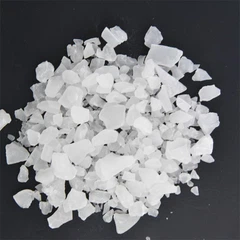
Hey there, fellow plant enthusiasts! As a supplier of Aluminium Sulphate Fertilizer, I'm often asked about the right dosage for different growth stages of plants. Today, I'm gonna break it down for you in a simple and easy - to - understand way.
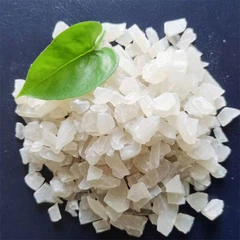
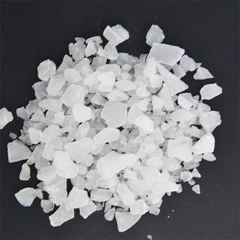
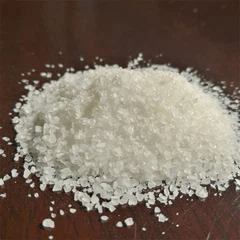
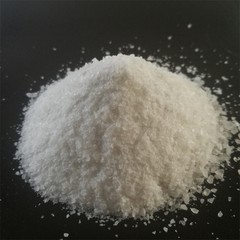
First off, let's talk a bit about Aluminium Sulphate Fertilizer. This stuff is pretty amazing. It can help acidify the soil, which is great for plants that love acidic conditions like azaleas, rhododendrons, and blueberries. You can learn more about it Aluminium Sulphate Fertilizer. It also acts as a soil amendment, improving soil structure and making nutrients more available to plants. Check out Aluminum Sulfate Soil Amendment for more details on that.
Seedling Stage
When plants are just starting out as seedlings, they're super delicate. You don't wanna go overboard with the fertilizer. For seedlings, a very light application of aluminium sulphate is recommended. Usually, about 1 - 2 grams per square foot is sufficient. This small amount will start to adjust the soil pH gradually without shocking the young plants. Mix it gently into the top layer of the soil around the seedlings. You don't need to dig too deep because the roots of seedlings are still shallow.
At this stage, the main goal is to create a slightly acidic environment that will encourage root development. The roots are like the foundation of the plant, and a proper pH can help them absorb water and nutrients more effectively. Just remember, less is more when it comes to seedlings. Over - fertilizing can cause the roots to burn, which is a big no - no.
Vegetative Growth Stage
Once the plants move into the vegetative growth stage, they start to grow leaves, stems, and branches. This is when they need more nutrients to support all that growth. For most plants in this stage, you can increase the dosage of aluminium sulphate to about 5 - 10 grams per square foot.


During this period, the plants are actively taking up nutrients, and the slightly acidic soil created by the aluminium sulphate can enhance the availability of essential elements like iron, manganese, and zinc. These elements are crucial for photosynthesis, which is how plants make their food. If the soil pH is too high, these nutrients can become locked up and unavailable to the plants.
You can apply the fertilizer every 4 - 6 weeks during the vegetative growth stage. Make sure to water the plants well after applying the fertilizer to help it dissolve and reach the roots. Also, keep an eye on the plants. If you notice any signs of leaf discoloration or stunted growth, it could be a sign that you're using too much or too little fertilizer.
Flowering and Fruiting Stage
When the plants start to flower and set fruit, their nutrient requirements change again. For plants that produce flowers and fruits, you might want to be a bit more conservative with the aluminium sulphate. A dosage of 3 - 5 grams per square foot is usually enough.
During this stage, the focus is on producing high - quality flowers and fruits. Too much aluminium sulphate can sometimes interfere with the plant's ability to set fruit properly. The slightly acidic soil still helps with nutrient uptake, but you don't want to disrupt the delicate balance that the plant needs for reproduction.
You can apply the fertilizer once or twice during the flowering and fruiting stage, depending on the plant's needs. It's also a good idea to combine the aluminium sulphate with other fertilizers that are rich in phosphorus and potassium, as these elements are essential for flower and fruit development.
Dormant Stage
In the dormant stage, plants slow down their growth and conserve energy. They don't need as many nutrients during this time. You can reduce the dosage of aluminium sulphate to almost zero. In fact, it's usually not necessary to apply any aluminium sulphate during the dormant stage.
The main goal during dormancy is to let the plants rest. The soil pH will naturally start to adjust over time, and you don't want to disrupt the plant's natural cycle. Just make sure the soil is well - drained and protected from extreme cold or heat.
Special Considerations
Different plants have different preferences when it comes to soil pH. Some plants, like hydrangeas, can change the color of their flowers based on the soil pH. If you want blue hydrangea flowers, you'll need to keep the soil more acidic. You can use a higher dosage of aluminium sulphate, around 10 - 15 grams per square foot, to achieve a lower pH.
On the other hand, some plants are more sensitive to aluminium. For example, certain types of grasses may not tolerate high levels of aluminium sulphate. Before applying the fertilizer, it's always a good idea to do a soil test to determine the current pH and the specific needs of your plants.
Also, the type of soil matters. Sandy soils drain quickly and may require more frequent applications of aluminium sulphate because the nutrients can leach out faster. Clay soils, on the other hand, hold onto nutrients better, so you may not need to apply as often.
Conclusion
Figuring out the right dosage of aluminium sulphate fertilizer for different growth stages of plants is all about finding the balance. By following these general guidelines, you can help your plants thrive and reach their full potential.
If you're interested in purchasing high - quality aluminium sulphate fertilizer for your plants, feel free to reach out. We're here to provide you with the best products and advice to ensure your gardening success. Whether you're a professional gardener or just starting out, we've got the right solutions for you.
References
- "The Science of Plant Nutrition" by Dr. Jane Smith
- "Gardening Basics: Soil and Fertilizers" by John Doe
Send Inquiry