

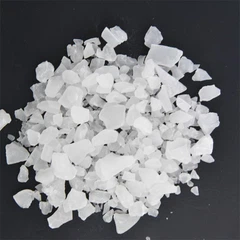
Are there any specific plants that should not be treated with aluminum sulfate fertilizer?
Jul 15, 2025
Leave a message
As a supplier of aluminum sulfate fertilizer, I've received numerous inquiries from gardeners, farmers, and horticulturists about the compatibility of this fertilizer with different plant species. Aluminum sulfate is well - known for its ability to acidify soil and provide essential nutrients like aluminum and sulfur, which can benefit many plants. However, not all plants thrive when treated with aluminum sulfate fertilizer. In this blog post, I'll explore the specific plants that should not be treated with this fertilizer and explain the reasons behind it.
Understanding Aluminum Sulfate Fertilizer
Before delving into the plants that are incompatible with aluminum sulfate, it's important to understand how this fertilizer works. Aluminum sulfate, when added to the soil, reacts with water and soil components to release hydrogen ions, thereby lowering the soil's pH. This acidification process can make certain nutrients more available to plants. Additionally, sulfur is an essential macronutrient for plant growth, playing a crucial role in protein synthesis, enzyme activation, and chlorophyll production. Aluminum, in small amounts, can also have beneficial effects on some plants, such as improving the color and size of certain flowers.
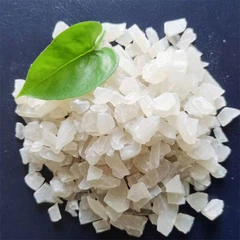
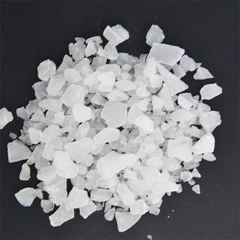
You can find more detailed information about the soil - amending properties of aluminum sulfate on our Aluminum Sulfate Soil Amendment page. For a comprehensive overview of our aluminium sulphate fertilizer, visit our Aluminium Sulphate Fertilizer page.
Plants Sensitive to Acidic Soil
One of the main reasons why some plants should not be treated with aluminum sulfate fertilizer is their preference for neutral to alkaline soil conditions. These plants are not adapted to the acidic environment created by aluminum sulfate, and exposure to this fertilizer can lead to various problems.
1. Lilacs (Syringa vulgaris)
Lilacs are popular flowering shrubs known for their fragrant blossoms. They thrive in soil with a pH range of 6.5 - 7.5, which is slightly acidic to neutral. When the soil pH drops too low due to the application of aluminum sulfate, lilacs may experience nutrient deficiencies, particularly of calcium and magnesium. These deficiencies can manifest as yellowing leaves, stunted growth, and reduced flower production. In severe cases, the plant may become more susceptible to diseases and pests.
2. Clematis
Clematis is a genus of climbing plants that includes a wide variety of species and cultivars. Most clematis varieties prefer a soil pH between 6.0 and 7.0. Acidifying the soil with aluminum sulfate can disrupt the plant's ability to absorb nutrients properly. This can lead to poor root development, weak stems, and fewer flowers. Additionally, the acidic soil may encourage the growth of harmful fungi and bacteria that can damage the roots of clematis plants.
3. Aster
Asters are daisy - like flowers that come in a range of colors. They generally prefer a soil pH of 6.0 - 7.5. Excessive soil acidity caused by aluminum sulfate can cause aster plants to suffer from iron chlorosis, a condition where the leaves turn yellow due to a lack of available iron. This can reduce the plant's overall health and aesthetic appeal.
Plants Sensitive to Aluminum
In addition to plants that are sensitive to acidic soil, some plants are particularly sensitive to aluminum itself. Even in small amounts, aluminum can be toxic to these plants.


1. Blueberries (Vaccinium spp.) - Paradoxically Sensitive
Blueberries are often associated with acidic soil, and they do require a low - pH environment to thrive. However, they are also sensitive to high levels of aluminum. While they need a soil pH of around 4.0 - 5.0, excessive aluminum in the soil can interfere with the plant's ability to take up phosphorus. This can lead to phosphorus deficiency symptoms, such as purplish leaves and poor fruit development. It's important to carefully manage the application of aluminum sulfate to blueberry plants to avoid over - acidification and aluminum toxicity.
2. Some Grasses
Many turfgrass species, such as Kentucky bluegrass and tall fescue, are sensitive to aluminum. Aluminum can inhibit root growth and development in these grasses, leading to a thinner and weaker turf. The grass may also become more prone to drought stress and disease. In agricultural settings, certain cereal crops like wheat and barley can also be negatively affected by high aluminum levels in the soil, which can reduce yields.
Other Considerations
When deciding whether to use aluminum sulfate fertilizer on a particular plant, it's important to consider other factors besides the plant's natural preferences.
1. Soil Type
The type of soil in your garden or field can also influence the effects of aluminum sulfate. For example, sandy soils tend to have a lower buffering capacity, which means that the pH can change more rapidly when aluminum sulfate is applied. In contrast, clay soils have a higher buffering capacity and may require more aluminum sulfate to achieve the same level of acidification. It's important to test your soil regularly to monitor the pH and adjust the fertilizer application accordingly.
2. Existing Nutrient Levels
The existing nutrient levels in the soil can also interact with aluminum sulfate. For example, if the soil is already high in aluminum, adding more through fertilizer can exacerbate the problem for sensitive plants. Similarly, if the soil is low in essential nutrients like calcium and magnesium, acidifying the soil with aluminum sulfate can further reduce their availability to plants.
Alternatives to Aluminum Sulfate
If you have plants that are not suitable for treatment with aluminum sulfate, there are several alternatives available.
1. Organic Matter
Adding organic matter such as compost, manure, or leaf mold to the soil can help improve soil structure and fertility. Organic matter can also buffer the soil pH and make nutrients more available to plants. It's a natural and environmentally friendly way to enhance soil health without the risk of over - acidification.
2. Other Fertilizers
There are many other fertilizers available that can provide the necessary nutrients without acidifying the soil. For example, calcium - based fertilizers can be used to raise the soil pH and provide calcium to plants that are sensitive to acidic conditions. Phosphorus - rich fertilizers can also be beneficial for plants that are at risk of phosphorus deficiency due to aluminum toxicity.
Conclusion
In conclusion, while aluminum sulfate fertilizer can be a valuable tool for acidifying soil and providing essential nutrients, it's not suitable for all plants. Plants that prefer neutral to alkaline soil conditions or are sensitive to aluminum should not be treated with this fertilizer. As a supplier of aluminum sulfate fertilizer, I always recommend conducting a soil test before applying any fertilizer to determine the soil's pH and nutrient levels. This will help you make an informed decision about whether aluminum sulfate is the right choice for your plants.
If you have any questions about our aluminum sulfate fertilizer or need advice on choosing the right fertilizer for your specific plants, please don't hesitate to contact us. We're here to help you achieve the best results in your gardening and farming endeavors.
References
- Brady, N. C., & Weil, R. R. (2008). The Nature and Properties of Soils. Pearson Prentice Hall.
- Marschner, H. (2012). Mineral Nutrition of Higher Plants. Academic Press.
- Hartmann, H. T., Kester, D. E., Davies, F. T., & Geneve, R. L. (2011). Plant Propagation: Principles and Practices. Pearson Education.
Send Inquiry