
What is the shelf - life of 17% aluminum sulphate powder?
Jul 15, 2025
Leave a message
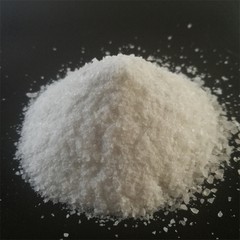
As a supplier of 17% aluminum sulphate powder, one of the most frequently asked questions I encounter is about its shelf - life. Understanding the shelf - life of this product is crucial for both us as suppliers and our customers, as it directly impacts product quality, storage, and usage.
Factors Affecting the Shelf - Life of 17% Aluminum Sulphate Powder
Chemical Stability
17% aluminum sulphate powder, chemically known as Al₂(SO₄)₃, is relatively stable under normal conditions. Aluminum sulphate is an inorganic salt, and its chemical structure is not highly reactive in the absence of specific catalysts or extreme environmental factors. The 17% concentration indicates a specific proportion of aluminum sulphate in the powder, which has been formulated to meet certain industrial or commercial requirements.
However, over time, even stable chemicals can undergo slow chemical changes. For aluminum sulphate, hydrolysis can occur in the presence of moisture. Hydrolysis is a chemical reaction where water molecules break down the salt into its constituent ions and may form various hydrated compounds. In the case of aluminum sulphate, hydrolysis can lead to the formation of aluminum hydroxide and sulfuric acid. This process is more likely to happen if the powder is exposed to high humidity environments.
Storage Conditions
The way 17% aluminum sulphate powder is stored plays a significant role in determining its shelf - life.
Temperature: Aluminum sulphate powder should be stored at a moderate temperature. High temperatures can accelerate chemical reactions, including hydrolysis. If the powder is stored in a hot warehouse or in direct sunlight, the rate of degradation may increase. On the other hand, extremely low temperatures may cause the powder to become more brittle and may also affect its solubility when it comes to use.
Humidity: As mentioned earlier, humidity is a major factor. Moisture in the air can cause the powder to clump together, which not only affects its physical properties but also promotes hydrolysis. It is recommended to store the powder in a dry environment with a relative humidity below 60%. This can be achieved by using proper storage facilities such as sealed containers or warehouses with dehumidifiers.
Contamination: The presence of other substances can also contaminate the aluminum sulphate powder and reduce its shelf - life. For example, if the powder comes into contact with organic materials, metals, or other chemicals, it may react and form new compounds. Therefore, it is important to store the powder away from potential sources of contamination.
Typical Shelf - Life Estimates
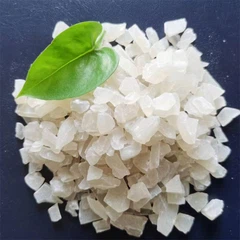
Under ideal storage conditions (moderate temperature, low humidity, and no contamination), 17% aluminum sulphate powder can have a shelf - life of approximately 2 - 3 years. This estimate is based on industry standards and our own experience as a supplier.


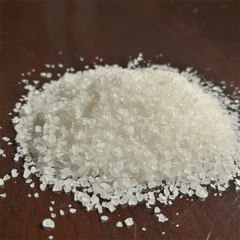
During the first year, the powder retains its original chemical and physical properties to a large extent. It remains free - flowing, and its solubility in water is optimal for most applications. As the powder approaches the end of its second year, there may be slight changes in its solubility and reactivity. Some clumping may occur, but this can usually be resolved by gentle agitation or sieving.
By the third year, more significant changes may be observed. The powder may become more difficult to dissolve, and there may be a slight decrease in its effectiveness in applications such as water treatment or paper manufacturing. However, even after three years, the powder may still be usable in some less - demanding applications, depending on the specific requirements of the customer.
Testing the Quality of Aged Aluminum Sulphate Powder
To determine whether aged 17% aluminum sulphate powder is still suitable for use, several tests can be conducted.
Solubility Test: Dissolve a small amount of the powder in water at a specified temperature and observe how quickly it dissolves. A significant decrease in solubility may indicate that hydrolysis has occurred, and the powder may have degraded.
Chemical Analysis: Use analytical techniques such as titration or spectroscopy to determine the actual concentration of aluminum sulphate in the powder. A decrease in the 17% concentration may suggest that the powder has undergone chemical changes.
Performance Testing: If the powder is intended for a specific application, such as water treatment, conduct a small - scale performance test. Compare the results with those obtained using fresh powder. If there is a significant difference in performance, it may be necessary to replace the aged powder.
Applications and the Impact of Shelf - Life
Water Treatment
In water treatment applications, 17% aluminum sulphate powder is used as a coagulant to remove suspended particles and impurities from water. Fresh powder is more effective in forming flocs, which are large aggregates of particles that can be easily removed from the water. As the powder ages, its ability to form flocs may decrease, leading to less efficient water treatment. This can result in higher levels of suspended solids in the treated water, which may not meet the required quality standards.
Paper Manufacturing
In the paper industry, aluminum sulphate is used as a sizing agent to improve the water resistance and printability of paper. Aged powder may not perform as well as fresh powder, leading to variations in the quality of the paper. For example, the paper may have a lower degree of sizing, which can cause ink to spread and reduce the clarity of printed images.
Our Commitment as a Supplier
As a supplier of 17% aluminum sulphate powder, we are committed to providing our customers with high - quality products. We ensure that our powder is produced under strict quality control measures to maximize its shelf - life. We use advanced packaging materials to protect the powder from moisture and other environmental factors during transportation and storage.
We also provide detailed storage instructions to our customers to help them maintain the quality of the powder. In addition, we offer technical support to assist customers in testing the quality of aged powder and determining whether it is still suitable for use.
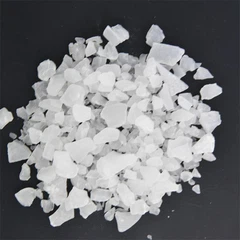
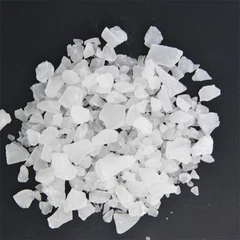
If you are interested in purchasing Aluminium Sulphate 17, Reagent Grade Aluminum Sulphate, or Non Ferric 17% Aluminum Sulphate Flakes, please feel free to contact us for more information. We are ready to discuss your specific requirements and provide you with the best solutions.
References
- "Handbook of Inorganic Chemicals" by Pradyot Patnaik.
- Industry reports on aluminum sulphate production and usage.
- Technical data sheets from leading aluminum sulphate manufacturers.
Send Inquiry