

Can aluminium sulfate be used in water treatment for livestock?
Nov 10, 2025
Leave a message
Can aluminium sulfate be used in water treatment for livestock?
As a supplier of aluminium sulfate water treatment products, I often encounter questions from farmers and livestock owners regarding the use of aluminium sulfate in livestock water treatment. In this blog post, I will explore the viability and implications of using aluminium sulfate for this purpose.
Understanding Aluminium Sulfate in Water Treatment
Aluminium sulfate, also known as alum, is a widely used coagulant in water treatment processes. Its primary function is to remove suspended particles, colloids, and some dissolved organic matter from water. When added to water, aluminium sulfate hydrolyzes to form aluminium hydroxide, which then aggregates with the impurities, causing them to settle out or be more easily filtered.
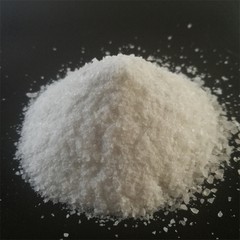
In industrial water treatment, Industrial Aluminum Sulphate is commonly used in large - scale water purification plants to treat municipal water supplies. It has proven effective in improving water clarity, reducing turbidity, and removing certain contaminants.
The Need for Water Treatment in Livestock
Livestock require clean and safe water for optimal health and productivity. Poor - quality water can contain various contaminants such as sediment, bacteria, viruses, and heavy metals. These contaminants can lead to a range of health problems in livestock, including digestive disorders, reduced growth rates, and increased susceptibility to diseases.
For example, water with high levels of sediment can cause blockages in watering systems and may also irritate the digestive tracts of animals. Bacterial and viral contaminants can spread diseases among the livestock population, resulting in significant economic losses for farmers.
Can Aluminium Sulfate Be Used for Livestock Water Treatment?
The short answer is yes, aluminium sulfate can be used in livestock water treatment, but with certain considerations.
Advantages
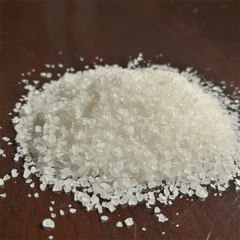
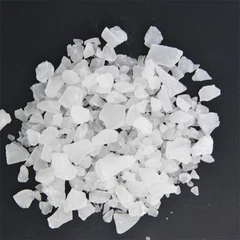
- Particle Removal: Aluminium sulfate is effective in removing suspended particles from water. This can improve water clarity and reduce the amount of sediment that livestock consume. For instance, in water sources with high turbidity, such as those near construction sites or in areas with heavy rainfall, Granular Aluminum Sulfate can be added to the water to coagulate the suspended particles, making them easier to remove through sedimentation or filtration.
- Bacterial Reduction: While aluminium sulfate is not a disinfectant in the traditional sense, it can help reduce the number of bacteria in water. By removing the organic matter that bacteria feed on, aluminium sulfate can create an environment that is less favorable for bacterial growth.
Disadvantages and Considerations
- pH Adjustment: Aluminium sulfate can lower the pH of water. Livestock have specific pH requirements for their drinking water. If the pH drops too low, it can cause digestive problems in animals. Therefore, it is essential to monitor the pH of the water after adding aluminium sulfate and make appropriate adjustments if necessary.
- Aluminium Residues: Excessive use of aluminium sulfate can lead to the presence of aluminium residues in the water. High levels of aluminium can be toxic to livestock, especially in the long - term. It can interfere with the absorption of essential minerals such as calcium, phosphorus, and magnesium, leading to skeletal and metabolic disorders.
- Dosage: Determining the correct dosage of aluminium sulfate is crucial. Too little may not effectively treat the water, while too much can cause the problems mentioned above. The dosage depends on factors such as the initial water quality, the volume of water to be treated, and the type of livestock.
Best Practices for Using Aluminium Sulfate in Livestock Water Treatment
- Water Testing: Before using aluminium sulfate, it is essential to test the water to determine its quality, including parameters such as turbidity, pH, and the presence of contaminants. This will help in determining the appropriate dosage of aluminium sulfate.
- Gradual Addition: Start with a small amount of aluminium sulfate and gradually increase the dosage if necessary. Monitor the water quality and the health of the livestock closely during the process.
- pH Monitoring and Adjustment: Continuously monitor the pH of the water and use appropriate chemicals to adjust it if it falls outside the acceptable range for livestock.
- Combination with Other Treatments: Aluminium sulfate can be used in combination with other water treatment methods, such as filtration and disinfection. For example, after coagulation with aluminium sulfate, the water can be passed through a sand filter to remove the coagulated particles, followed by disinfection with chlorine or other disinfectants to kill any remaining bacteria and viruses.
Types of Aluminium Sulfate for Livestock Water Treatment
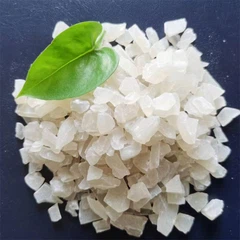
- Granular Aluminum Sulfate: This form is easy to handle and dissolve in water. It is suitable for small - to medium - scale water treatment applications in livestock farms. Granular Aluminum Sulfate can be added directly to the water storage tanks or mixing basins.
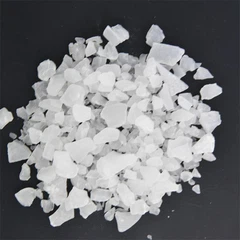
- Aluminum Sulphate Lump: Lumps of aluminium sulfate are often used in larger - scale water treatment operations. They can be placed in a dissolution tank, where water is continuously circulated to dissolve the lumps and create a concentrated solution that can be dosed into the water to be treated. Aluminum Sulphate Lump is a cost - effective option for large livestock farms with high water consumption.
Conclusion
Aluminium sulfate can be a valuable tool in livestock water treatment when used correctly. It offers the potential to improve water quality by removing suspended particles and reducing bacterial growth. However, it is essential to be aware of the potential drawbacks, such as pH changes and aluminium residues, and to follow best practices to ensure the safety and well - being of the livestock.


If you are a livestock owner or farmer interested in using aluminium sulfate for water treatment, I encourage you to reach out for more information. Our team of experts can provide guidance on the appropriate type and dosage of aluminium sulfate for your specific water treatment needs. We are committed to helping you provide clean and safe water for your livestock, ensuring their health and productivity.
References
- AWWA (American Water Works Association). Water Quality and Treatment: A Handbook of Community Water Supplies.
- National Research Council. Nutrient Requirements of Domestic Animals.
- Various scientific studies on water treatment and livestock health available in peer - reviewed journals.
Send Inquiry