

Can aluminium sulfate remove heavy metals during water treatment?
Oct 27, 2025
Leave a message
Hey there! As a supplier of aluminium sulfate for water treatment, I often get asked if aluminium sulfate can remove heavy metals during water treatment. It's a super important question, especially considering the growing concerns about water pollution and the need for clean, safe water. So, let's dive right in and explore this topic.
First off, let's talk a bit about what aluminium sulfate is and how it's used in water treatment. Aluminium sulfate, also known as alum, is a commonly used coagulant in the water treatment industry. When added to water, it forms positively charged aluminium hydroxide flocs. These flocs attract and bind to negatively charged particles in the water, including suspended solids, organic matter, and some heavy metals.
Now, can it actually remove heavy metals? The answer is yes, but it's a bit more complicated than that. Aluminium sulfate can help remove certain heavy metals through a process called coagulation and precipitation. Heavy metal ions in water, such as lead, copper, and cadmium, can react with the aluminium hydroxide flocs formed by aluminium sulfate. The heavy metal ions can either adsorb onto the surface of the flocs or form insoluble compounds with the aluminium hydroxide, which then settle out of the water during the sedimentation process.
For example, lead ions (Pb²⁺) in water can react with the hydroxide ions in the aluminium hydroxide flocs to form lead hydroxide (Pb(OH)₂), which is insoluble and can be removed from the water. Similarly, copper ions (Cu²⁺) can form copper hydroxide (Cu(OH)₂) and cadmium ions (Cd²⁺) can form cadmium hydroxide (Cd(OH)₂). These insoluble compounds can then be separated from the water through sedimentation or filtration.
However, the effectiveness of aluminium sulfate in removing heavy metals depends on several factors. One of the most important factors is the pH of the water. The formation of aluminium hydroxide flocs and the precipitation of heavy metal hydroxides are highly pH - dependent. Generally, the optimal pH range for aluminium sulfate coagulation is between 5.5 and 7.5. If the pH is too low or too high, the formation of the flocs may be incomplete, and the heavy metal removal efficiency will be reduced.
Another factor is the concentration of heavy metals in the water. Aluminium sulfate may not be as effective in removing heavy metals at very high concentrations. In such cases, additional treatment processes, such as ion exchange or activated carbon adsorption, may be required to achieve the desired level of heavy metal removal.
The presence of other substances in the water can also affect the performance of aluminium sulfate. For instance, if there are high levels of dissolved organic matter in the water, it can compete with heavy metal ions for binding sites on the aluminium hydroxide flocs, reducing the heavy metal removal efficiency.
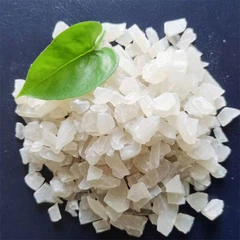
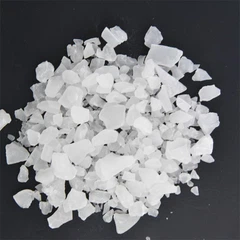
Now, let me tell you a bit about the products we offer. We have Industrial Aluminum Sulphate, which is a high - quality product suitable for a wide range of industrial water treatment applications. It has a consistent composition and high reactivity, making it very effective in forming the necessary flocs for water treatment.
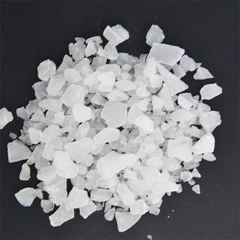
Our Aluminum Sulphate Lump is another great option. It's easy to handle and store, and it dissolves quickly in water, ensuring a rapid start to the coagulation process.
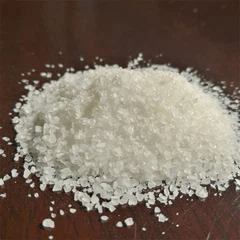
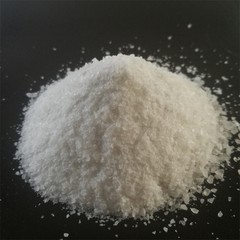
And of course, our Aluminium Sulfate Water Treatment product is specifically formulated for water treatment purposes. It's been tested and proven to be effective in removing a variety of contaminants, including heavy metals, from water.


In some real - world applications, aluminium sulfate has been used successfully to remove heavy metals from water. For example, in small - scale water treatment plants in rural areas, aluminium sulfate has been used to treat water contaminated with low levels of heavy metals. By carefully controlling the dosage and pH of the water, these plants have been able to achieve significant reductions in heavy metal concentrations.
However, it's important to note that aluminium sulfate is not a one - size - fits - all solution for heavy metal removal. In some cases, a combination of treatment methods may be necessary. For example, in industrial wastewater treatment, where the heavy metal concentrations are often much higher, aluminium sulfate may be used as a pre - treatment step followed by more advanced treatment processes like reverse osmosis or electrochemical treatment.
If you're dealing with water that has heavy metal contamination and you're considering using aluminium sulfate for treatment, it's a good idea to conduct some tests first. You can take a sample of your water to a laboratory and have it analyzed to determine the type and concentration of heavy metals present. Then, you can test different dosages of aluminium sulfate at different pH levels to find the optimal conditions for heavy metal removal.
As a supplier, we're here to help you every step of the way. We can provide you with technical support and advice on how to use our aluminium sulfate products effectively for heavy metal removal. Whether you're a small - scale water treatment operator or a large industrial facility, we have the right product for your needs.
If you're interested in purchasing our aluminium sulfate products for water treatment, or if you have any questions about heavy metal removal or water treatment in general, don't hesitate to get in touch. We're always happy to have a chat and discuss how we can help you achieve your water treatment goals.
In conclusion, aluminium sulfate can play an important role in removing heavy metals from water, but its effectiveness depends on various factors. By understanding these factors and using the right product and treatment methods, you can make the most of aluminium sulfate in your water treatment process.
References
- AWWA (American Water Works Association). Water Quality and Treatment: A Handbook of Community Water Supplies.
- USEPA (United States Environmental Protection Agency). Guidelines for Drinking Water Quality.
- Stumm, W., & Morgan, J. J. Aquatic Chemistry: Chemical Equilibria and Rates in Natural Waters.
Send Inquiry